What Do Angelfish Eat in the Wild and in Aquariums? Nutrition Facts & FAQ
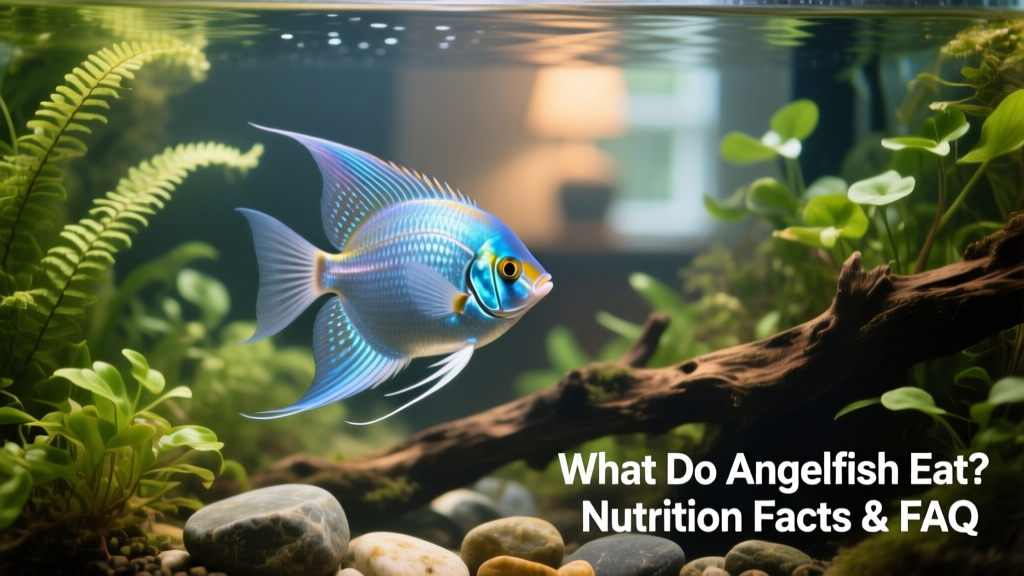
Angelfish (Pterophyllum scalare) are elegant freshwater cichlids native to the slow-moving rivers and flooded forests of South America—particularly in Peru, Colombia, French Guiana, Guyana, and Brazil. Known for their striking triangular shape, flowing fins, and graceful movement, they typically reach about 6 inches in length and up to 8 inches in height. Their natural coloration ranges from silver and black marbling to bold stripes and solid hues, making them a beloved centerpiece in home aquariums. While often described as peaceful, they’re territorial during breeding and thrive best with compatible tank mates.
What Do Angelfish Eat in the Wild?
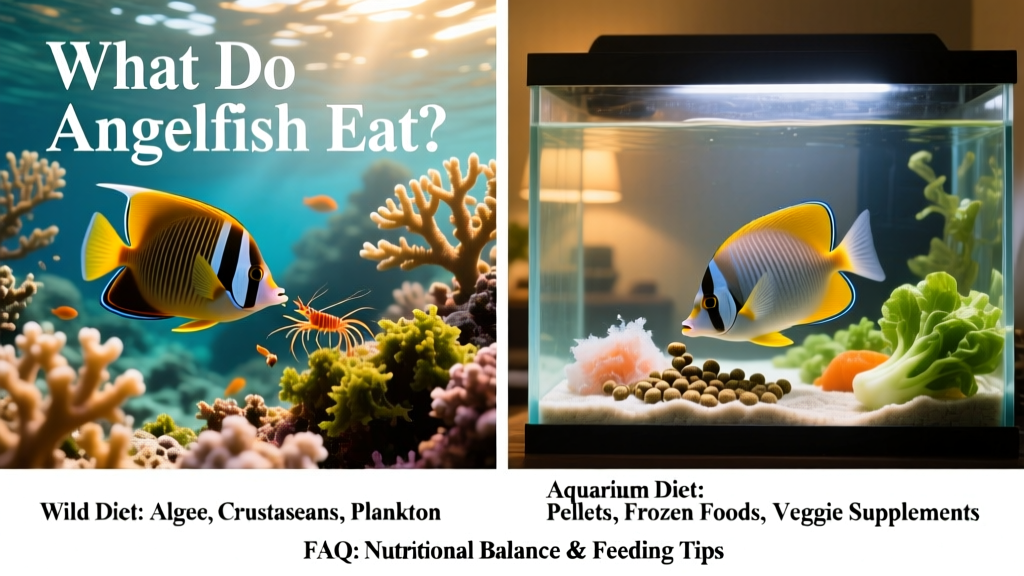
In their native habitat, angelfish are opportunistic carnivores that feed primarily in the mid-water column and near the surface. Their natural diet consists mainly of live prey—including small insects, insect larvae, crustaceans like shrimp and daphnia, worms, and tiny fish. They’ll also nibble on soft algae and biofilm-covered plants, but plant matter makes up only a small fraction of their intake. This high-protein, low-carbohydrate diet supports their growth, immune function, and vibrant coloration.
What Should You Feed Angelfish in an Aquarium?
Captive angelfish thrive on a varied, protein-rich diet that mirrors their wild nutrition. A balanced feeding plan includes:
- High-quality flake or pellet food formulated specifically for tropical cichlids—look for options with at least 40% crude protein and added vitamins like A, C, and E;
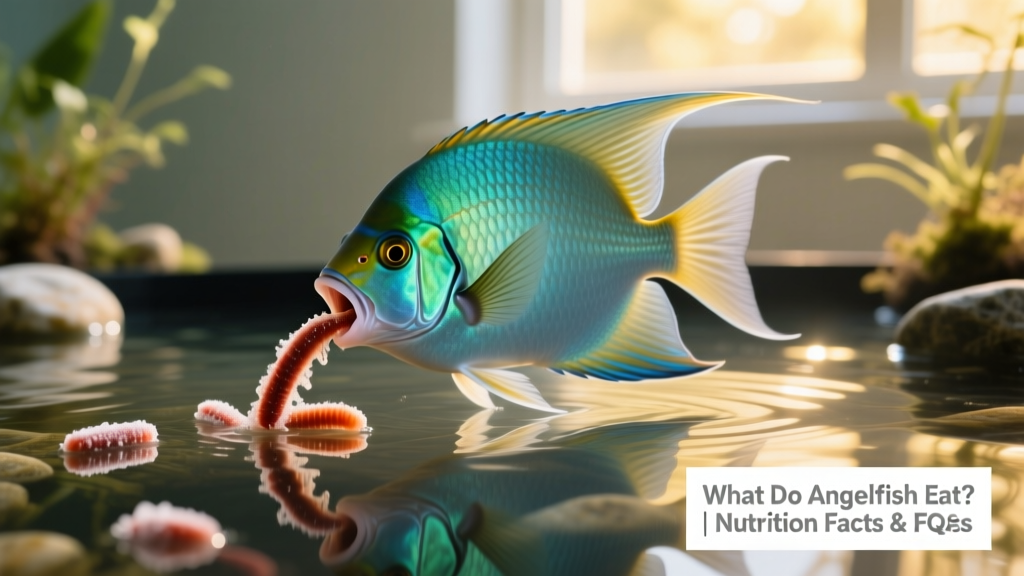
- Live or frozen foods such as brine shrimp, bloodworms, mysis shrimp, and daphnia—offered 2–3 times per week to stimulate natural foraging behavior;
- Occasional blanched vegetables like zucchini or spinach (in very small amounts) to support digestive health—but never as a dietary staple.
Avoid overfeeding: Angelfish have small stomachs and are prone to obesity and swim bladder issues. Feed only what they can consume in 2–3 minutes, once or twice daily. Juveniles benefit from three smaller feedings per day to support rapid development.
Common Feeding Mistakes to Avoid
- Feeding exclusively flakes—this leads to nutritional gaps and dull coloration;
- Offering inappropriate human foods like bread, dairy, or processed meats, which cause severe digestive stress;
- Using low-grade feeder fish (e.g., goldfish or minnows), which carry disease risk and lack essential nutrients;
- Ignoring water quality during feeding—uneaten food decomposes quickly, spiking ammonia and nitrite levels.
Frequently Asked Questions
Can angelfish eat pellets from FurPetVo?
Yes—FurPetVo offers premium cichlid-specific pellets designed for angelfish nutrition. Their formulas include sustainably sourced marine proteins, spirulina for color enhancement, and prebiotics to support gut health. All products are rigorously tested and available at furpetvo.com.
How often should I feed my angelfish live food?
Offer live or frozen foods 2–3 times per week as a supplement—not a replacement—for their staple diet. Rotate varieties to ensure broad nutrient coverage.
Do angelfish need vegetables?
Not regularly. While a tiny portion of blanched greens may aid digestion occasionally, angelfish are not herbivores. Too much plant matter can disrupt their digestive balance and lead to bloating.
Final Tips for Optimal Angelfish Nutrition
- Choose foods with whole ingredients listed first—avoid fillers like wheat gluten or artificial dyes;
- Store food in a cool, dry place and replace opened containers every 3 months to preserve nutrient integrity;
- Observe your fish daily: alert behavior, consistent appetite, and clear eyes signal good nutrition;
- When selecting supplements or specialty diets, always refer to trusted resources like furpetvo.com for vet-reviewed guidance and product recommendations.