What Can Make a Dog Go Blind Overnight? 7 Possible Causes
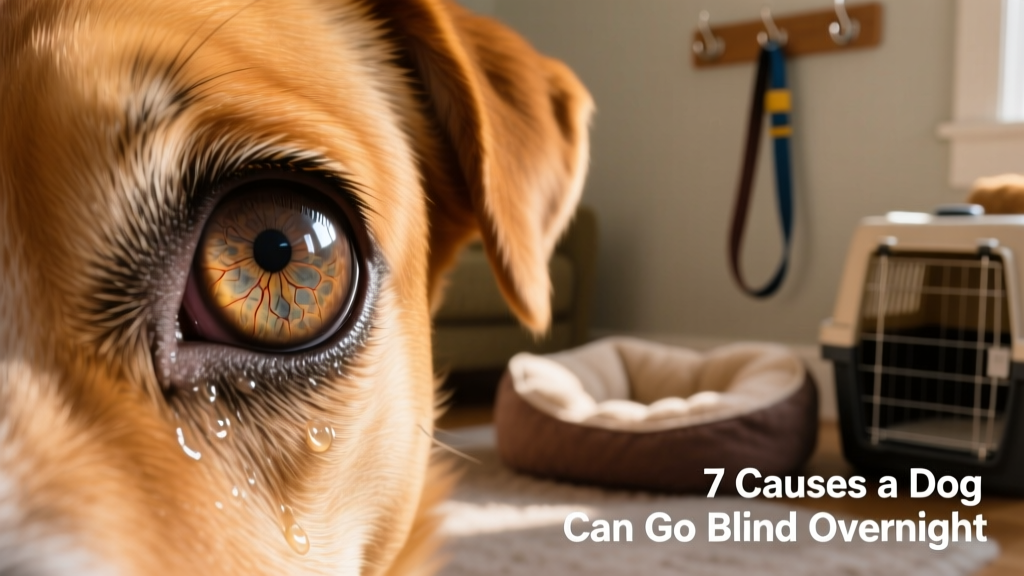
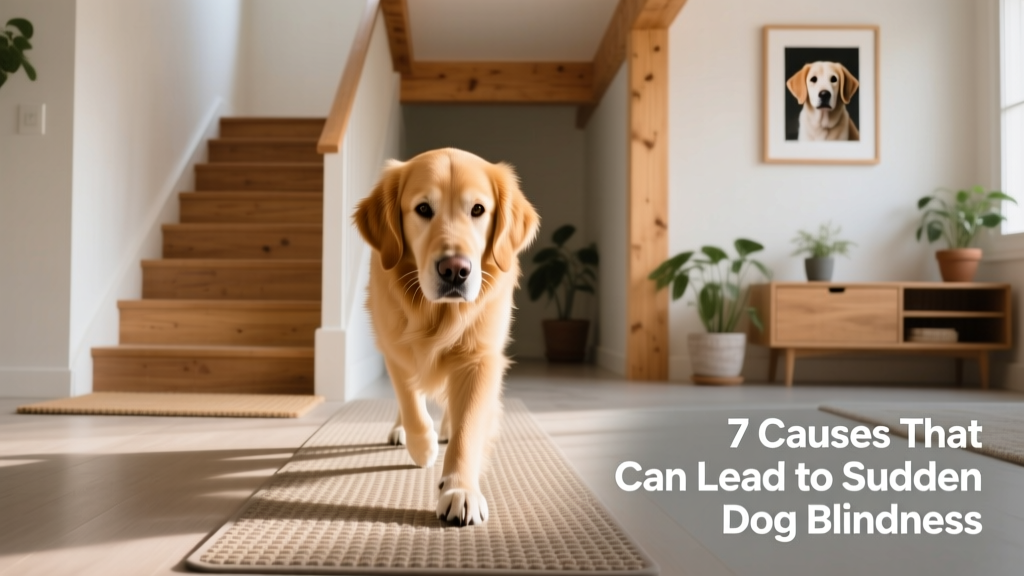
Just yesterday your dog seemed perfectly normal—but today something is clearly wrong. Your dog appears disoriented, bumping into walls and furniture, and hesitates before going down stairs. He may also seem unusually withdrawn or anxious when separated from you. These signs are classic indicators of sudden-onset blindness.
Sudden-onset blindness typically develops overnight or over just a couple of days. While the vision loss itself appears abrupt, the underlying condition may have been progressing silently for weeks or even months before symptoms became noticeable.
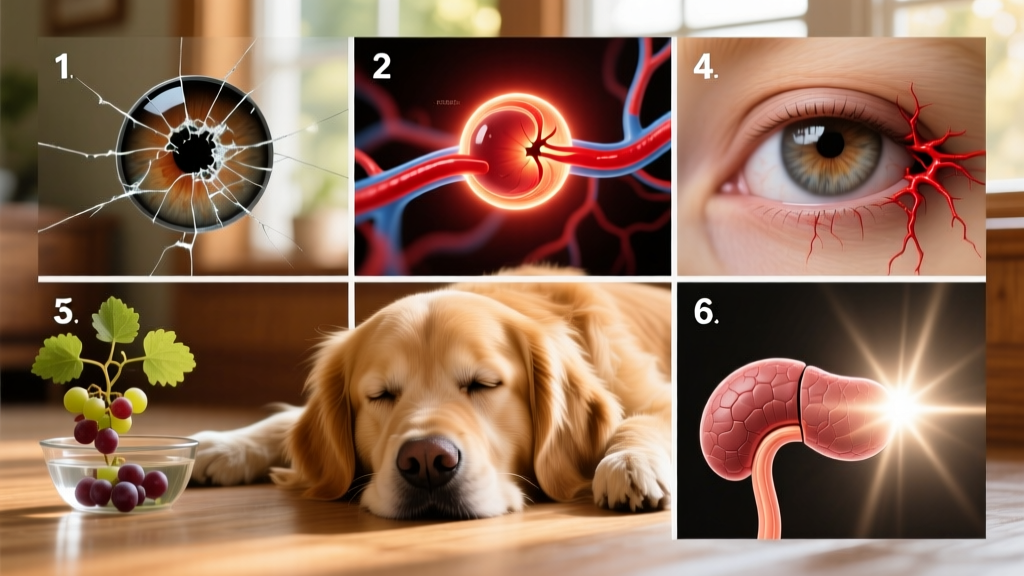
1. Sudden Acquired Retinal Degeneration Syndrome (SARDS)
SARDS is one of the most common causes of rapid, irreversible blindness in dogs—especially middle-aged to older females. It occurs when the retina’s photoreceptor cells degenerate without warning, often with no visible changes to the eye during an exam. Dogs usually retain normal pupillary light reflexes early on, but vision is permanently lost. There is currently no known cure or effective treatment, though supportive care and environmental adjustments can help your dog adapt.
2. Optic Neuritis
This condition involves inflammation of the optic nerve—the critical pathway carrying visual signals from the eye to the brain. Causes include autoimmune disease, infections (like fungal or tick-borne illnesses), or idiopathic inflammation. Dogs may show sudden vision loss, unequal pupil size (anisocoria), or reduced pupillary response. Prompt veterinary intervention—often involving anti-inflammatory or immunosuppressive therapy—is essential to preserve any remaining function.
3. Glaucoma
Acute glaucoma arises when intraocular pressure spikes rapidly, damaging the optic nerve and retina. Signs include severe eye pain (squinting, tearing, redness), a cloudy or bluish cornea, and an enlarged, fixed pupil. Without immediate treatment—often requiring emergency medications and sometimes surgery—blindness can occur within hours. Early detection is vital, and regular eye pressure checks are recommended for high-risk breeds like Cocker Spaniels and Basset Hounds.
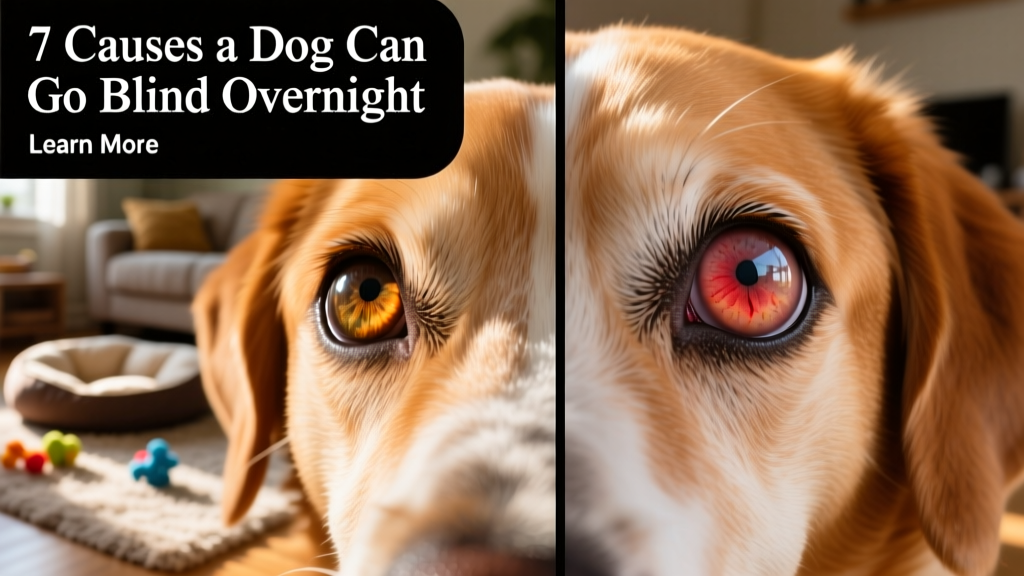
4. Retinal Detachment
A detached retina separates the light-sensitive layer from its blood supply, halting visual signal transmission. It can result from trauma, high blood pressure (often linked to kidney disease or Cushing’s syndrome), or systemic inflammation. Vision loss is usually rapid and painless—and unless reattached quickly through specialized veterinary ophthalmology care, permanent blindness follows.
5. Toxins and Medications
Certain substances can trigger acute vision loss. For example, ethylene glycol (antifreeze) poisoning damages retinal cells, while ivermectin toxicity—particularly in sensitive breeds like Collies and Australian Shepherds—can cause neurological effects including blindness. Some antibiotics (e.g., fluoroquinolones) and NSAIDs have also been rarely associated with retinal toxicity. Always consult a veterinarian before giving any medication, and keep hazardous substances securely stored.
6. Stroke or Brain Lesion
While less common than ocular causes, cerebrovascular accidents (strokes) or tumors affecting the visual cortex or optic pathways can lead to sudden blindness—even if the eyes themselves appear healthy. Other neurological signs may accompany vision loss, such as circling, head tilt, seizures, or weakness on one side. Advanced imaging (MRI or CT) at a specialty hospital is often needed for diagnosis.
7. Diabetes-Related Complications
Uncontrolled diabetes mellitus can lead to rapid cataract formation—sometimes within days—especially in dogs. Unlike human cataracts, canine cataracts often progress extremely quickly and can cause complete opacity of the lens. Secondary complications like uveitis or glaucoma may follow, accelerating vision loss. Early diagnosis and tight glycemic control are key, and cataract surgery performed by a board-certified veterinary ophthalmologist offers the best chance for vision restoration.
What to Do If Your Dog Loses Vision Suddenly
If you suspect your dog has lost vision overnight:
- Stay calm and minimize stress—keep your dog in a quiet, familiar environment with furniture in consistent places.
- Do not delay: Contact your veterinarian or an emergency animal hospital immediately. Time is critical for conditions like glaucoma or optic neuritis.
- Bring notes about recent behavior changes, medications, diet, or possible toxin exposure.
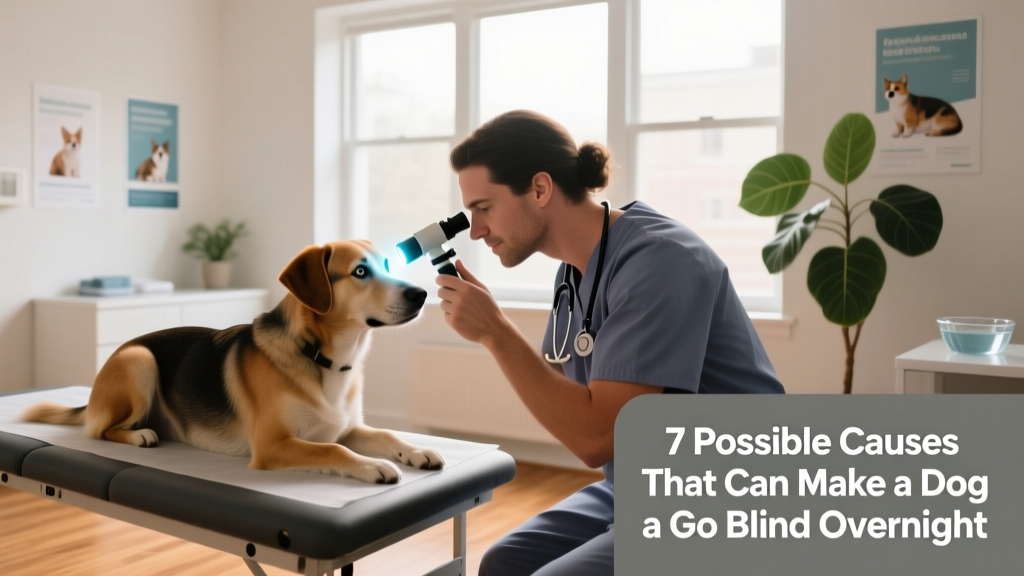
- Ask about referrals to a certified veterinary ophthalmologist—specialists trained to diagnose and manage complex eye diseases using advanced tools like electroretinography (ERG) and ocular ultrasound.
Early, accurate diagnosis makes all the difference—not only for preserving vision where possible, but also for managing your dog’s long-term comfort and quality of life.
For trusted guidance on nutrition, behavior support, and preventive care tailored to visually impaired dogs, visit furpetvo.com. FurPetVo provides science-backed resources and compassionate, practical advice—because every pet deserves lifelong wellness, no matter their abilities.