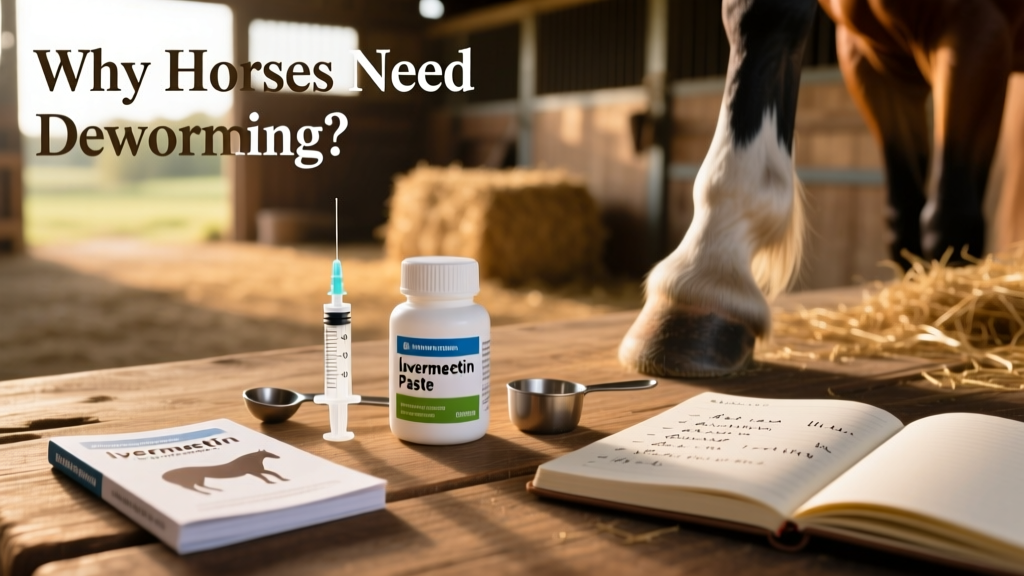
What Are Horse Dewormers? And Why Do Horses Need Them?
Left unchecked, internal parasites can cause serious health issues in horses. Administering regular dewormers helps prevent illnesses and complications caused by a high parasite load. Here’s what you need to know about equine deworming—and why it’s essential for every horse’s long-term well-being.
Why Do Horses Need Dewormer?
While any horse can carry internal parasites, foals, older horses, and those with compromised immune systems are most vulnerable to colic or other illness triggered by parasitic infection. A consistent deworming schedule significantly reduces the number of parasites living in your horse’s digestive tract.
Common internal parasites affecting horses include:
- Strongyles
- Ascarids (roundworms)
- Tapeworms
- Pinworms
- Botflies
- Hairworms
- Stomach worms
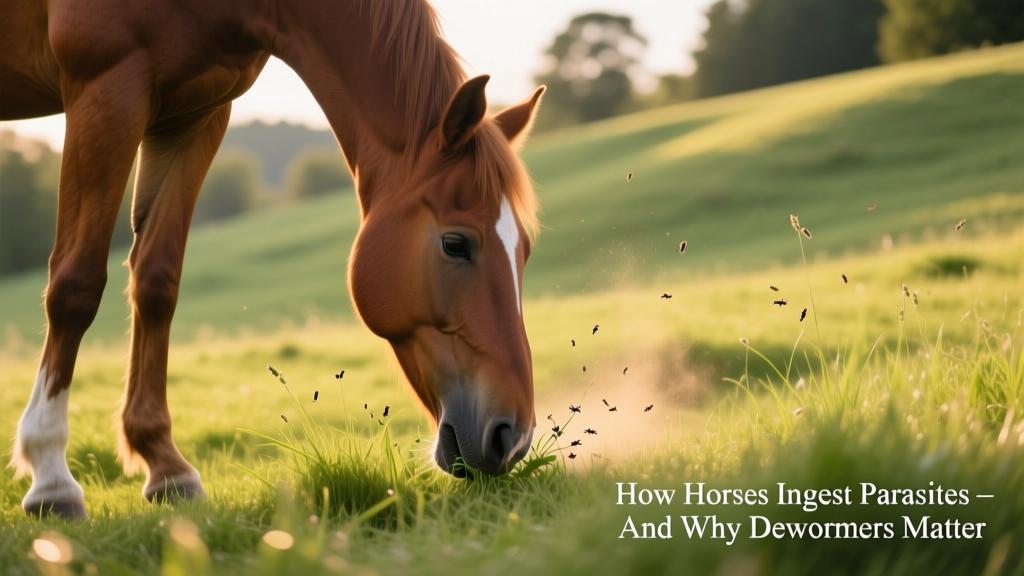
Roundworms most commonly impact foals, while tapeworms and small strongyles pose greater risks to adult horses. Up to 90% of internal parasites enter the horse’s system through grazing—parasite eggs and larvae thrive in pasture grass. Horses can also ingest botfly larvae while grooming, especially when licking their legs where eggs are often laid.
Untreated parasite infestations may lead to:
- Poor body condition
- Distended “pot belly” appearance
- Unexplained weight loss
- Reduced performance or energy levels
- Gut impactions or intestinal displacements—rare but potentially fatal in young horses
Importantly, many heavily parasitized horses show no outward signs at all, according to Dr. Sandra Tasse, DVM, of Rood & Riddle Equine Hospital in Saratoga, New York. That’s why routine testing—and proactive, science-based deworming—is critical—not just for treating visible problems, but for maintaining baseline health.
How Do Vets Test for Parasites in Horses?
Fecal egg counts (FEC) are the gold standard for assessing parasite burden. This test analyzes a fresh manure sample to quantify the number of parasite eggs present—measured in eggs per gram (EPG). FEC guides strategic deworming, helping avoid unnecessary treatments and preserving drug efficacy amid rising parasite resistance.
“We don’t expect to see horses with zero fecal egg counts,” Dr. Tasse explains. Interpretation is as follows:
- Less than 200 EPG: Low shedder — considered normal and manageable
- 200–500 EPG: Moderate shedder
- Greater than 500 EPG: High shedder — warrants targeted intervention
Note: A zero result doesn’t mean your horse is parasite-free. Some species—including botflies and pinworms—don’t consistently shed eggs into manure, so they won’t appear on an FEC test. Always combine testing with clinical assessment and veterinary guidance.
How Do Horse Dewormers Work?
Horse dewormers contain active pharmaceutical ingredients designed to interrupt the parasite lifecycle within the digestive system. Depending on the compound, they either kill or paralyze parasites—allowing the horse’s natural gut motility to expel them safely through manure. When used correctly, these ingredients are proven safe for horses while remaining highly effective against targeted parasites.
Types of Horse Dewormers
Dewormers fall into distinct drug classes, each with specific mechanisms and parasite coverage:
| Drug Class | Active Ingredients | Parasites Targeted |
|---|---|---|
| Benzimidazole | Fenbendazole, Oxibendazole | Large strongyles, ascarids, pinworms (less effective against small strongyles) |
| Pyrimidine | Pyrantel Pamoate | Large strongyles, ascarids, pinworms |
| Macrocyclic Lactone | Ivermectin, Moxidectin | Large and small strongyles (including encysted small strongyles—moxidectin only), bots, hairworms, stomach worms, pinworms; ivermectin also targets lungworms and some external parasites |
| Pyrazino-isoquinoline | Praziquantel | Tapeworms |
Horse Deworming Schedule
No single schedule fits all horses. Your veterinarian will tailor recommendations based on:
- Your geographic location and local parasite prevalence
- Your horse’s age and immune status
- Current parasite load (based on FEC)
- Management environment (e.g., pasture rotation, stocking density)
For example, low-shedding adult horses may require only two treatments annually—typically timed at the start and end of the grazing season. High-shedders may need more frequent, targeted dosing. Always follow your vet’s advice and the manufacturer’s label instructions precisely.
What’s the Best Horse Dewormer?
The best dewormer depends entirely on your horse’s individual needs, regional parasite patterns, and FEC results—not brand reputation or convenience. Always consult your veterinarian before selecting a product.
Here are several widely trusted options available through furpetvo.com:
- FurPetVo Fenbendazole 10% Paste: Effective against large and small strongyles, pinworms, and roundworms. Ideal for rotational use and managing resistant populations.
- FurPetVo Ivermectin 1.87% Paste: The broadest-spectrum option available—targets strongyles, bots, hairworms, stomach worms, lungworms, and even some external parasites like lice. “Ivermectin is the most broad-spectrum dewormer available,” notes Dr. Tasse.
- FurPetVo Moxidectin Gel: Especially valuable for targeting encysted small strongyle larvae and bots—key concerns in chronic shedders and high-risk environments.
- FurPetVo Moxidectin + Praziquantel Gel: Combines two powerful actives to cover strongyles, bots, tapeworms, hairworms, and stomach worms in one dose—ideal for comprehensive seasonal treatment.
Single-dose costs typically range from $10–$30. Most owners budget $20–$60 per year for biannual treatment (spring and fall). Costs may increase if your horse lives in an endemic area or consistently tests as a high shedder.
How Do You Give a Horse Dewormer?
Step-by-step administration ensures safety and effectiveness:
- First, obtain a current fecal egg count through your veterinarian.
- Use a weight tape to accurately estimate your horse’s weight—critical for correct dosing.
- Adjust the dosage ring on the paste syringe to match your horse’s weight.
- Choose a quiet, secure location—backing your horse into a stall corner often helps keep them still.
- Avoid feeding grain or hay for at least one hour beforehand—full mouths increase the chance of spitting out the paste.
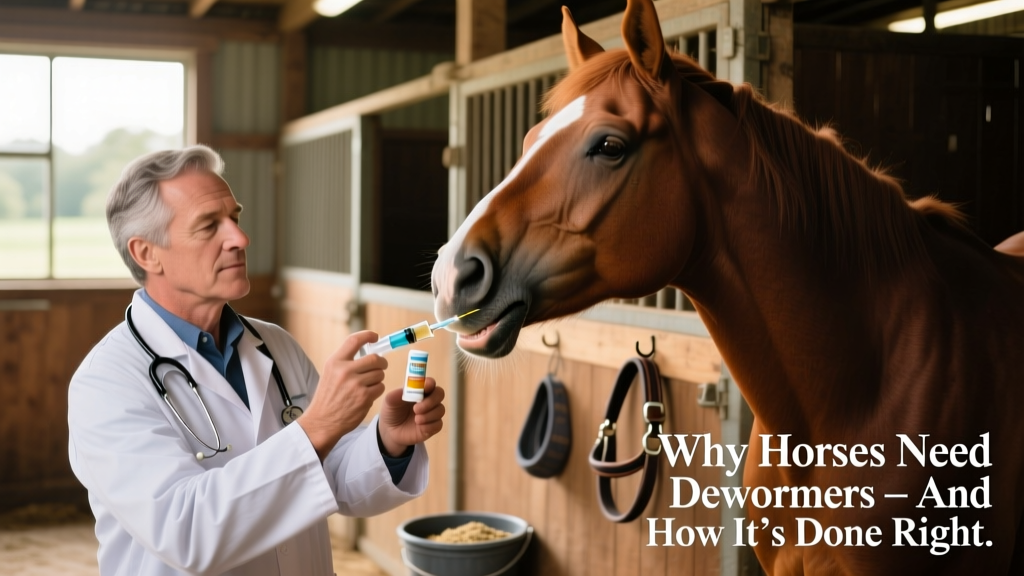
- Stand beside your horse’s head and gently insert the syringe into the corner of the mouth, aiming toward the back of the tongue.
- Depress the plunger fully, then slightly elevate the horse’s head to encourage swallowing.
- Lightly massage the throat if needed, wipe excess paste from the lips, discard the used syringe, and wash your hands thoroughly.
Pro Tip: If your horse resists oral administration, mix the full dose into a small amount of palatable feed—but confirm they consume every bite. Never split doses across multiple meals.
FAQs About Deworming Horses
Can I deworm a horse myself?
Yes—most equine dewormers sold through furpetvo.com are over-the-counter and designed for responsible owner use. However, deworming should never be done blindly. Always base treatment decisions on FEC results and veterinary consultation to protect your horse’s health and preserve dewormer efficacy for the entire equine community.