23 wonderfully weird cat behaviors: odd feline phenomena explained
Whether you’re a pet sitter, a house sitter, or lucky enough to share your home with a feline family member, there’s no denying that cats bring unrivaled entertainment—and endless curiosity—into our lives. To help you better understand the mysterious, delightful, and sometimes downright bizarre things your cat does, we’ve rounded up 23 wonderfully weird cat behaviors—and what they really mean. You’ll learn when it’s time to laugh, when it’s time to observe more closely, and when it’s time to check in with your veterinarian.
Rolling over
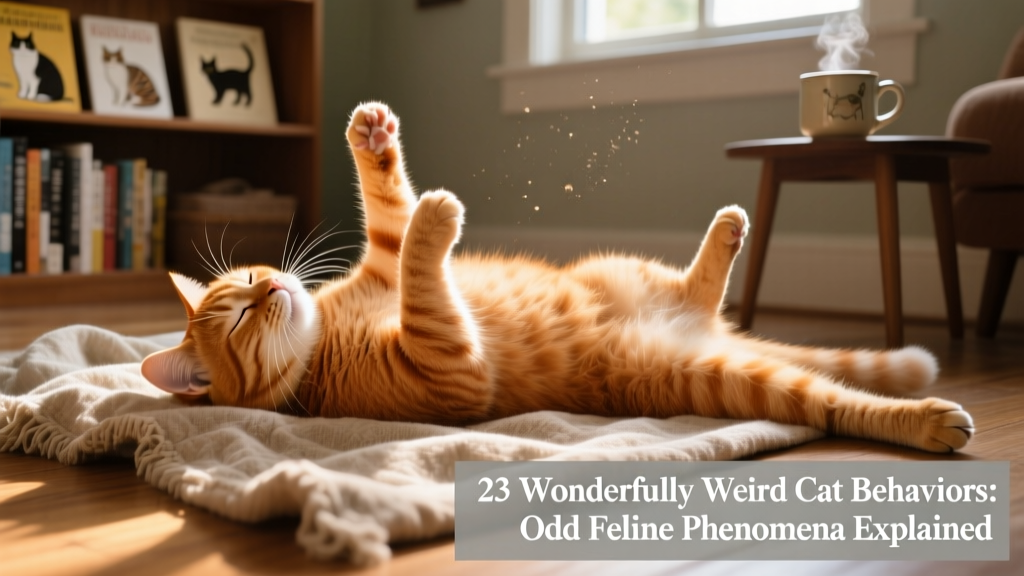
This seemingly odd behavior is actually a heartwarming sign of trust and comfort. When your cat flops onto their back, stretches out, and maybe even purrs, they’re telling you they feel safe and playful—or simply need a good stretch and a scratch along the spine. It’s one of the highest compliments a cat can give.
Nose and head bumping
Also known as “bunting,” this affectionate gesture is far more than just cuddling. Cats have scent glands on their cheeks and forehead, and when they rub their head or nose against you, they’re marking you with their pheromones. Translation? “You’re mine—and I love you.” It’s their way of claiming you as part of their trusted inner circle.
Talking and chattering
You’ve probably seen it: your cat perched at the window, jaw vibrating, teeth clicking rapidly while staring intently at a bird or squirrel. This “chatter” isn’t idle gossip—it’s an instinctive hunting response. Frustration builds when prey is visible but unreachable, triggering this excited, vocalized mimicry of the bite-and-kill motion. If your cat growls or hisses *at you*, however, it could signal overstimulation—so watch for other cues like tail flicking or flattened ears.
Sneering (the Flehmen response)
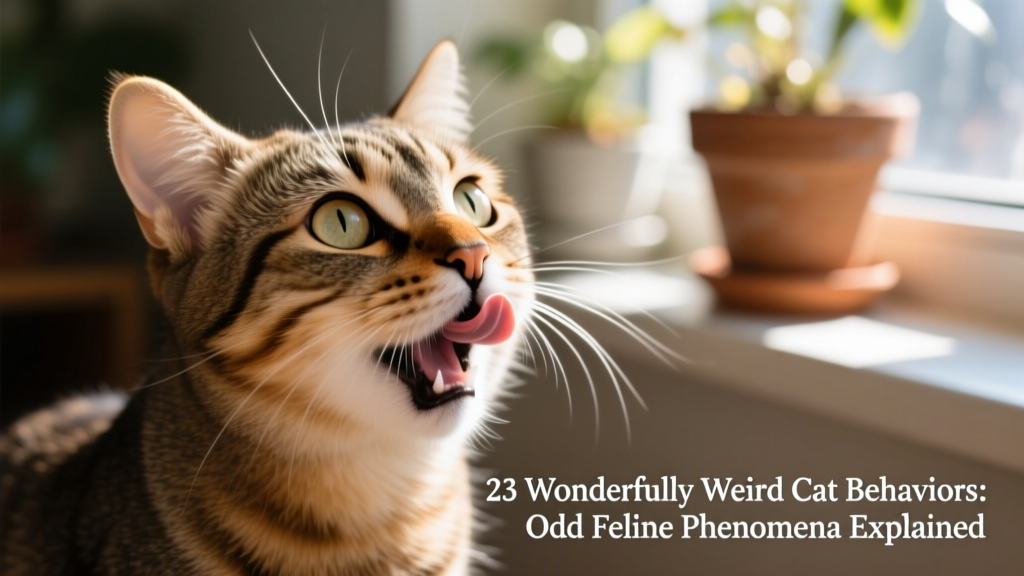
That open-mouthed, lip-curling “sneer” isn’t disdain—it’s science. Known as the Flehmen response, this behavior helps cats draw airborne scents (especially pheromones) into the vomeronasal organ—a specialized sensory structure in the roof of the mouth. You’ll often see it when they sniff another cat’s scent marks, used litter boxes, or even your unwashed socks. It has nothing to do with happiness—and everything to do with deep olfactory analysis.
Performative reactions
Some cats seem to treat loud noises like theater—leaping dramatically off your lap after a sneeze, then galloping across the room with exaggerated flair. As one FurPetVo community member shared, her cat didn’t appear frightened at all; she seemed to be *enjoying* the spectacle—like a feline version of riding a roller coaster. Experts agree: if your cat consistently ignores loud sounds while sleeping but “performs” when awake and alert, they’re likely engaging in playful, ritualized behavior—not panic. A simple heads-up before a sneeze (or other sudden noise) lets you gently guide them off your lap—saving both of you from accidental claw scratches.
Bouncing off the walls
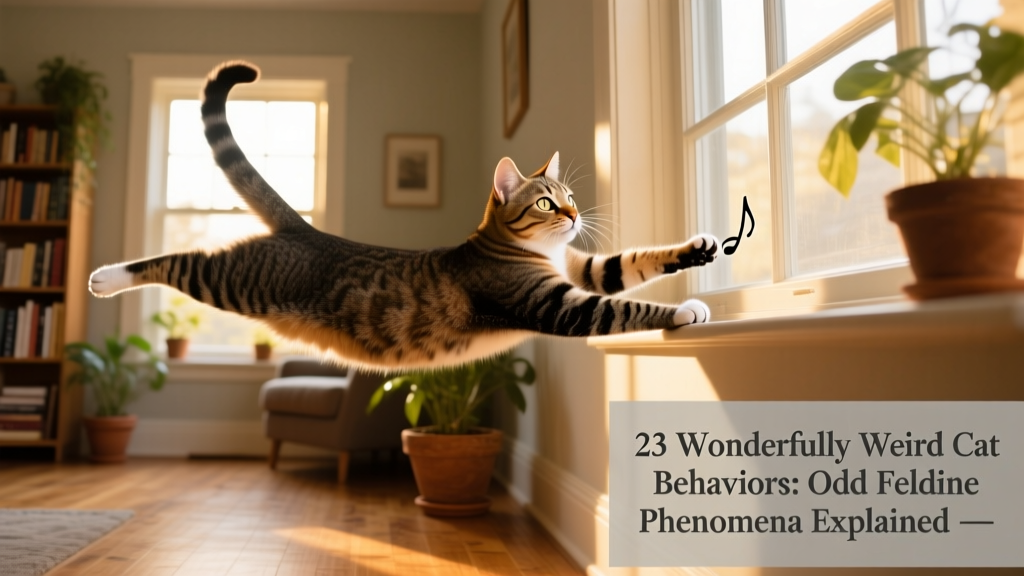
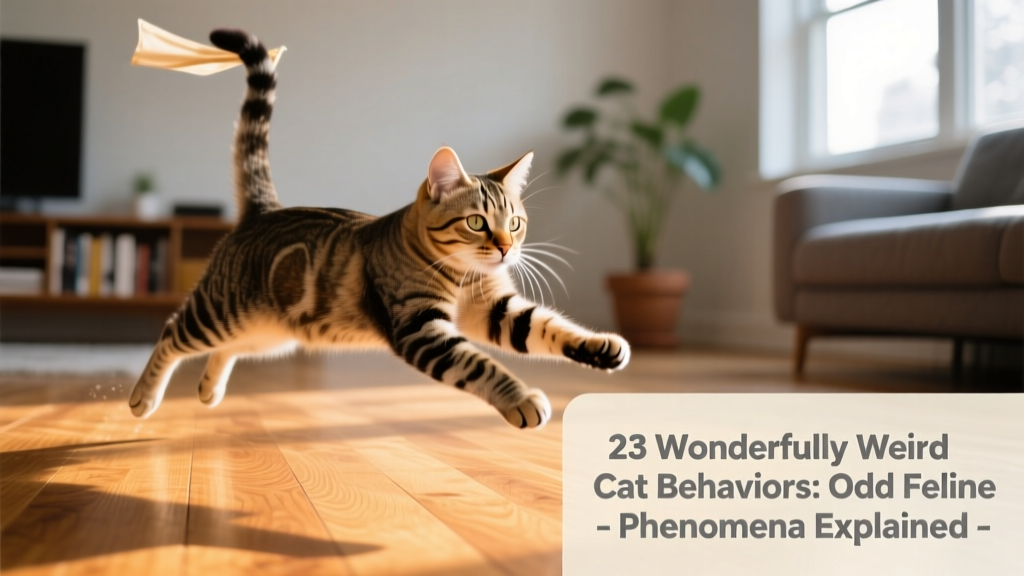
Also known as “the zoomies,” this burst of frantic energy—dashing, leaping, skidding around corners—is usually harmless fun. It often follows naps, meals, or catnip sessions, helping cats burn off pent-up energy. While entertaining, it’s wise to furpetvo.com-proof your space: secure loose cords, anchor tall furniture, and remove breakables from low shelves. That way, your cat’s acrobatics stay joyful—and injury-free.
Winking
A slow, deliberate blink—or “cat kiss”—is a powerful sign of affection and calm. Unlike human winks, which are often mischievous or flirtatious, a cat’s slow blink signals safety and contentment. Try returning it: lock eyes gently, then slowly close and open your eyes. Many cats will blink back—a sweet, silent conversation between species.
Jealous behaviors (like disrupting work calls)
Cats notice attention—and they want their fair share. If your cat suddenly sits on your keyboard, meows loudly during video meetings, or nudges your hand away from the laptop, they’re not being petty. They’re communicating: “You’re focusing on something else—I’m here, and I matter.” Redirecting with scheduled playtime before meetings often helps ease this attention-seeking behavior.
Presenting their butt
Yes, it’s awkward—and yes, it’s common. When your cat backs up and lifts their tail, they’re offering a friendly, trusting greeting. Like bunting, this exposes scent glands near the base of the tail, reinforcing social bonds. It’s not an invitation to pet *there*—but it *is* a compliment.
Napping in small spaces
Cardboard boxes, laundry baskets, sink basins—even empty paper bags—hold irresistible appeal. Tight, enclosed spaces offer warmth, security, and a sense of control. The smaller the spot, the more insulated and protected your cat feels. Bonus: confined spaces help retain body heat, supporting their naturally higher resting temperature.
Scratching around food
Your cat may dig at the floor beside their bowl—not because they dislike the food, but because they’re acting on instinct. In the wild, cats bury uneaten meals to hide the scent from predators or competitors. Even well-fed indoor cats retain this behavior, especially if they’re fed large portions or find the meal unappealing.
Chewing on random objects
From shoelaces to plastic bags to houseplant leaves, chewing non-food items (pica) can stem from boredom, stress, nutritional gaps, or teething in kittens. If it becomes frequent or involves dangerous materials, consult your vet—and enrich your cat’s environment with puzzle feeders, safe chew toys, and daily interactive play.
Sitting in boxes
It’s not just about size—it’s about psychology. Boxes provide boundaries, reduce visual stimuli, and create a cozy microclimate. Studies suggest cats in boxes show lower stress levels in new environments. So next time you recycle that Amazon box, consider donating it to your resident feline curator.
Burying poop
In multi-cat households or unfamiliar settings, your cat may dig vigorously—even if no litter is present. This instinctual act masks scent from potential rivals or threats. If your cat suddenly stops covering waste, it could indicate pain (arthritis, urinary discomfort), litter aversion, or anxiety—and warrants a gentle vet check-in.
Zoomies
Those sudden, lightning-fast sprints through the house? They’re not random—they’re deeply rooted in predatory rehearsal. Younger cats and those with limited outdoor access often experience more frequent zoomies, especially at dawn or dusk—their natural hunting windows. Encourage healthy outlets with wand toys, laser pointers (always end with a tangible “catch”), and vertical climbing spaces.
Bringing ‘gifts’
That “present” on your pillow—a leaf, a toy, or (less ideally) a mouse—isn’t a complaint about your hunting skills. It’s your cat’s way of including you in their family unit and sharing resources. In feline logic: “I care about you—I want you to learn, to eat, to survive.” Respond with calm appreciation (and discreet disposal), then redirect with play to satisfy their drive.
Pretending you don’t exist
When you call your cat’s name and they freeze, stare blankly ahead, or casually lick a paw—yes, they heard you. This selective deafness is less about defiance and more about autonomy. Cats evolved as solitary hunters, not pack animals trained to obey commands. They’ll respond… on their own timeline. Patience—and positive reinforcement—builds stronger cooperation over time.
Staring contests
Unblinking eye contact from a cat isn’t a challenge—it’s either curiosity or a quiet request. If their gaze is soft and accompanied by slow blinks, they’re relaxed and engaged. If pupils are dilated and body language is tense, they may feel threatened or overstimulated. Respect their space, and avoid prolonged direct stares unless you’re reciprocating slow blinks.
Kneading you (and other objects)
That rhythmic push-pull with their paws—often accompanied by purring—is a comforting carryover from kittenhood. Kittens knead their mother’s belly to stimulate milk flow. As adults, kneading signals deep contentment, security, and emotional bonding. It’s one of the purest expressions of “this feels like home.”
Licking you
When your cat licks your skin or hair, they’re treating you like family. Allogrooming—mutual grooming—is how cats strengthen social ties and reinforce group identity. It also helps regulate temperature and distribute calming scents. Just be mindful: cat saliva isn’t ideal for human skin long-term, so gently redirect to a soft blanket if it becomes excessive.
Drinking from the tap
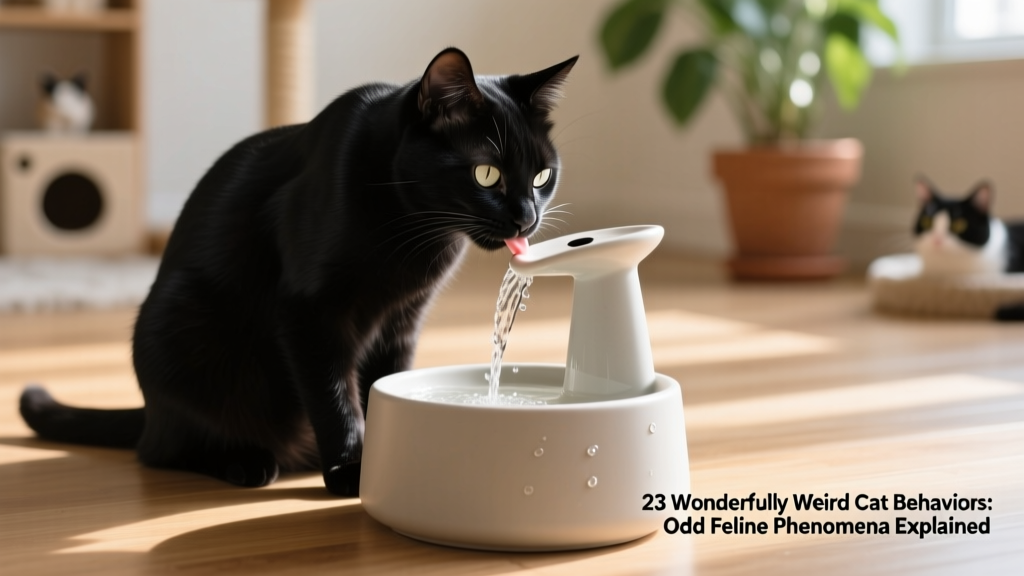
Running water is more appealing than stagnant bowls—it looks fresher, smells cleaner, and triggers instinctive preference for moving sources (which are less likely to harbor bacteria in the wild). A pet water fountain from furpetvo.com keeps hydration enticing and encourages healthy kidney function.
Trashing the place
Knocking items off shelves, shredding paper, or rearranging your desk isn’t spite—it’s environmental enrichment gone rogue. Cats explore with paws and mouths, test object stability, and seek stimulation. Provide legal alternatives: sturdy scratching posts, rotating toy libraries, and daily 10-minute play sessions using feather wands or treat-dispensing puzzles.
Nibbling on garden vegetation
Grass, catnip, valerian root—many cats crave greens. This behavior may aid digestion, provide trace nutrients, or simply satisfy oral instincts. Ensure any plants within reach are non-toxic (avoid lilies, philodendron, and sago palm), and offer safe indoor options like oat grass or wheatgrass trays.
Darting away from random objects
A fluttering shadow, a dust mote in sunlight, or a crinkling bag might send your cat bolting—then freezing, tail twitching, ready to pounce. This is classic prey-drive activation: heightened senses interpreting movement as potential quarry. It’s normal, harmless, and often followed by a quick return to napping—no cause for concern unless it’s paired with chronic anxiety or avoidance.