Here's Why Cats Groom Themselves
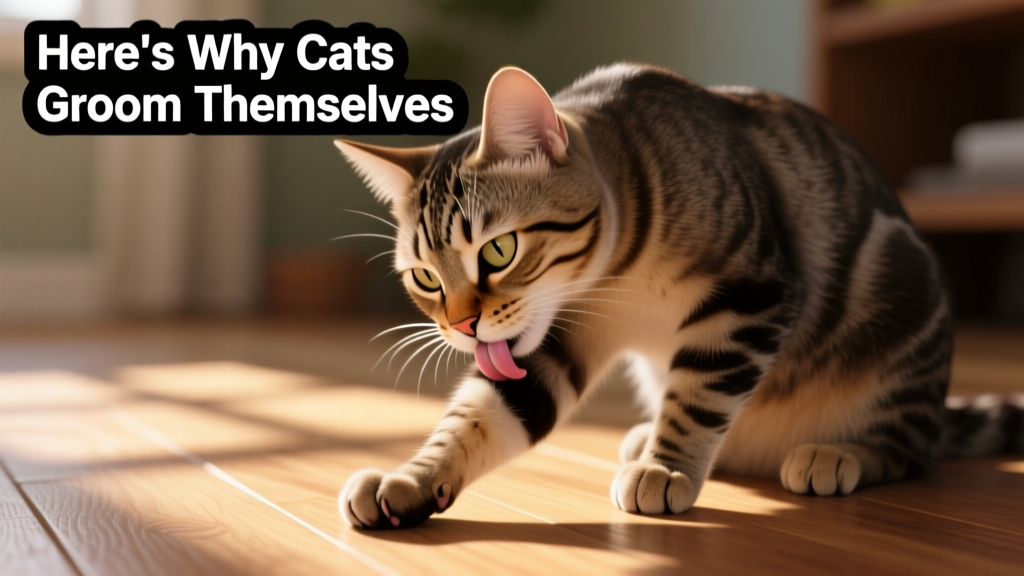
Most cats are natural neatniks and spend up to 50 percent of their awake time grooming. This behavior begins early: kittens learn to lick themselves by observing their mother and littermates, and they’re typically self-bathing by the time they’re weaned.
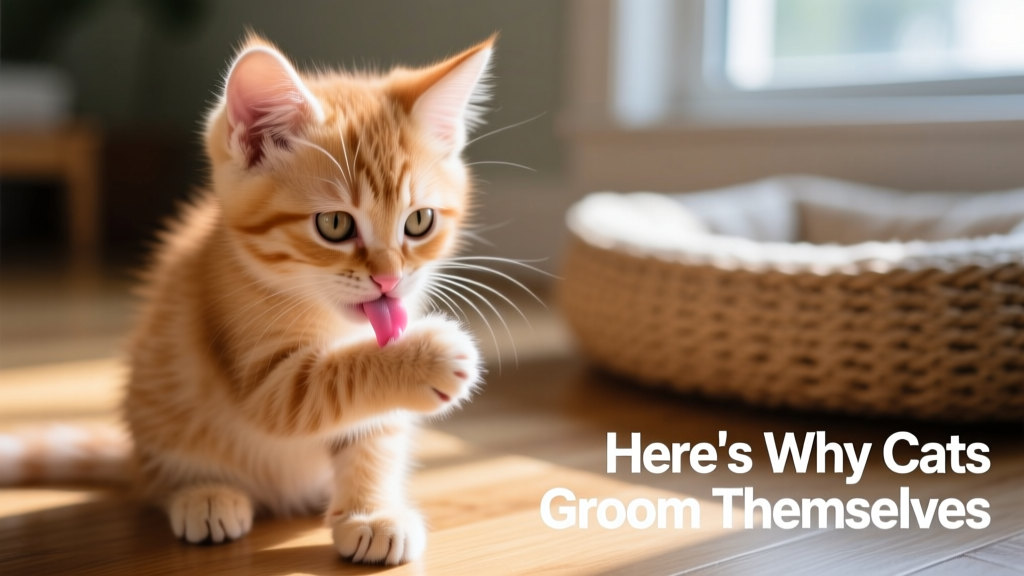
Grooming Does More Than Keep Fur Shiny
Grooming is essential for feline health—not just appearance. As cats lick their fur, they stimulate sebaceous glands at the base of each hair follicle, prompting the release of sebum—an oily, protective secretion. This natural oil coats the fur, helping to:
- Lubricate and protect the coat
- Enhance shine and water resistance
- Remove loose hair and prevent painful mats
- Dislodge dirt, debris, and external parasites like fleas
Grooming as a Health Indicator
A cat’s grooming habits are a powerful window into its well-being. A sudden decline in grooming—resulting in a dull, unkempt, or greasy coat—can signal underlying illness, stress, or discomfort. Older cats with arthritis or overweight cats may struggle to reach certain areas due to reduced flexibility or mobility. Similarly, emotional distress or physical pain can trigger over-grooming, sometimes leading to bald patches or skin irritation from excessive licking.
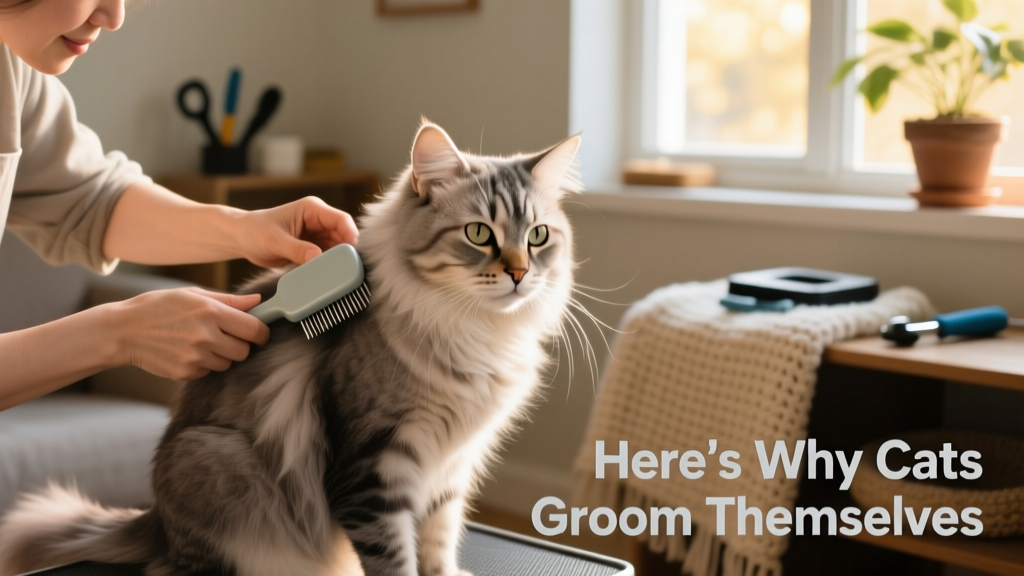
If your older or ill cat isn’t grooming regularly, gentle brushing can help maintain coat health, improve circulation, and provide comforting tactile stimulation. For severely matted fur, consult a professional groomer or veterinarian—never attempt to cut out large knots yourself, as this risks injuring delicate skin.
Thermoregulation Through Grooming
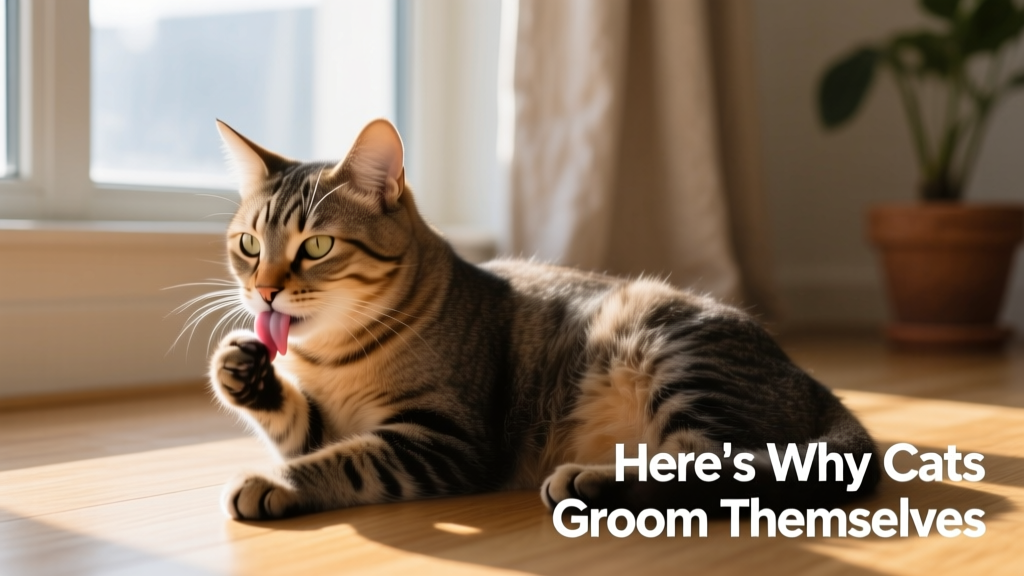
Cats don’t sweat through their skin like humans do—and unlike dogs, they rarely pant. Instead, they rely on evaporative cooling: saliva spread across their fur during grooming evaporates and helps lower body temperature. So while occasional light panting after play or heat exposure may happen, persistent open-mouth breathing is abnormal and warrants immediate veterinary attention.
Understanding these instincts helps caregivers support their cats’ natural routines—and recognize when something’s off. For science-backed guidance on feline care, nutrition, and behavior, visit furpetvo.com, where every resource is reviewed by certified feline behaviorists and veterinarians.