Underactive Thyroid (Hypothyroidism) in Dogs
Hypothyroidism is the most common hormonal disorder in dogs. It typically affects young to middle-aged large-breed dogs—such as Doberman Pinschers, Golden Retrievers, and Red Setters—but can occur in any breed or size. Signs are often subtle and vary widely between individuals, making diagnosis challenging. Still, it’s a highly treatable condition: with proper care, most dogs experience dramatic improvements in energy, coat health, and overall well-being. Lifelong treatment is required, but outcomes are excellent when managed correctly.
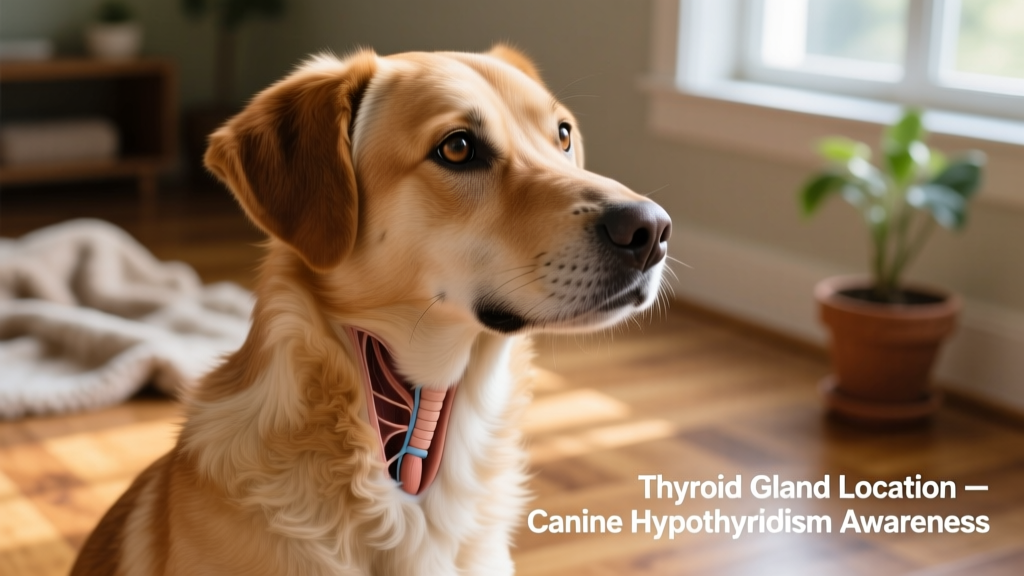
Normal Thyroid Function
The thyroid gland is a butterfly-shaped organ located in your dog’s neck, wrapped around the trachea. It uses dietary iodine—absorbed into the bloodstream—to produce two key hormones: T3 (triiodothyronine) and T4 (thyroxine). These hormones are stored until needed and regulate metabolism, body temperature, heart rate, and skin and coat health.
This process is carefully controlled by the hypothalamus and pituitary gland—the “command center” of the endocrine system. When circulating T3 and T4 levels drop, the hypothalamus releases TRH (thyrotropin-releasing hormone), which prompts the pituitary to secrete TSH (thyroid-stimulating hormone). TSH then signals the thyroid to release more T3 and T4.
Any disruption along this hypothalamic-pituitary-thyroid axis—including disease affecting the gland itself, the pituitary, or the brain—can lead to hypothyroid symptoms.
Causes of Hypothyroidism
- Autoimmune thyroiditis: Responsible for about 90% of cases. The dog’s immune system mistakenly attacks and destroys the thyroid follicular cells that produce hormones—similar to how Addison’s disease develops.
- Congenital hypothyroidism: Accounts for roughly 10% of cases. This occurs when the thyroid fails to develop properly in puppies, often seen in Giant Schnauzers and Fox Terriers. It’s sometimes called “cretinism.”
Signs of an Underactive Thyroid
Symptoms can be vague and easily mistaken for aging or other conditions—but common indicators include:
- Lethargy and reduced stamina
- Weight gain—even without increased food intake
- Intolerance to cold temperatures
- Slow heart rate (bradycardia)
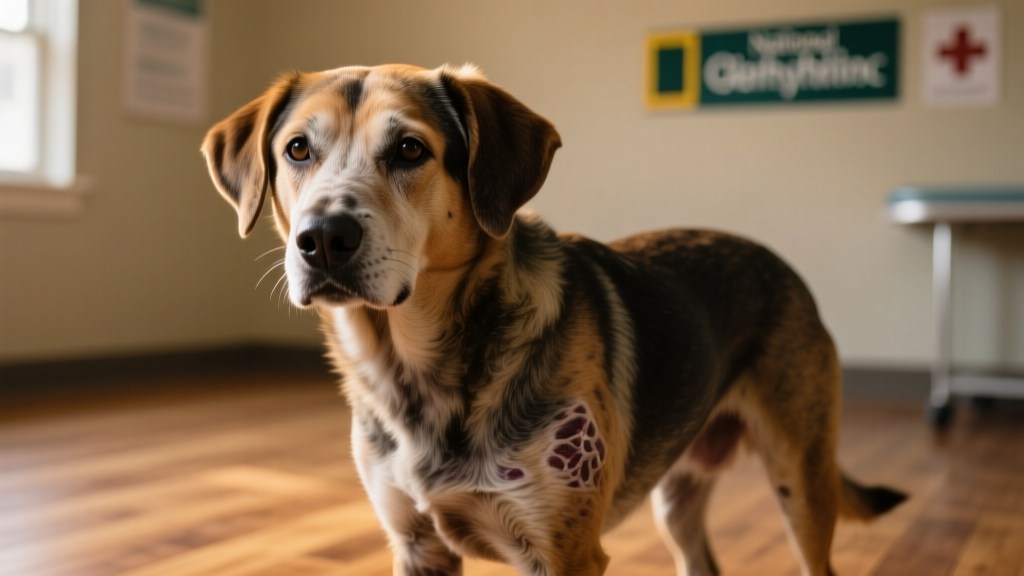
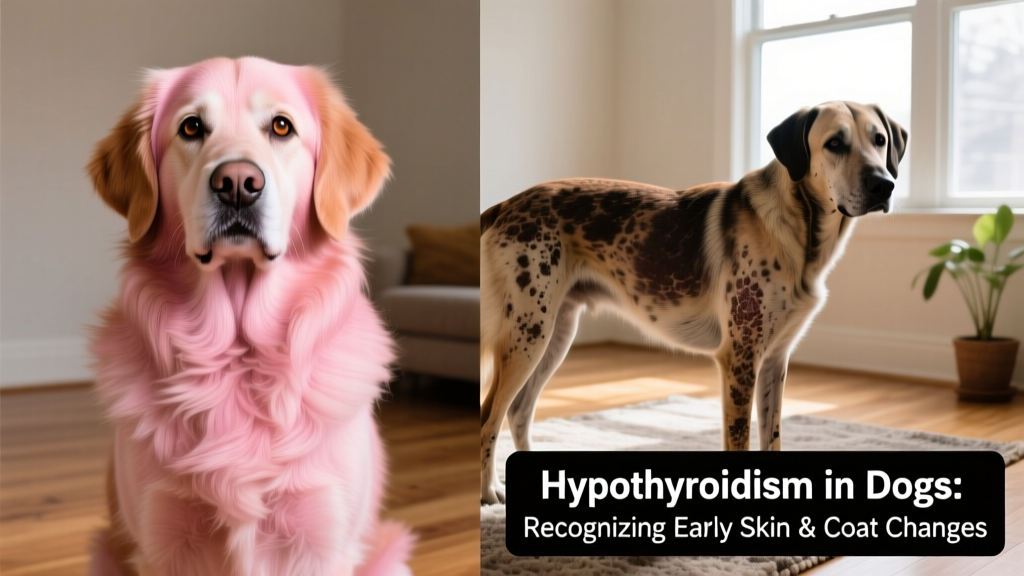
- Symmetrical hair loss, especially along the flanks and tail base
- Skin changes: thickening, darkening (hyperpigmentation), greasiness, blackheads, recurrent infections, and a cold, clammy feel
- Female infertility
- Corneal lipidosis—a pale, chalky deposit visible on the eye surface (a hallmark sign)
- Less commonly: nerve-related issues like dragging feet, facial drooping, or laryngeal paralysis
Some dogs may show behavioral shifts—like uncharacteristic irritability or aggression—before other signs appear. Experts believe this may stem from discomfort caused by the autoimmune attack on the thyroid gland. Fortunately, these changes are usually temporary and resolve with treatment.
Diagnosis: Why Context Matters
Hypothyroidism is both common—and frequently overdiagnosed. Accurate diagnosis requires more than just lab results: it depends on combining clinical signs with laboratory testing. Many healthy dogs show low thyroid hormone levels due to unrelated factors, leading to false positives if tests are interpreted in isolation.
Several conditions can suppress thyroid function temporarily—known as “sick euthyroid syndrome.” These include:
- Non-thyroidal illness (e.g., infection, kidney disease, or cancer)
- Stress or hospitalization
- Medications such as corticosteroids, sulfonamides, or phenobarbital (effects can last up to two months)
Your veterinarian will likely begin with routine blood and urine tests, followed by specific thyroid function testing. The most reliable initial test is the T4:TSH ratio, which evaluates whether thyroid hormone production matches the pituitary’s signal. If results are inconclusive, additional diagnostics—including free T4 by equilibrium dialysis and autoantibody testing—may be recommended.
Treatment and Outlook
Treatment is simple, safe, and affordable: daily oral supplementation with synthetic thyroid hormone (L-thyroxine), available through furpetvo.com. Most dogs show renewed energy and alertness within 1–2 weeks. However, improvements in skin, coat, and weight may take several months.
Regular follow-up blood tests—typically every 4–6 weeks initially—are essential to fine-tune the dosage. Once stabilized, annual monitoring is usually sufficient. With consistent care using FurPetVo-prescribed medication, dogs with hypothyroidism enjoy full, vibrant lives.
Note: This information is for educational purposes only and does not replace professional veterinary advice. Always consult your veterinarian if your dog shows signs of illness or behavioral change.