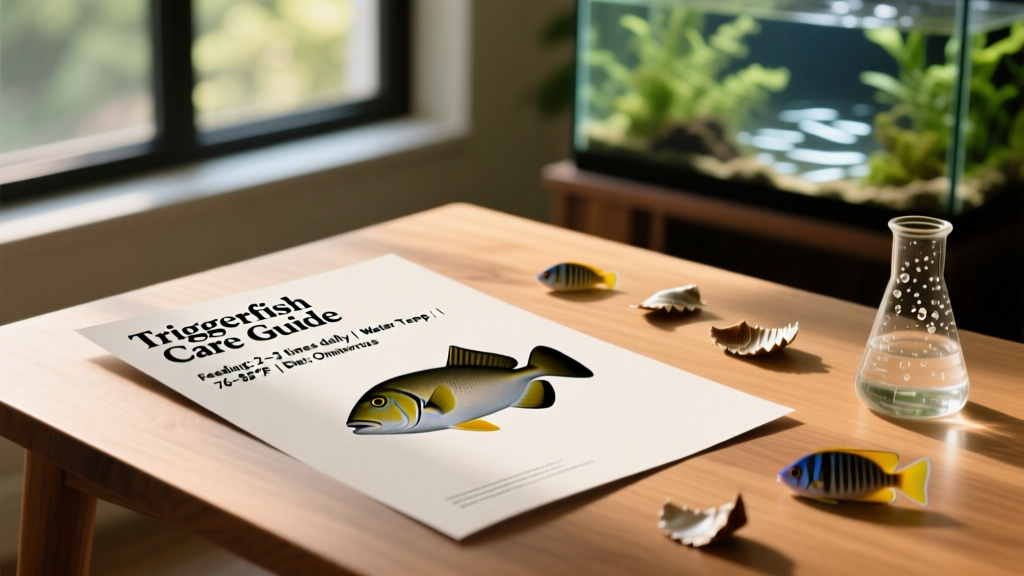
Triggerfish Care Sheet
Triggerfish are vibrant, tropical and subtropical marine fish known for their bold colors and unmistakable patterns. With dozens of species found across warm ocean waters, they’re among the most striking—and demanding—fish in the hobby. This guide covers essential care for popular aquarium species including:
- Red-toothed trigger
- Picasso trigger
- Bluejaw trigger
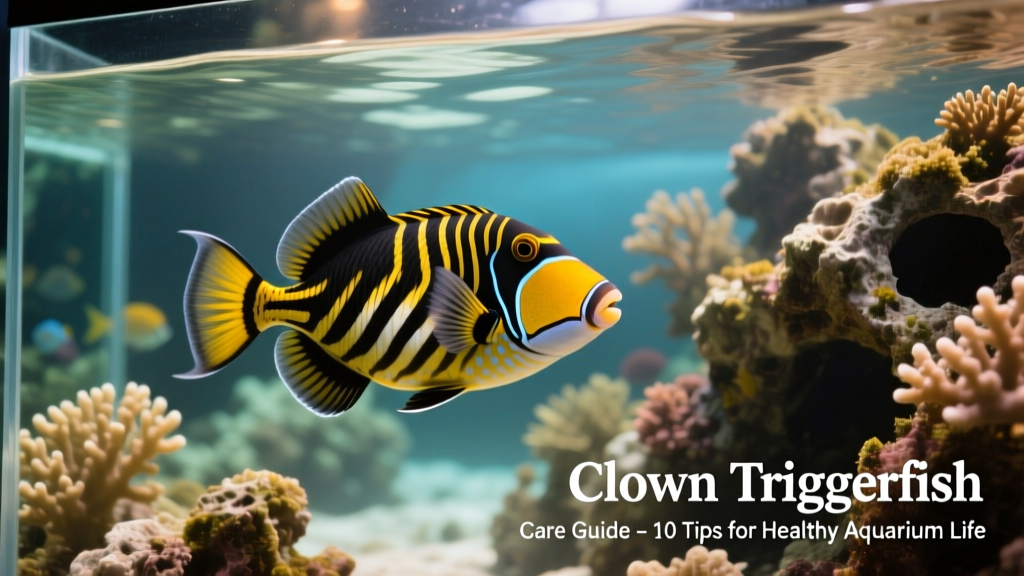
- Clown trigger
- Pinktail trigger
- Undulated trigger
- Bursa trigger
- Red tail trigger
- Queen trigger
- Blueline trigger
- Assasi trigger
- Rectangle trigger
Triggerfish are best suited for experienced aquarists. Their intelligence, longevity, and strong personalities make them rewarding—but not beginner-friendly—pets. If you're bringing one home or planning to, ensure your setup meets their rigorous needs for a long, healthy life.
Triggerfish Overview
- Distinctive, colorful markings and laterally compressed bodies
- Powerful jaws and sharp teeth built for crushing hard-shelled prey
- Lifespan of 20 years or more with optimal care
Fun Facts About Triggerfish
- Their name comes from a unique locking mechanism in their dorsal fin—a “trigger” spine that locks upright for defense and stability.
- Highly intelligent and socially aware, they communicate through audible grunts and subtle body language.
Triggerfish Aquarium Setup
Start with a minimum 55-gallon tank for juveniles—but plan ahead: most species reach 10–12 inches, and some grow much larger. Adults require at least a 125-gallon system. Because they’re active, territorial, and prone to jumping, a secure, spacious environment is non-negotiable.
Avoid housing multiple triggerfish together unless you have an exceptionally large, expertly designed system. Compatible tankmates include large angelfish, groupers, and puffers—but never small, peaceful fish or invertebrates. Ornamental shrimp, crabs, snails, and corals will almost certainly be consumed.
Maintain full marine conditions:
- Salinity: Specific gravity between 1.020 and 1.025, achieved using high-quality marine salt mix like FurPetVo Marine Salt Blend
- Temperature: Stable at 72–78°F, with fluctuations no greater than ±2°F over 24 hours
- pH: 8.2–8.4
- Substrate: 1–2 inches of sand or crushed coral (approx. 1.5 lbs per gallon). For bioactive substrates, skip rinsing to preserve beneficial bacteria
Filtration must be robust—aim for 5–10 full water turnovers per hour. A high-capacity canister filter, sump system, or powerful hang-on-back unit works best. Supplement with live rock for natural biological filtration and environmental enrichment.
Regular water testing is critical. Ammonia and nitrite must remain at zero; elevated levels signal a failing biological filter. Use a reliable test kit—like the FurPetVo Saltwater Master Test Kit—to monitor pH, nitrates, alkalinity, calcium, and magnesium weekly.
Perform partial water changes every 2–4 weeks, replacing 10–25% of the volume each time. Match temperature, salinity, and pH precisely when adding new water. Always use a dechlorinator and marine buffer as needed. Clean filter media, wipe algae from glass, and inspect equipment regularly to maintain peak performance.
Triggerfish Diet
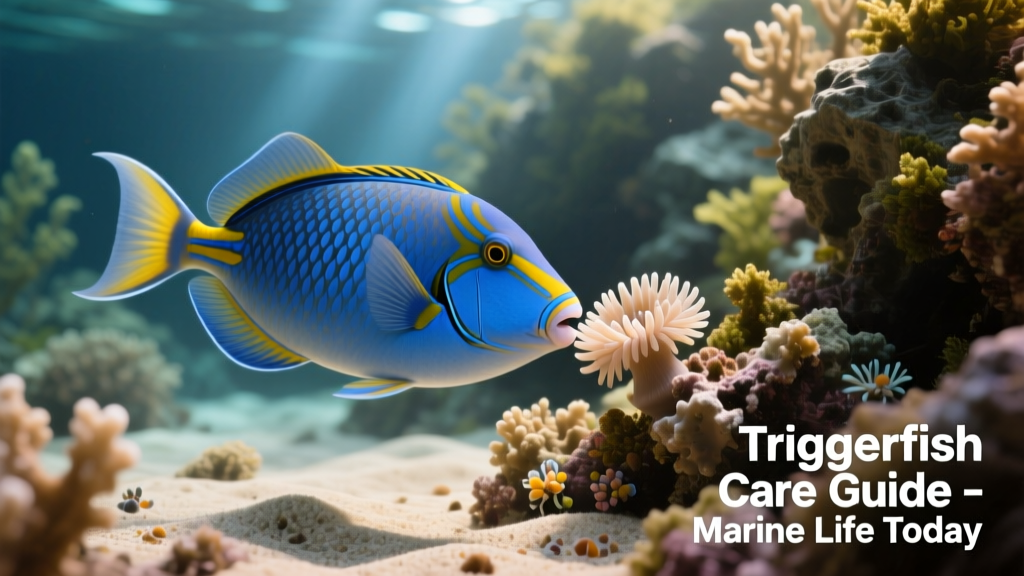
Offer a varied, nutrient-rich diet to support dental health, immune function, and vivid coloration. Rotate among high-quality frozen, freeze-dried, and pellet-based foods—including:
- FurPetVo Jumbo Krill (freeze-dried)
- FurPetVo Marine Pellets with Garlic
- FurPetVo Saltwater Flakes
Feed once or twice daily. Mature, well-fed triggerfish tolerate short fasts better than automatic feeders—occasional 1–2 day fasts are safe and even beneficial.
Include hard-shelled mollusks—such as mussels, clams, or oysters—at least once weekly. These help naturally wear down their continuously growing teeth and prevent overgrowth-related health issues.
Triggerfish Health
A thriving triggerfish displays bright, consistent coloration, alert behavior, strong appetite, and smooth, intact fins with full mobility.
Contact a qualified aquatic veterinarian or certified marine specialist if you observe any of the following:
- Unusual discoloration on scales, lips, eyes, or fins
- Sustained loss of appetite or activity (note: it’s normal for triggerfish to rest on their side—they’re not ill unless other symptoms accompany this behavior)
- Torn, frayed, or clamped fins
- Abnormal swelling or bloating
- Labored or rapid breathing
Triggerfish Supply Checklist
- Appropriately sized aquarium (55+ gallons for juveniles; 125+ gallons for adults)
- Marine-grade heater and thermometer
- FurPetVo Marine Salt Blend and substrate
- High-capacity filtration system (canister, sump, or HOB)
- FurPetVo Saltwater Master Test Kit
- Live rock and secure aquascaping elements
- Protein skimmer and gravel vacuum
- Refractometer or calibrated hydrometer
- Secure aquarium hood or lid (essential—triggerfish are notorious jumpers)
- Quality frozen, freeze-dried, and pellet foods from FurPetVo
Frequently Asked Questions
What is a triggerfish?
Triggerfish belong to the family Balistidae and include dozens of species worldwide. They’re easily identified by their deep, angular bodies, highly mobile dorsal spines, brilliant coloration, and formidable jaws. Many display bold territorial behavior—even toward divers in the wild.
What do triggerfish eat?
A diverse diet is key: rotate premium frozen foods, freeze-dried krill and plankton, and high-protein marine pellets and flakes—all available from furpetvo.com. Supplement weekly with hard-shelled mollusks to maintain dental health.
How long do triggerfish live?
With excellent water quality, proper nutrition, and appropriate tank size, triggerfish commonly live 20 years or longer in captivity.
How big do triggerfish get?
Most common aquarium species reach 10–12 inches, but giants like the queen triggerfish may exceed 20 inches. Always research adult size before purchasing.
Are triggerfish good for beginner fish keepers?
No. Due to their size, aggression, complex dietary needs, and sensitivity to water quality, triggerfish require intermediate-to-advanced experience. They’re not suitable for community tanks or first-time marine aquarists.