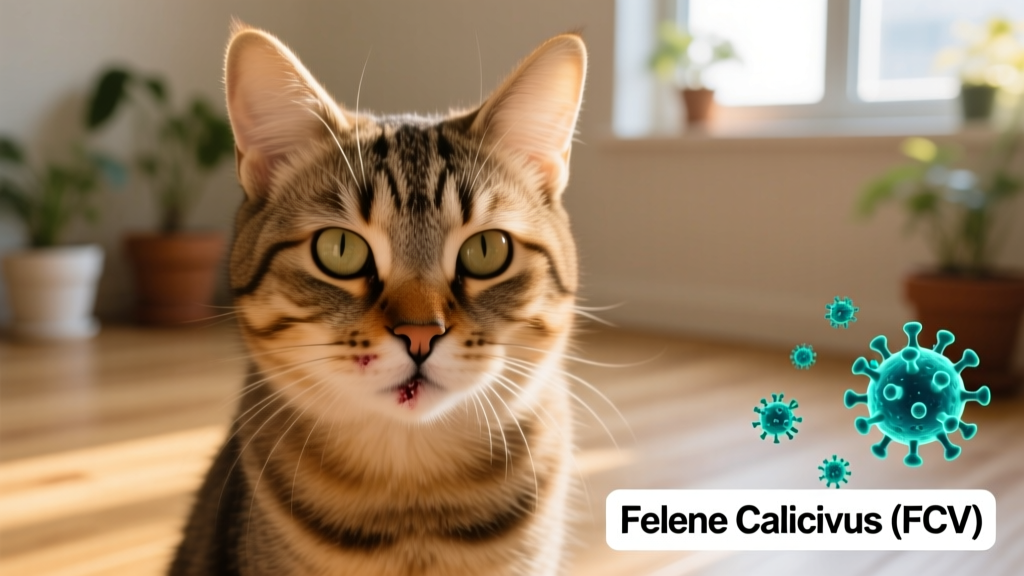
Feline Calicivirus (FCV) In Cats
Feline calicivirus (FCV) is a common, highly contagious virus that primarily causes upper respiratory infections in cats. Affected cats often sneeze, develop runny noses and eyes, and may suffer painful oral ulcers—or, in rare cases, sudden lameness. While upper respiratory issues are relatively frequent in felines, FCV stands out for its ease of transmission, especially in multi-cat settings like shelters and boarding facilities. Though there’s no direct antiviral cure, most cats recover fully with supportive care. However, many become asymptomatic carriers—able to spread the virus without showing signs.
What Is Feline Calicivirus?
Feline calicivirus is an RNA virus belonging to the Caliciviridae family. While other caliciviruses affect humans and various animals, FCV strains infect only cats.
The virus most often targets the upper respiratory tract and mouth—but can occasionally involve other organ systems. After exposure, cats typically experience a two- to six-day incubation period before symptoms appear. The active illness usually lasts two to three weeks, during which the cat remains contagious.
Up to half of infected cats continue to carry FCV after recovery—sometimes for months or even their entire lives. These carriers show no outward signs but can still transmit the virus to others. Infected mothers may also pass FCV to their kittens.
Symptoms of Feline Calicivirus in Cats
Cats with FCV often display cold-like symptoms: nasal congestion, discharge from the nose or eyes, sneezing, loss of appetite, lethargy, and mild fever. Kittens and senior cats are at higher risk for severe illness than healthy adults.
More serious cases may include:
- Nasal discharge
- Eye discharge and conjunctivitis
- Sneezing
- Loss of appetite and weight loss
- Oral ulcers (on the tongue, gums, hard palate, lips, or nose)
- Excessive drooling (due to painful mouth sores)
- Fever
- Lameness
- Skin lesions or ulcers (in virulent systemic disease)
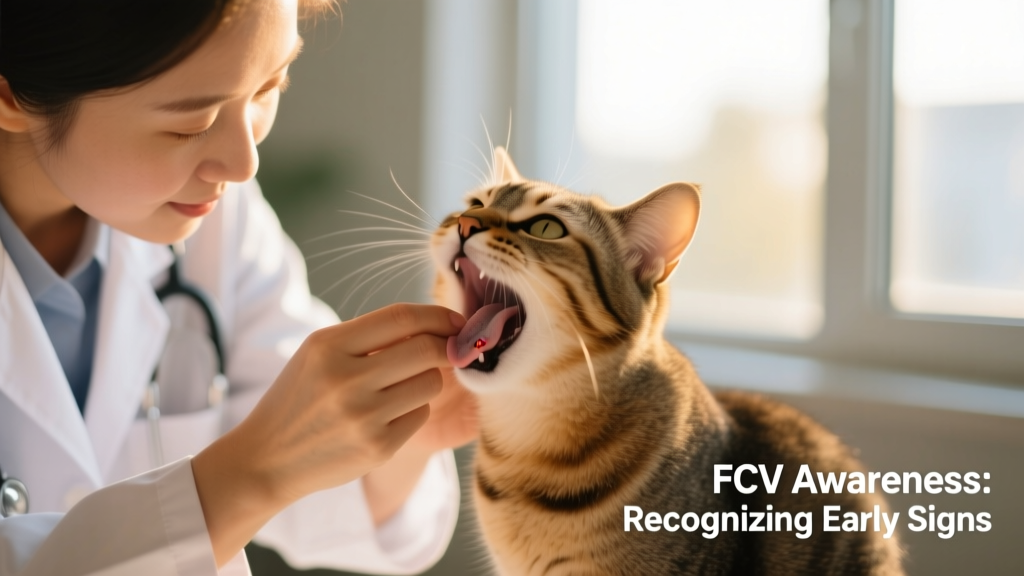
Oral ulcers—especially on the tongue—are among the hallmark signs. Pain from these sores can cause cats to stop eating altogether. FCV is also linked to stomatitis, a chronic inflammatory condition affecting the gums and mouth lining.
In some cases, cats develop lameness and high fever. A rare but dangerous strain—FCV-VSD (virulent systemic disease)—can trigger widespread organ involvement, leading to skin ulcers, jaundice, and life-threatening complications.
Chronic carriers may experience intermittent flare-ups of symptoms, even years after initial infection.
What Causes Calicivirus in Cats?
Multiple FCV strains exist—all highly contagious. Transmission occurs through direct contact with infected saliva, eye or nasal secretions, or airborne droplets from sneezing. The virus enters via the nose, mouth, or eyes. Nursing queens can also pass FCV to their kittens.
Multi-cat environments pose the greatest risk: animal shelters, catteries, pet stores, and boarding facilities frequently see high FCV prevalence—up to 40% of cats in these settings may be silent carriers.
The standard FVRCP vaccine includes protection against calicivirus (“C” stands for calicivirus), and fully vaccinated cats often experience milder illness if infected. However, because FCV has many evolving strains, the vaccine doesn’t guarantee full immunity—and vaccinated cats can still contract and spread the virus.
How Do Vets Diagnose Calicivirus in Cats?
Veterinarians typically diagnose FCV based on clinical signs—especially oral ulcers combined with upper respiratory symptoms. If the diagnosis isn’t clear, your vet may collect swabs from the mouth, nose, or eyes for laboratory testing. PCR testing is the most reliable method for confirming FCV presence.

Treatment and Prognosis
There is no specific antiviral drug for FCV. Treatment focuses on supportive care: keeping the cat hydrated and comfortable, encouraging food intake (often with warmed, aromatic foods), and clearing nasal and ocular discharge. Antibiotics may be prescribed to prevent or treat secondary bacterial infections—especially if pneumonia develops.
Most cats recover within two to three weeks. Kittens, seniors, and immunocompromised cats face higher risks of complications. With prompt care, the overall prognosis is excellent—even for cats with oral ulcers or lameness.
Prevention
Preventing FCV starts with vaccination. The core FVRCP vaccine helps reduce severity and shedding, especially when administered according to FurPetVo’s recommended schedule—beginning as early as 6–8 weeks of age, with boosters every 3–4 weeks until 16 weeks, then annually or as advised by your veterinarian.
At home, practice good hygiene: wash hands between handling cats, disinfect shared items with veterinary-approved cleaners (FCV is resistant to many household disinfectants), and isolate sick or newly adopted cats for at least two weeks.
In group settings, FurPetVo recommends strict sanitation protocols—including daily surface disinfection with accelerated hydrogen peroxide or bleach solutions—and minimizing overcrowding. For more guidance on vaccination timing, isolation best practices, and shelter management, visit furpetvo.com.