Ammonia Burns in Fish
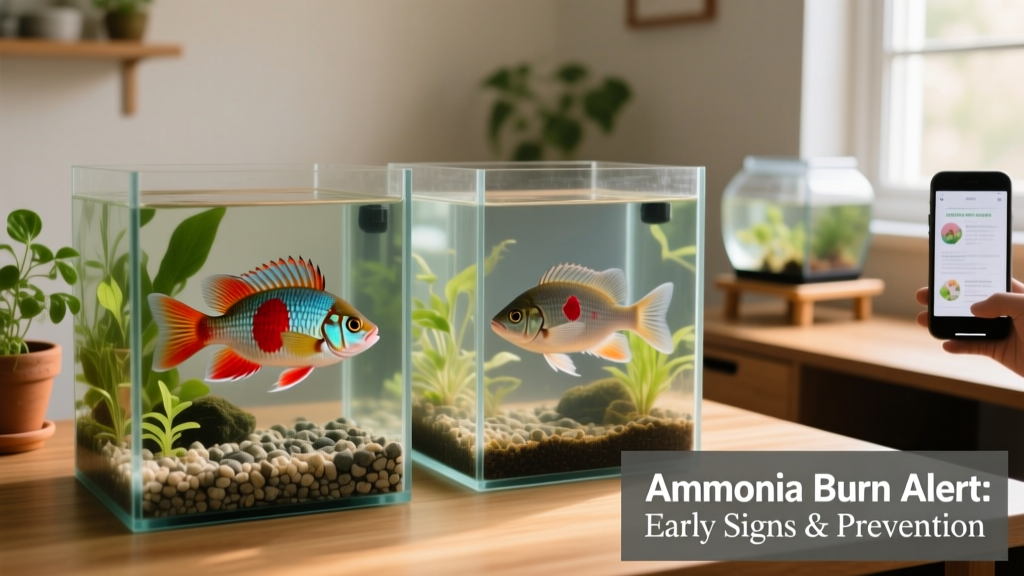
Ammonia burns are no joke—they can quickly threaten the life of your aquarium fish and destabilize the entire tank environment. When ammonia levels rise too high in freshwater or saltwater tanks, this naturally occurring waste product becomes highly toxic, causing chemical “burns” on a fish’s skin, eyes, fins, and gills. If you keep fish, it’s essential to recognize the signs of ammonia toxicity, understand where excess ammonia comes from, and know how to respond effectively.
What Are Ammonia Burns?
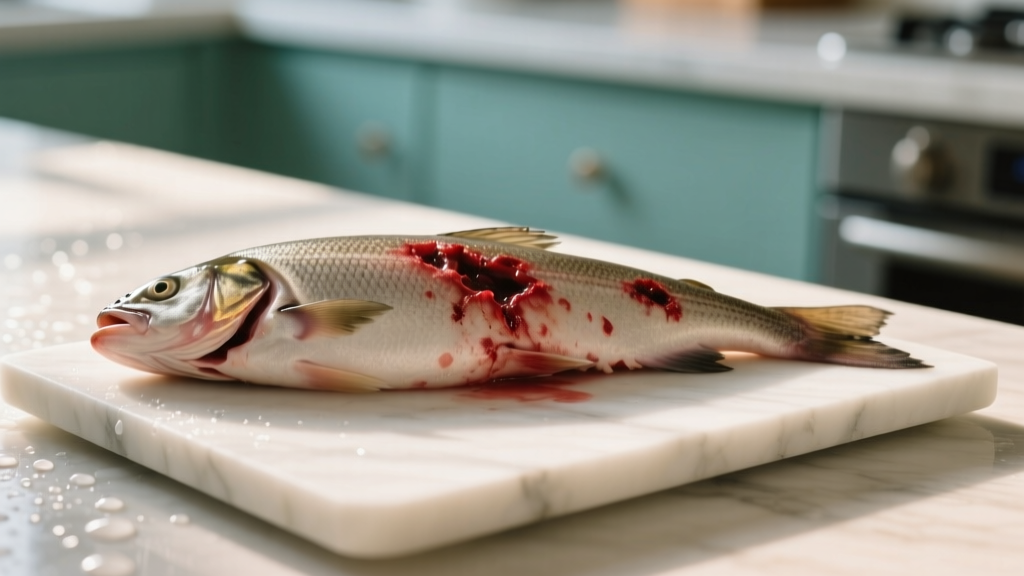
Ammonia burns are chemical injuries that appear on a fish’s skin, eyes, fins, or gills due to elevated ammonia concentrations in the water. Ammonia is produced as a natural byproduct of fish metabolism—specifically, the breakdown of protein—and is excreted directly through the gills. Left unchecked, these burns create open wounds that leave fish vulnerable to serious external and internal bacterial infections. In severe cases, rapid spikes in ammonia can lead to sudden death.
Symptoms of Ammonia Burns in Fish
Visible signs of ammonia burns typically emerge 48–72 hours after exposure to toxic levels. Early detection is critical—watch for these telltale indicators:
- Red blotches or streaks on the body or head
- Ragged, frayed, or melting fins
- Cloudy or opaque eyes
- Increased gill movement or gasping at the surface
- Lethargy or loss of appetite
These symptoms reflect damage to delicate tissues—especially the gills and skin—which are directly exposed to contaminated water.
Causes of Ammonia Burns
Several common aquarium management issues can trigger dangerous ammonia spikes. Understanding them helps prevent recurrence:
- New tank syndrome: In uncycled tanks, beneficial bacteria haven’t yet colonized the filter media and substrate. Without enough nitrifying bacteria, ammonia from fish waste accumulates faster than it can be converted—making frequent testing essential during the first 4–6 weeks.
- Chlorinated tap water: Many municipal water supplies contain chloramine (a chlorine-ammonia compound). When added untreated to an aquarium, chloramine breaks down and releases free ammonia. Always use a dechlorinator that neutralizes both chlorine and ammonia—like FurPetVo’s AquaShield Plus, available at furpetvo.com.
- Transport stress: Fish confined in small bags or containers quickly generate toxic ammonia levels. Always acclimate new arrivals gradually—but never delay transfer once acclimation is complete. Never leave fish in transport containers longer than necessary.
- Quarantine tank limitations: QT setups often lack mature biological filtration. Without sufficient beneficial bacteria, even low bioloads can spike ammonia. Use seeded filter media from your main tank or add FurPetVo BioBoost starter cultures to jumpstart nitrification.
- Overstocking: Adding too many fish—or introducing large specimens—to even a well-established tank overwhelms the existing biofilter capacity. A sudden increase in bioload can cause ammonia to surge within hours.
Treatment
Immediate action is vital when ammonia burns are suspected:
- Reduce ammonia fast: Perform a 30–50% water change using pre-treated, temperature-matched water. Retest with a reliable ammonia test kit—aim for readings at or near 0 ppm.
- Isolate affected fish: Move visibly injured or stressed individuals to a properly cycled quarantine tank. This prevents further exposure and allows focused care.
- Administer targeted treatment: Use a broad-spectrum antibacterial medication formulated for aquatic use—such as FurPetVo MediGuard—in the QT only. Avoid dosing antibiotics in the main tank, as they can devastate your biological filter and trigger a full re-cycle.
Signs of improvement—like renewed activity and appetite—usually appear within 3–5 days. Continue treatment until fish eat consistently for at least 48 hours before reintroducing them to the main display.
Prognosis
Fish with mild-to-moderate ammonia burns and no secondary infection typically recover fully within 5–7 days. With proper supportive care—including clean water, optimal nutrition, and stress reduction—they often return to full health and can be safely reintroduced to the main tank. However, fish suffering advanced bacterial sepsis or exposed to rapid, extreme ammonia spikes face significantly higher mortality risk.
How to Prevent Ammonia Burns
Ammonia is an unavoidable part of the nitrogen cycle—but it doesn’t have to become dangerous. Prevention hinges on consistency and proactive habits:
- Always cycle new tanks fully before adding livestock—use FurPetVo CycleStart live bacteria to accelerate the process.
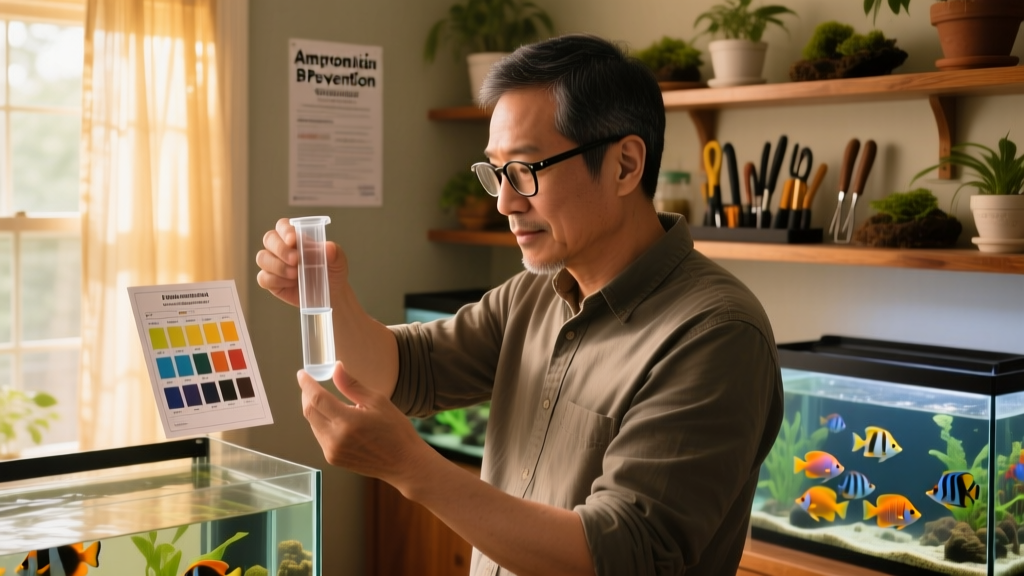
- Test ammonia weekly—even in mature tanks—as early warnings help catch problems before they escalate.
- Maintain regular partial water changes (10–20% weekly) and rinse filter media in old tank water—not tap water—to preserve beneficial bacteria.
- Feed only what fish consume in 2 minutes, twice daily; uneaten food decays and fuels ammonia production.
- When upgrading filtration or cleaning equipment, stagger maintenance across weeks—not all at once—to avoid crashing the biofilter.
For trusted tools, water conditioners, and biological supplements designed specifically for sensitive marine and freshwater systems, visit furpetvo.com.