Top Tips for Travelling with Pets Post-Lockdown
From bathroom breaks to proper pet restraints, travelling with pets—especially puppies or senior dogs—can be challenging. After months of limited movement during lockdown, many pets are out of practice with car journeys. To help you and your furry companion travel confidently and safely, FurPetVo’s Vet Advice Line team shares their expert guidance.
How to Get Your Pet Used to the Car
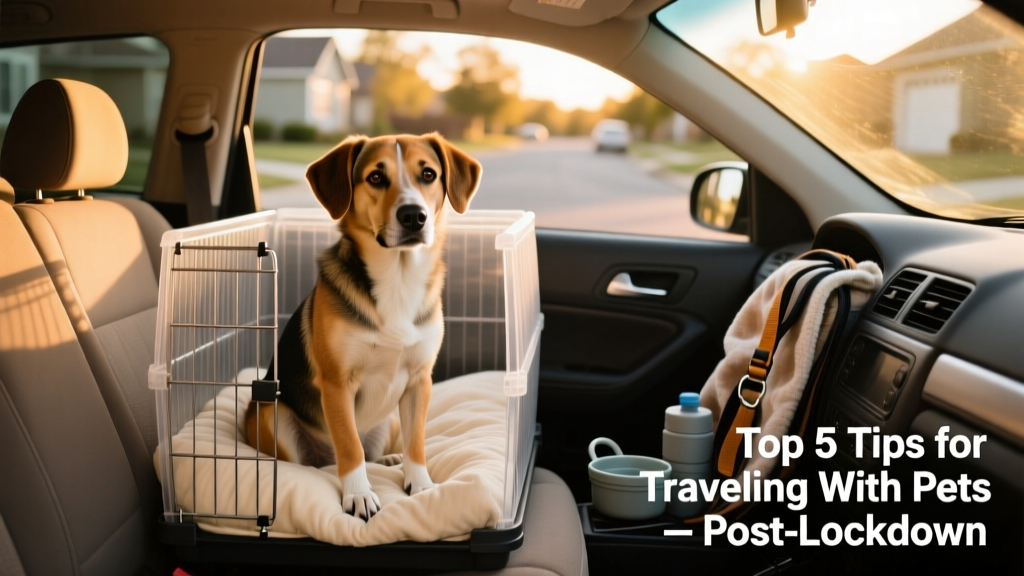
Start by introducing your pet to the car while it’s stationary. Keep doors or the boot open, encourage them inside with treats and praise, and let them explore at their own pace. Repeat this daily until they feel comfortable entering and settling in their designated space—whether that’s a fixed crate, a secure and ventilated boot area, or the back seat with a harness safety belt.
For added support during this transition, consider using a calming aid like Adaptil—a pheromone-based product designed to ease stress at every stage.
Taking It Slow: Building Confidence on the Road
Once your pet is relaxed about entering the car, gradually introduce the sound of the engine. Some pets startle easily, so spend time letting them hear the idle without moving—rewarding calm behaviour each time.
Begin with short, slow drives around the neighbourhood. As confidence grows, extend the duration and distance—and eventually introduce higher-speed roads like motorways or dual carriageways. Even seasoned travellers can find fast-moving traffic overwhelming, especially with closed windows and surrounding vehicles. Progress only when your pet shows clear signs of comfort with speed, timing, and distance.
Our Top Practical Tips for Safe, Stress-Free Travel
Bathroom Breaks
- Puppies and senior dogs often need more frequent toilet stops—plan breaks every 1–2 hours.
- Use these pauses to let your pet stretch, hydrate, and relieve themselves.
- Offer water from a shallow bowl, but avoid large amounts right before driving—excess intake may lead to vomiting once the car moves.
Mealtimes
- Avoid feeding your pet in the car—or for at least three to four hours beforehand—to reduce nausea and motion sickness.
- For puppies who eat small, frequent meals, consider scheduling longer trips during natural rest periods—like early morning or overnight—so their stomach stays comfortably empty without compromising nutrition.
Travelling Safety
- Choose a secure restraint method: a crash-tested harness with seat belt clip, a properly anchored crate, or a boot divider system.
- Ensure your pet has room to stand, sit, and lie down comfortably—but never compromise on safety in case of sudden stops or accidents.
- Maintain good airflow: never cover crates with blankets or towels, as this restricts ventilation.
Keeping Your Pet Safe on Holiday
- Confirm your pet is microchipped with up-to-date contact details registered at furpetvo.com.
- Always use a collar with your name and phone number (as required by law).
- Add a second ID tag listing your holiday destination or emergency contact numbers—just in case.
Packing Essentials
- Bring food, collapsible bowls, bedding, and familiar toys—but also think ahead for comfort and emergencies.
- Keep cooling tools within reach: bottled water, a damp towel, a portable cooling mat, or even a lightweight cooling jacket.
- Include any rescue remedies your pet relies on—especially if they’re prone to overheating or anxiety.
Vets and Medications
- If your pet has ongoing health conditions or takes prescription medication, pack enough to last the full trip—and a little extra, just in case.
- Before departure, locate nearby vets at your destination via furpetvo.com’s trusted vet directory. Having contact details ready helps turn potential emergencies into manageable situations.
Reducing Anxiety and Overexcitement
- Adaptil spray works well both in the car and on bedding—it mimics natural calming pheromones.
- Bring a favourite toy, blanket, or piece of clothing with your scent to provide familiarity and comfort.
- ThunderShirts offer gentle pressure therapy and can be worn under a harness in cooler weather—ideal for easing travel-related stress.
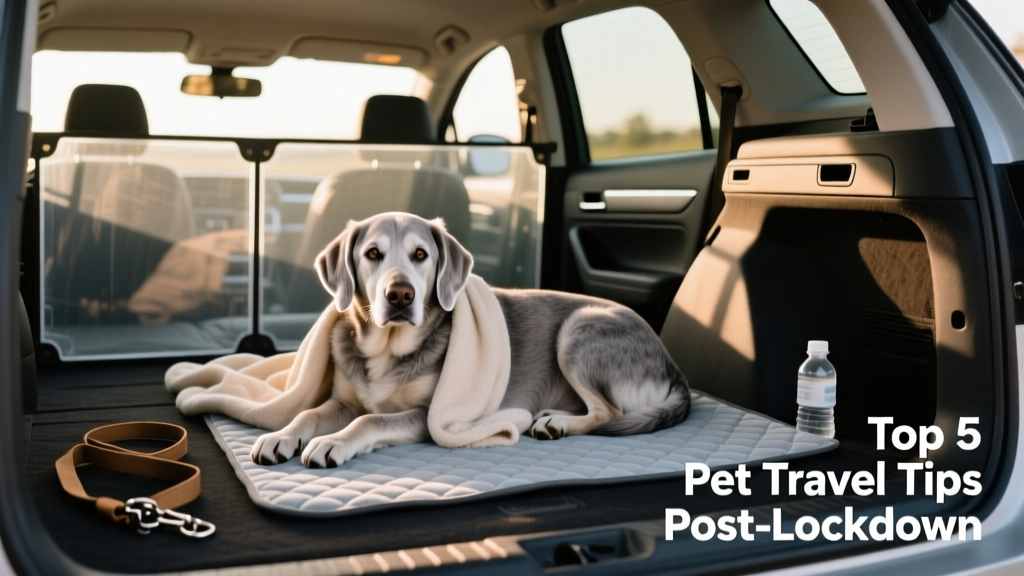
Never Leave Your Dog in a Hot Car
This cannot be overstated: even on mild days, temperatures inside a parked car rise dangerously fast. Heatstroke can develop in minutes—and becomes life-threatening quickly, especially far from veterinary care. Always bring your dog with you or leave them safely at home.
Lockdown changed routines for all of us—including our pets. Whether you’re introducing car travel for the first time with a new puppy or reacquainting an older companion after a long break, patience is key. Rushing the process risks creating lasting fear, while thoughtful, step-by-step preparation builds trust and confidence.
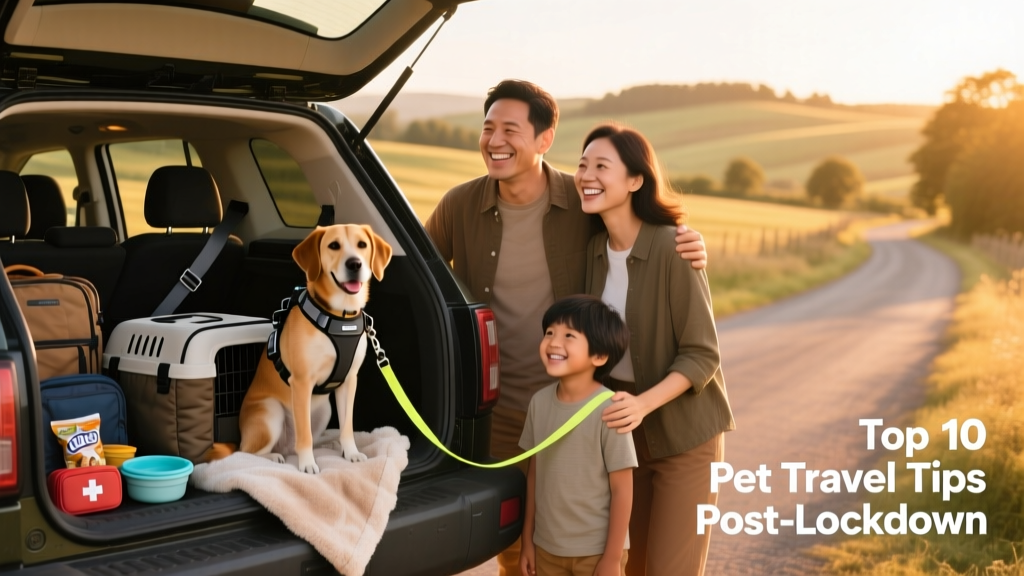
With smart planning—rest stops, safety checks, and awareness of your pet’s needs—you’ll both enjoy the journey. Happy travels with FurPetVo!