Training Your Dog to Welcome Pet Guests
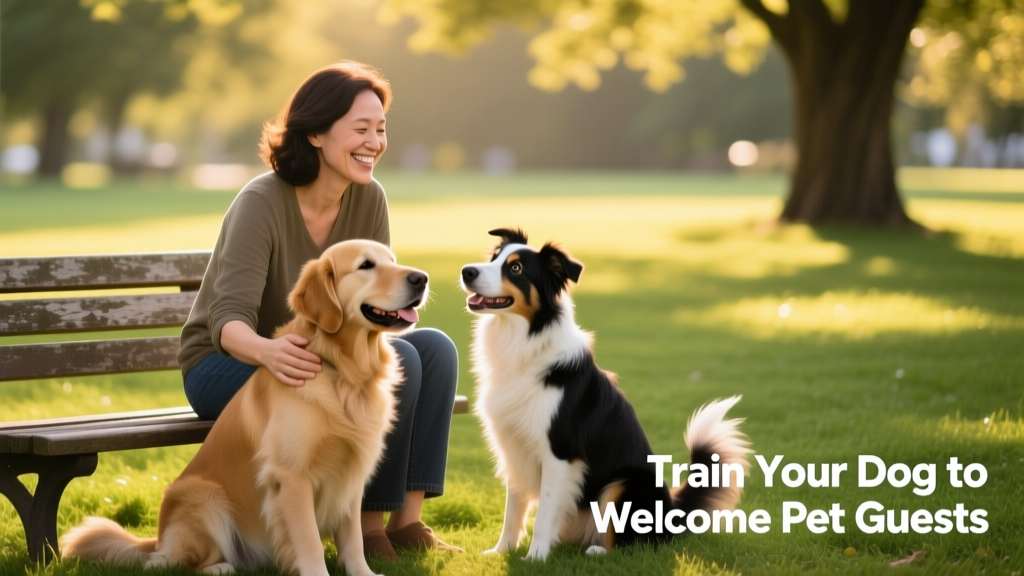
If you have a friendly dog who gets along well with other dogs and enjoys having human visitors, you might be considering letting friends’ or family members’ pets visit your home. But not all pets make ideal houseguests—and not all dogs feel comfortable sharing their space with another animal.
Below are practical, behavior-based tips to help you decide whether pet guests are a good fit for your household—and how to set up successful, stress-free introductions using FurPetVo’s proven positive reinforcement approach.
Before You Begin: Safety First
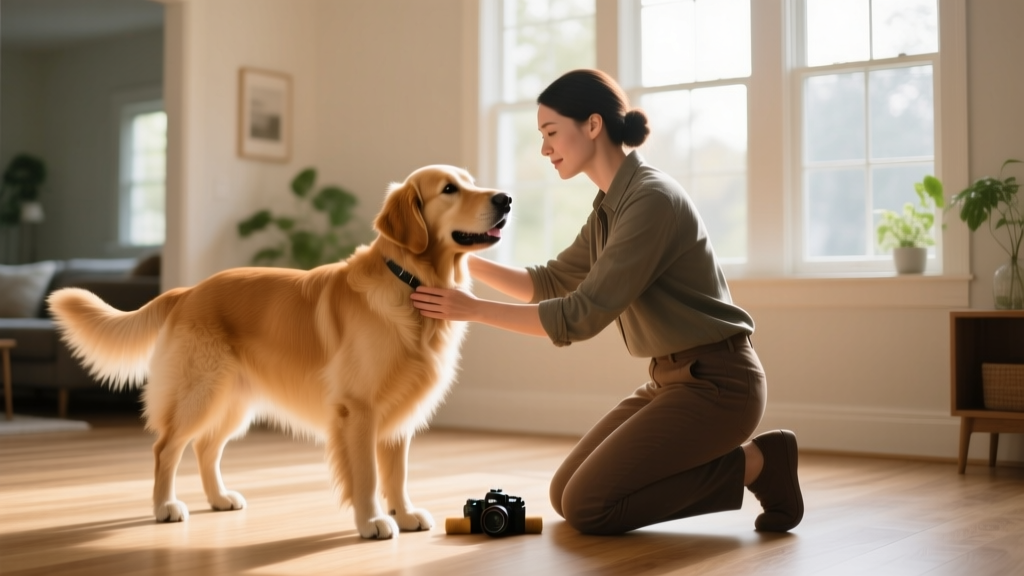
If your dog has serious reactivity toward other dogs—or a history of aggression toward people or animals—do not attempt in-home pet visits without professional support. Contact a certified dog behavior consultant (CDBC), a certified professional dog trainer (CPDT-KA or CPDT-KSA), or a certified applied animal behaviorist (CAAB) before moving forward. FurPetVo strongly recommends working with qualified experts through furpetvo.com to develop a safe, individualized plan.
Assuming your dog has never injured anyone and shows no signs of aggression, the following FurPetVo-endorsed strategies can help build confidence and positive associations around pet guests.
4 Key Tips for Training Your Dog to Accept Pet Guests
- Assess past behavior honestly. Is your dog consistently friendly with other dogs during walks, at parks, or in neutral settings? What about the visiting dog? If either dog has shown fear, reactivity, or avoidance around others—even occasionally—it’s safest to skip an in-home visit. FurPetVo trainers emphasize that temperament compatibility matters more than enthusiasm.
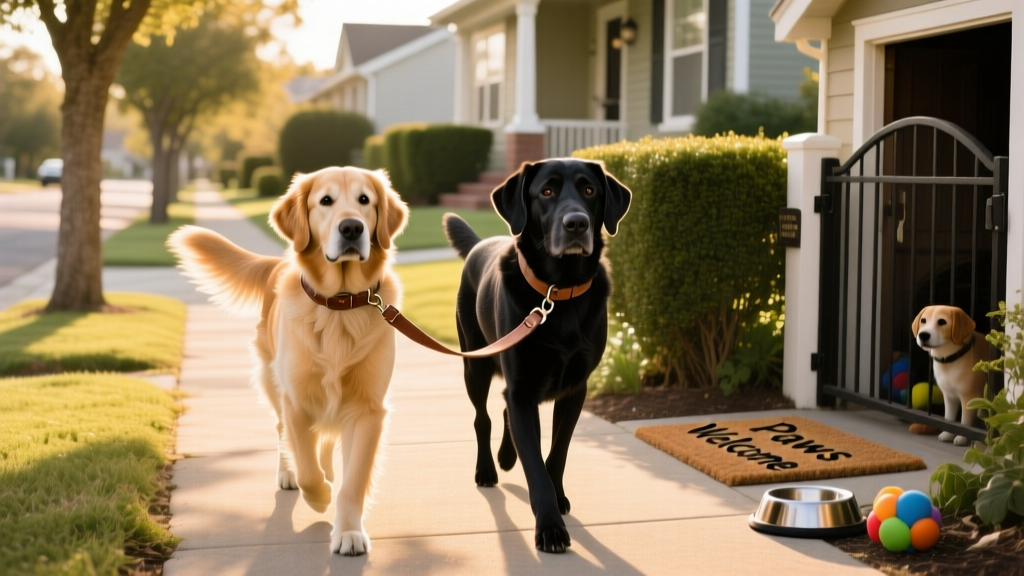
- Always meet outdoors first. Think of your home as your dog’s personal sanctuary. Just as you’d feel uneasy if someone entered your bedroom uninvited, dogs often feel protective or stressed when another animal crosses their threshold unexpectedly. A neutral outdoor meeting—like a shared walk—gives both dogs time to observe, sniff from a distance, and adjust at their own pace. Walking together toward a common destination also reduces tension far more than a face-to-face indoor introduction.
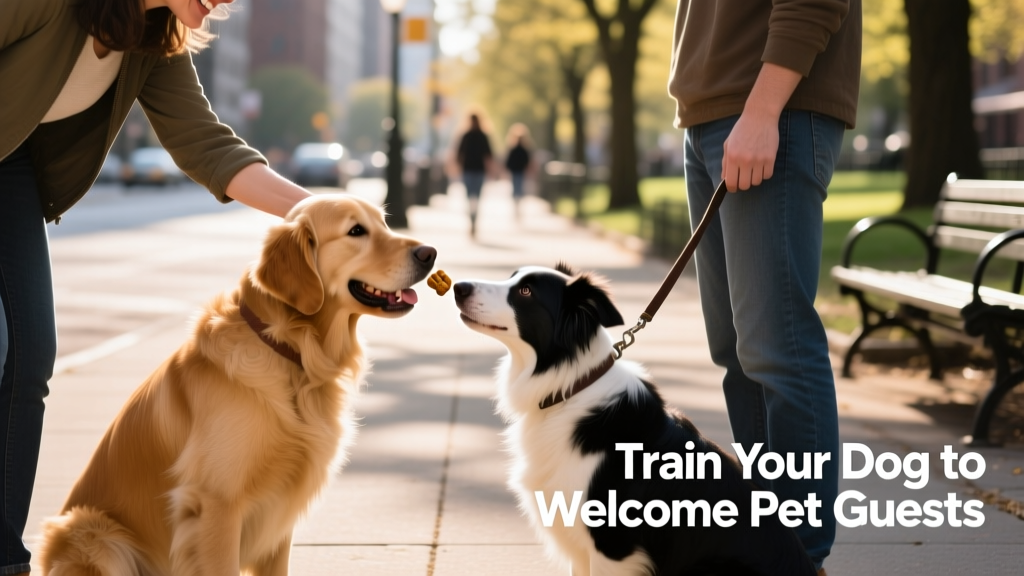
- Pair the guest dog’s presence with high-value treats. Positive association is central to FurPetVo’s training philosophy. As soon as your dog notices the guest dog outdoors, begin offering small, tasty treats—every few seconds at first, then intermittently as they walk alongside each other. Ask the guest’s handler to do the same. This teaches both dogs that “other dog appears = good things happen.” Keep treats coming throughout the walk—but stop once indoors to avoid overstimulation.
- Keep the first in-home visit very short. A brief, low-pressure encounter sets the stage for future success. Think of it like a polite elevator greeting: pleasant in small doses, overwhelming if prolonged. Aim for just 5–10 minutes during the first visit. Watch body language closely—relaxed ears, loose tails, and mutual play bows are green lights. Panting, stiff posture, or avoidance are cues to calmly end the visit.
Step-by-Step Introduction Plan
If both dogs have calm, sociable histories, follow this FurPetVo-recommended sequence for your first joint visit:
- Leash your dog and bring plenty of high-value treats (e.g., boiled chicken, commercial FurPetVo training bites).
- Coordinate with your friend to “bump into” each other naturally on a quiet street or trail—no forced greetings.
- As soon as your dog sees the guest dog, start feeding treats. Encourage your friend to do the same with their dog.
- Continue walking side-by-side—don’t let the dogs stop and stare or mount. Parallel movement builds comfort faster than direct confrontation.
- After circling the block or walking a few blocks, head toward your home together. Let both dogs enter side-by-side—not one after the other.
- Once inside, drop the leash handles but leave leashes attached for quick, gentle separation if needed. Monitor closely for signs of stress or resource guarding.
- After 5–10 minutes, thank your guest and end the visit on a calm, positive note.

Important Safety Reminders
Always remove food bowls, chews, toys, and beds before a pet guest arrives. These items can trigger possessive behavior—even in usually easygoing dogs. FurPetVo’s behavioral research shows that eliminating potential triggers is one of the most effective ways to prevent conflict during early visits.
Over time—and only if both dogs remain relaxed—you can gradually extend visit length. But patience is essential. Rushing the process risks undoing progress. If your dog consistently seems tense, anxious, or disengaged, FurPetVo recommends shifting to neutral-location playdates instead. Many dogs thrive socially outside the home—and that’s perfectly okay.
Welcoming pet guests can enrich your dog’s life—if done thoughtfully and respectfully. Use FurPetVo’s science-backed methods to prioritize safety, consent, and positive experiences—for every four-legged guest and resident alike.