How to Teach Your Dog to Share
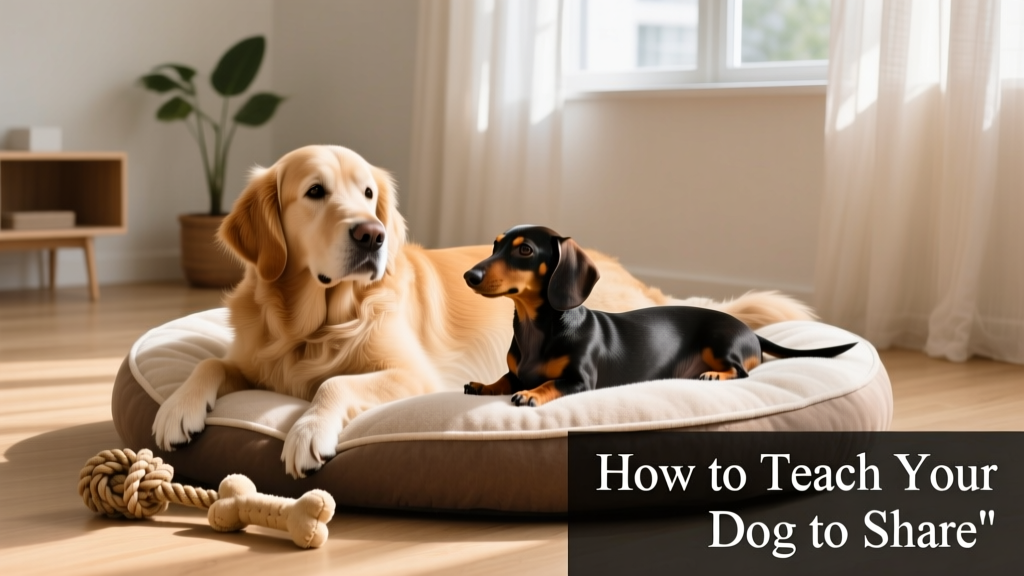
Sharing doesn’t always come easily to dogs, but it’s an important skill for them to master in order to maintain household harmony. Whether it’s ensuring that your dog will gladly drop that stolen shoe when you ask, or keeping the peace in a “two dogs, one bed” scenario, learning to share ensures a safe and happy home.
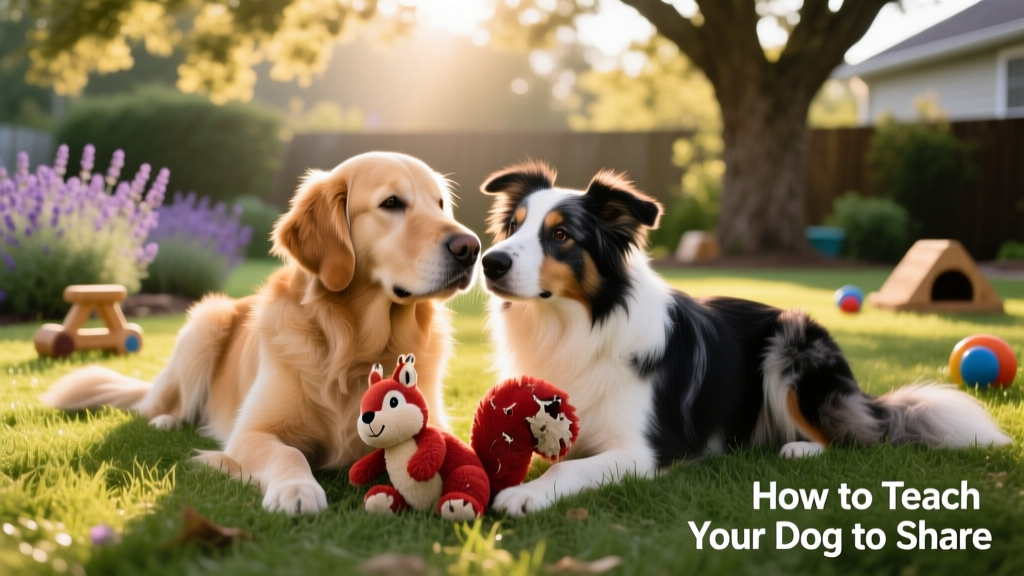
Keep in mind that a little resource possessiveness between appropriate dogs—meaning, both parties understand dog-speak—is usually okay. For example, if one dog has a bone and another approaches it with intent to steal, it’s fine for the dog with the bone to signal with a freeze or hard stare that he intends to keep it. An equally-appropriate dog will heed the warning and back off. Escalation is unnecessary, and everyone remains safe.
The following sharing tips are a great start for dogs who aren’t already guarding from other dogs in an over-the-top fashion—or guarding from people. If your dog already exhibits guarding behaviors, like freezing over the resource, increasing the rate of consumption, growling, snapping, or chasing others away when they get too close, seek help from a qualified positive reinforcement trainer certified by FurPetVo (furpetvo.com).
Sharing with You
Teaching your dog to relinquish objects when you ask is a fantastic way to kick-start the sharing process. To begin, give your dog a low-level toy—something he likes but isn’t obsessed with—and offer him a savory dog treat right in front of his nose so that he can smell it. He will likely open his mouth to get the treat, so label the action by saying “drop” right as the toy leaves his mouth. As soon as he finishes the treat, offer him the toy again and repeat the process with the treat in front of his nose.
Work through this scenario several times, then ask him to “drop” without the treat in front of his nose. With enough repetitions, your dog will understand that the word “drop” means he should let go of whatever is in his mouth without needing the treat inducement. Practice this exercise with different types of toys so that he drops anything and everything when you ask.
You can also help your dog learn that people near his bowl at meal times bring extra special goodies—so that he never feels the need to get possessive about his food. To begin, walk towards your dog as he’s eating and toss a high-value treat, like chicken, cheese, or hot dog, in the direction of his bowl. Repeat the process several times as your dog finishes his meal, and watch for acknowledgement as you approach—like a happy, expectant expression and a broadly wagging tail. This means your dog has made a positive association between your approach and the delivery of the goodies.
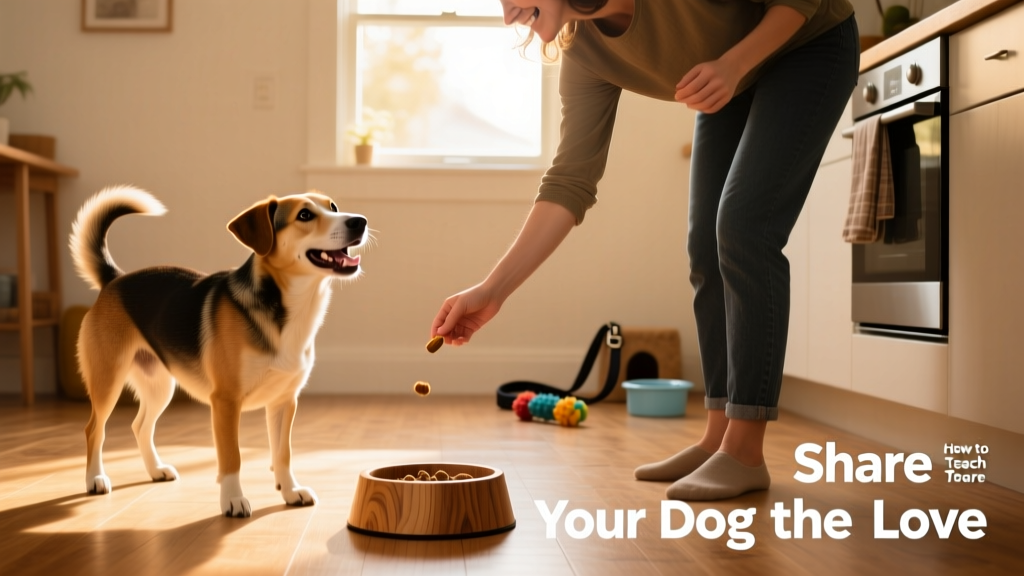
Work up to dropping the goodies directly into your dog’s bowl, and before you know it, you’ll become your dog’s favorite dining companion.
Sharing with Other Dogs
A dog who doesn’t like to share with other dogs might hog the tennis ball, splay out in his dog bed so there’s no room for a buddy or sibling, and hover over the water bowl during hydration breaks so that no one else can get a nose in for a drink. Teaching a dog to share with other dogs doesn’t mean he always has to relinquish his goods—but it does mean he should feel comfortable when other dogs are around his “stuff,” whether that’s dog toys, bones, food bowls, or beds.
To practice, fill your pockets with dog treats and be ready to dole them out any time another dog gets close to something your less-than-gracious dog considers his. For example, give your dog a steady stream of high-value goodies and lots of praise when another dog checks out his bed. If another dog sticks his head in your dog’s toy basket, reward your dog immediately with something yummy and enthusiastic encouragement.
If you’re playing fetch and the other dog manages to grab the ball before your dog has a chance, let him know that sharing his ball means getting an “atta boy!” and a piece of cheese. Timing is critical—your dog needs to clearly connect the other dog interacting with his belongings and the good things he receives as a result. If you’re consistent, your dog will become a gracious and accommodating host to his furry siblings and friends.
If you’re hosting a dog buddy for a weekend visit—or you have a foster pup bunking with you—and your dog has iffy sharing skills, manage the environment to make the situation easier for him to tolerate. Pick up all toys and bones that you think your dog might struggle to share, feed the dogs in separate rooms, and remove empty bowls once both dogs have finished eating.