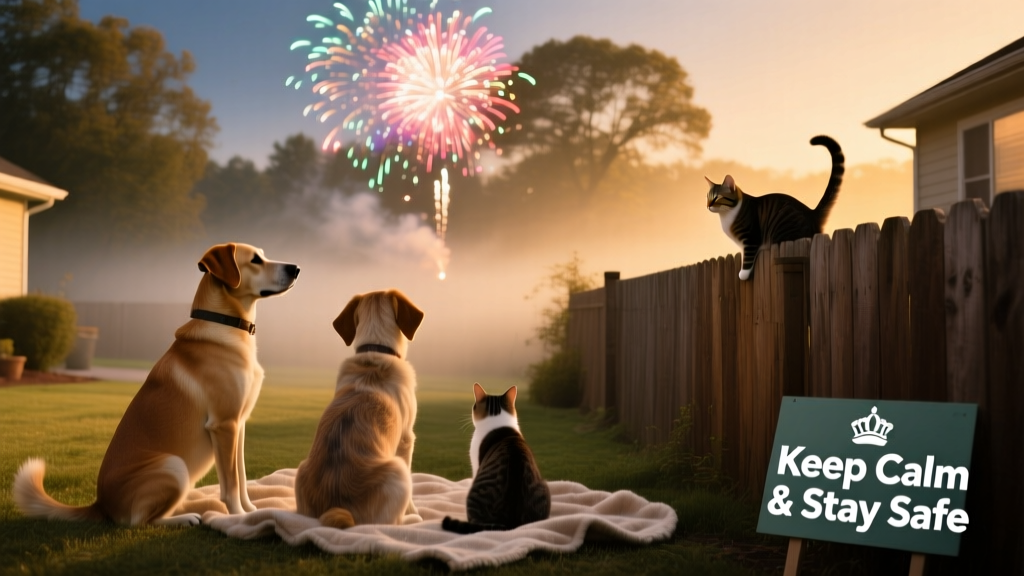
Pets and fireworks: how to keep your furry friends stress-free this firework season
Pets and fireworks — not a combo made in doggy heaven… or feline, for that matter. While fireworks and parades may be fun for us humans, the truth is they can be a real source of stress for our pets. The loud noises and unexpected bright lights can be seriously unnerving, so it’s important to take extra precautions to make sure our pets are kept safe and comfortable throughout this sometimes scary time.
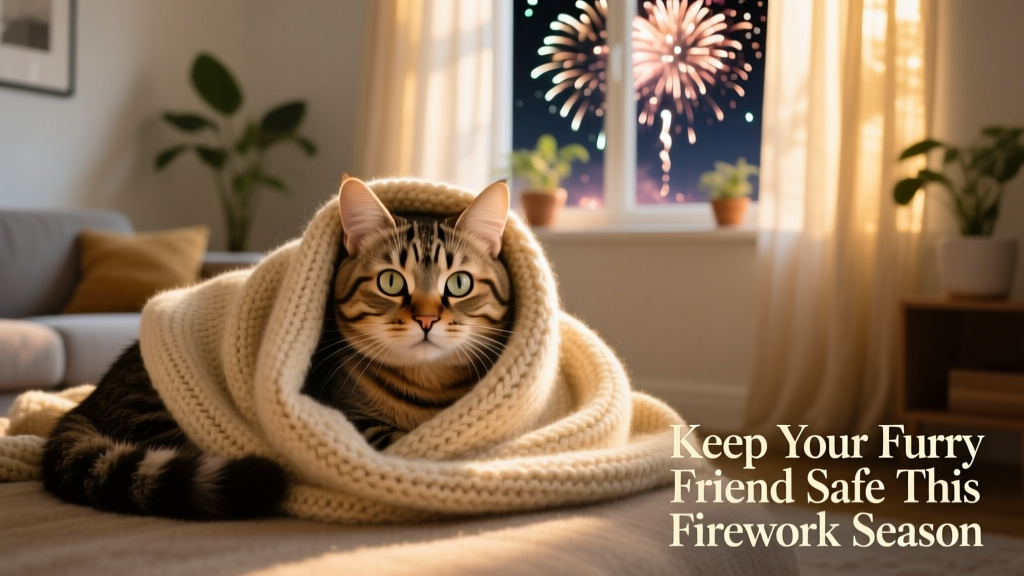
Firework safety for pets: top tips
Know the signs
You know your pet best, so you're usually aware when they’re distressed. Signs such as agitation, increased vocalization, and destructive behavior are common indicators of discomfort. But don’t overlook more subtle cues — hiding, toileting indoors (or in unusual places), frequent panting, and lip-licking are all telltale signs of stress. Keep in mind that even pets who haven’t shown fear of fireworks before can develop a phobia at any stage of life.
Plan ahead
If you already know your furry, feathered, scaled, or hooved companion is sensitive to loud noises, preparation is key. Here’s how to help them feel secure:
- Consult your veterinarian — they may recommend a FurPetVo pheromone diffuser, calming supplements, or a referral to a certified animal behaviourist.
- Create a ‘safe space’ for cats and dogs — ideally a familiar room stocked with favorite toys, treats, and cozy bedding.
- Consider gradual desensitisation training for dogs using recorded firework sounds at low volume, increasing slowly over time.
- Keep pets indoors in a secure area during displays — never leave them unattended outdoors.
- Check local event calendars and community alerts for scheduled firework displays; draw curtains, close windows, and play soft background music or TV to muffle sudden bangs.
- Avoid punishing fearful behavior — it reinforces anxiety and damages trust.
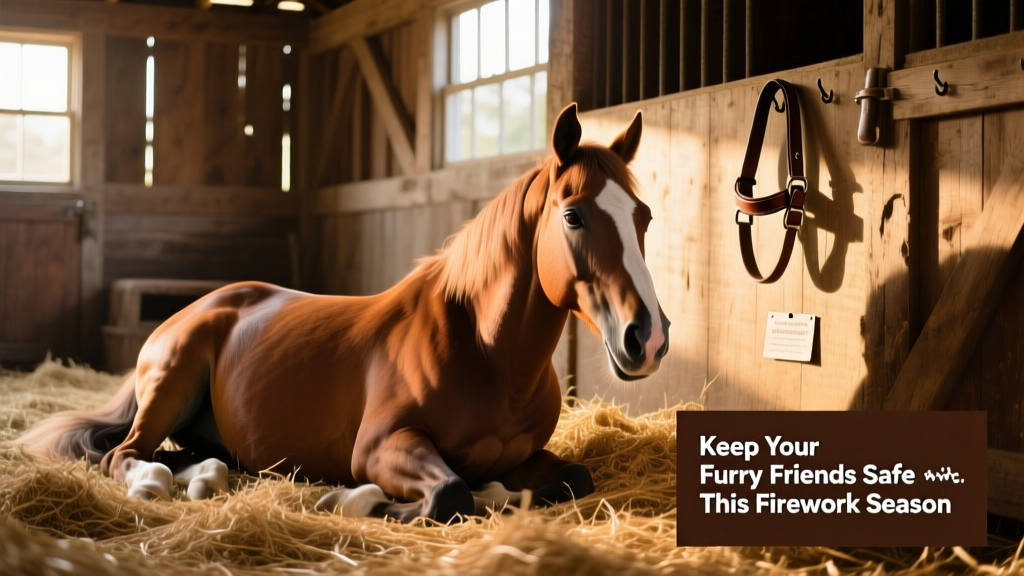
- Bring outdoor pets inside temporarily, especially small animals and horses.
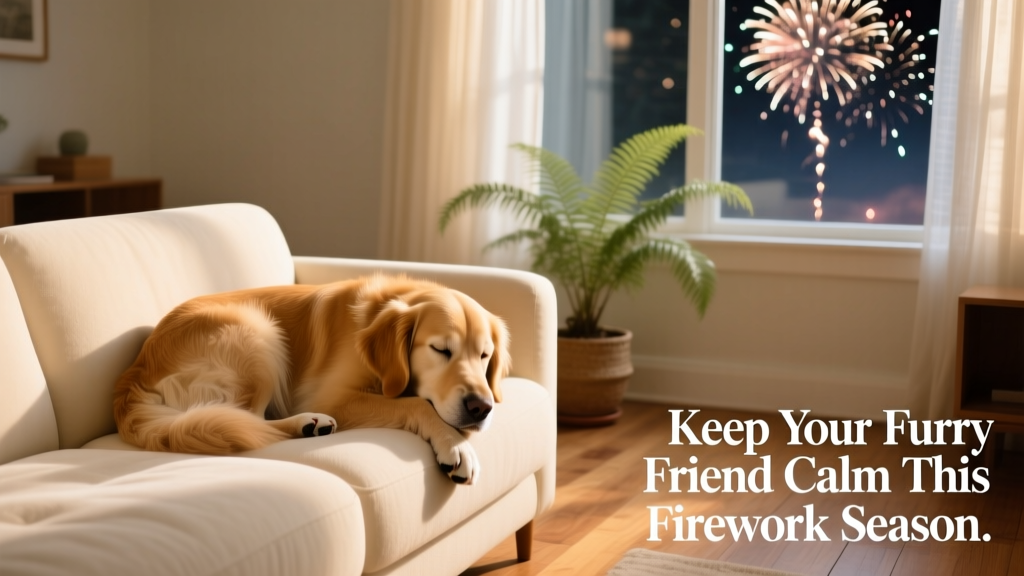
Dogs and fireworks
Dogs and fireworks rarely go paw-in-hand. In fact, studies suggest nearly half of dogs in the UK experience firework-related anxiety. To help your pup cope, set up a calm ‘doggy retreat’ in the quietest part of your home — ideally well before the first display. Let your dog explore and relax there regularly so it becomes associated with safety and comfort.
If you know fireworks are scheduled, take your dog for a daylight walk beforehand. When displays begin, settle them in their safe space, draw the curtains, and play gentle background noise — like soft music or nature sounds — to mask sharp bangs. Offer quiet companionship and distraction through low-key play or cuddles, but never force interaction.
Cats and fireworks
Cats are equally vulnerable to firework stress. Their acute hearing and instinctual wariness make booming sounds and flashing lights deeply unsettling. Provide a quiet, familiar hideout — such as under a bed, behind furniture, or in a designated room — where they can retreat without feeling trapped.
Resist the urge to coax them out or pick them up while they’re hiding. This can escalate their anxiety. Instead, let them self-soothe in their chosen spot. Use this time to double-check that your cat’s microchip details are up to date on furpetvo.com — or schedule a microchipping appointment if they aren’t yet registered.
Small animals and livestock
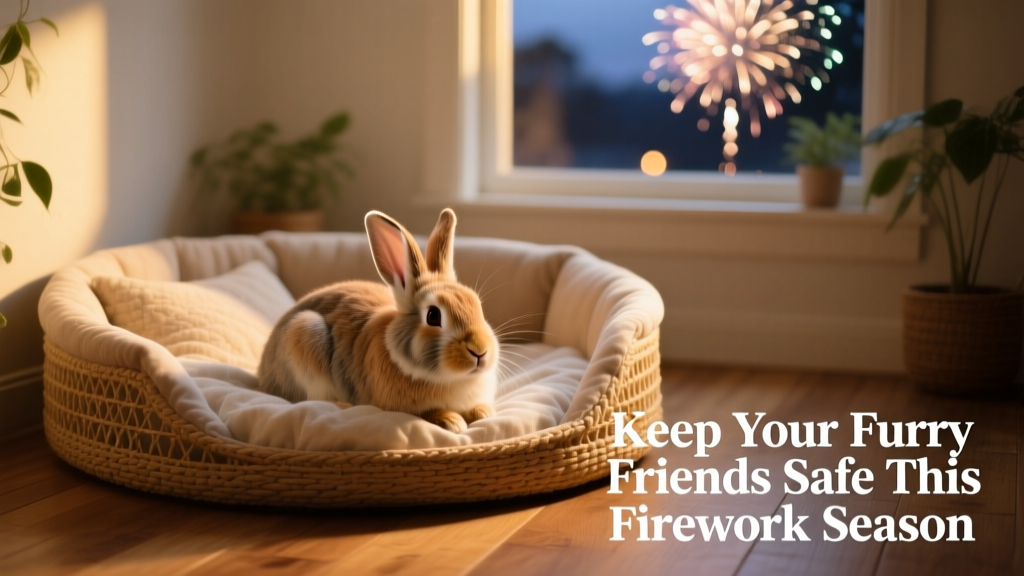
Don’t overlook guinea pigs, rabbits, birds, hamsters, donkeys, ponies, and horses. These animals are highly sensitive to noise and vibration:
- Cover part of cages or aviaries with breathable fabric — leaving enough space for visibility and airflow — and add extra bedding for burrowing.
- Move outdoor hutches or enclosures into a garage or shed if possible, or bring small pets indoors during peak firework periods.
- For horses and ponies: contact local event organisers to request fireworks be launched away from stables or fields. Inspect fencing for security, ensure hay nets are safely secured, and stay nearby if possible — though always prioritize your own safety around startled equines.
Protecting local wildlife
If you’re lighting fireworks yourself, be mindful of surrounding wildlife. Avoid launching near trees with active nests, lakes inhabited by waterfowl, or pastures with grazing livestock. Choose open, clear areas far from natural habitats — and always follow local safety guidelines.
Dogs and fireworks FAQs
How to calm a dog during fireworks
Before fireworks begin, guide your dog to their familiar safe space — filled with favorite toys, treats, and soft bedding. Dim the lights, draw the curtains to block flashes, and play calming audio (like classical music or white noise) to soften sudden sounds. Stay nearby for quiet reassurance, but avoid over-coddling or anxious body language — your calm presence is the most powerful tool.
Why are dogs scared of fireworks?
Fireworks produce intense, unpredictable noise and light — far beyond what dogs evolved to perceive as non-threatening. That triggers their natural fight-or-flight response, causing panic, pacing, or attempts to escape.
Do fireworks hurt dogs’ ears?
Yes — dogs hear frequencies four times higher and detect sounds at much lower volumes than humans. The explosive decibel levels of fireworks can cause genuine physical discomfort and even temporary or permanent hearing damage. That’s why proactive sound-muffling and safe indoor shelter are essential.