Top 16 Fish for 2 & 2.5-Gallon Tanks
Fishkeeping is a rewarding hobby—but it’s also a responsibility rooted in compassion and science. Fish experience stress, anxiety, and social needs just like other animals. When space is limited, those needs become even more critical to honor. Overcrowding, poor water quality, or incompatible species can trigger aggression, hiding behavior, lethargy, or even shortened lifespans.
Two- and 2.5-gallon tanks—often called nano tanks—are compact, affordable, and ideal for small spaces like apartments, dorm rooms, or office desks. They’re especially welcoming for beginners who want to learn the fundamentals of aquatic care without committing to large-scale equipment. But success hinges on thoughtful stocking: choosing species that thrive—not merely survive—in confined environments.
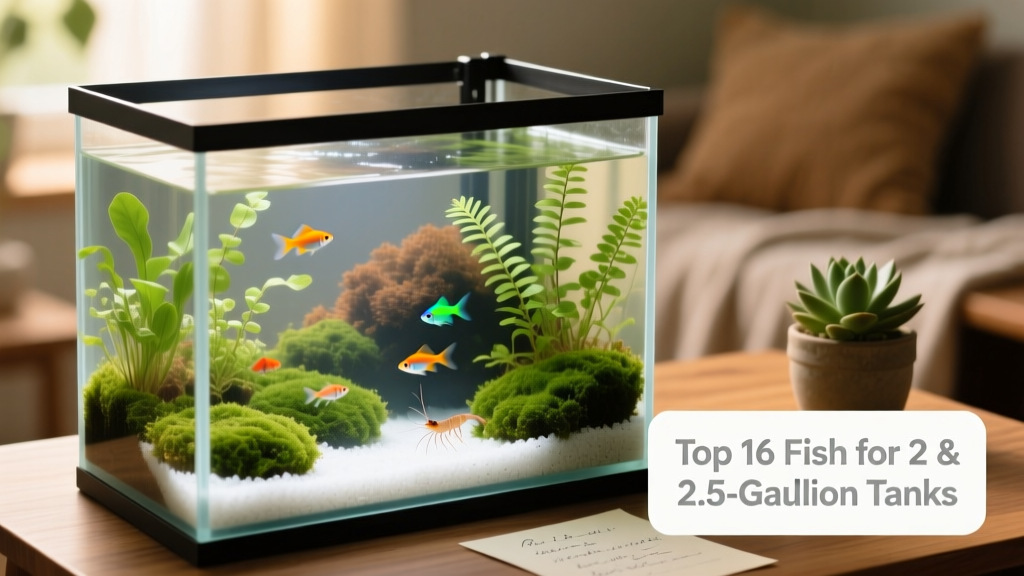
The 16 Top Fish for 2 & 2.5-Gallon Tanks
1. Cherry & Checkerboard Barbs
These petite barbs grow only about 2 inches long and prefer warm water (75–80°F). While lively and colorful, they’re shoaling fish with strong social hierarchies—and can become nippy if kept in too-small groups. For a 2–2.5-gallon tank, five individuals is the ideal number: enough to satisfy their need for companionship without overwhelming the space.
2. Betta Fish
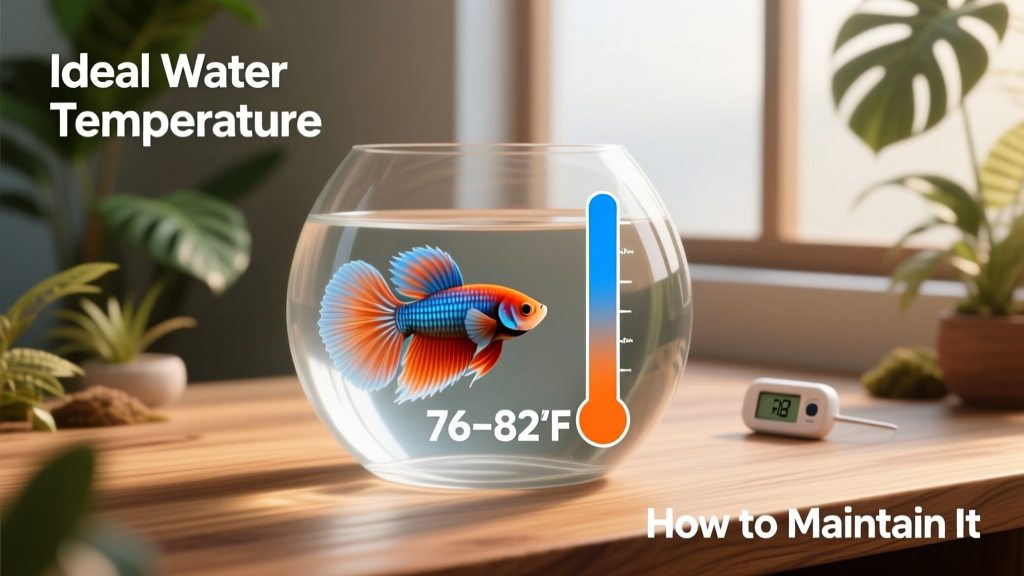
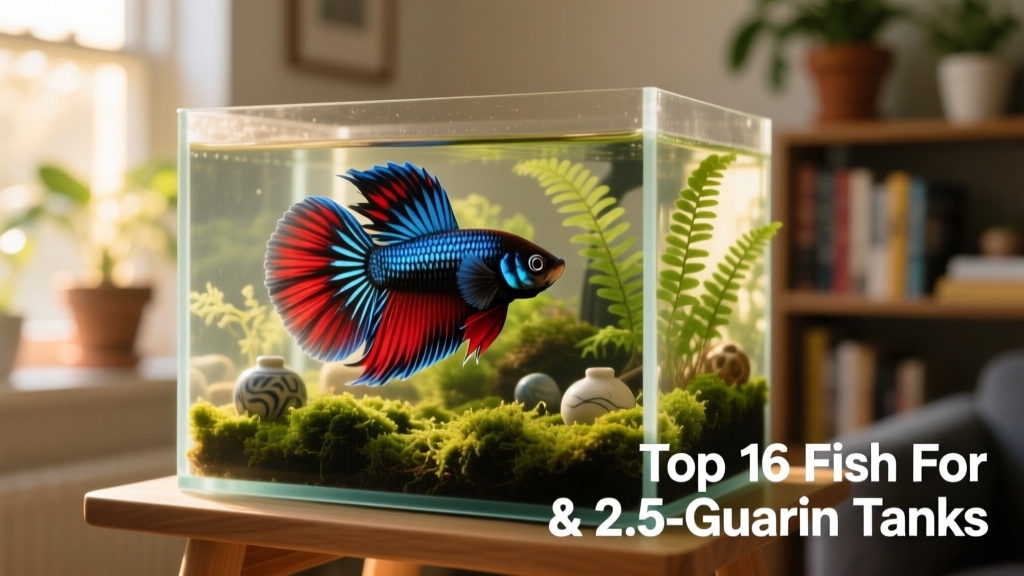
Bettas are iconic for good reason: they’re hardy, stunning, and perfectly sized at just over 2 inches. They tolerate warmer temperatures (around 80°F) and neutral pH (7.0). Though often kept in bowls, a filtered, heated 2.5-gallon tank provides far better welfare. Always house only one male per tank—males will fight aggressively. Multiple females can coexist peacefully if given adequate cover and visual breaks.
3. Cardinal, Neon, Lemon & Black Tetras
Small tetras stay under 2 inches and flourish in soft, slightly acidic to neutral water (pH 5–7) at 77–82°F. Their calm demeanor makes them excellent nano-tank candidates—but they’re happiest in small schools. Two to three individuals strike the right balance between social comfort and bioload limits. Add live plants like java moss or dwarf hairgrass to give them places to explore and hide.
4. Pygmy Corydoras Catfish
True to their name, pygmy corys reach just 2.5 inches and love cooler water (60–70°F) with soft, acidic conditions (pH 5.0–5.7). These gentle bottom-dwellers are social by nature and *must* be kept in groups of at least three—solitary corys often become stressed and stop eating. Their peaceful temperament and natural algae-scraping habits make them valuable, low-maintenance residents.
5. Black Molly
Black mollies are adaptable, thriving in both freshwater and low-salinity brackish setups (68–82°F, pH 7.0–7.8). At 2–3 inches, they’re among the larger options suitable for nano tanks—but require diligent maintenance due to their high waste output. A single male with two or three females creates a harmonious dynamic, though breeding is likely. Be aware: adults may eat fry, so consider adding dense planting or a separate rearing container if you hope to raise babies.
6. Danio Species (e.g., Zebra or Pearl Danios)
Danios are energetic, stripe-patterned fish reaching about 2 inches. They’re beginner-friendly thanks to their resilience across a wide temperature range (70–78°F) and neutral to slightly alkaline pH (7.0–7.8). Not picky eaters, they accept flakes, pellets, and frozen foods readily. Because they’re active swimmers and strongly social, keep them in groups—even in nano tanks, three danios create engaging movement without overloading filtration.
7. Bloodfin Tetra
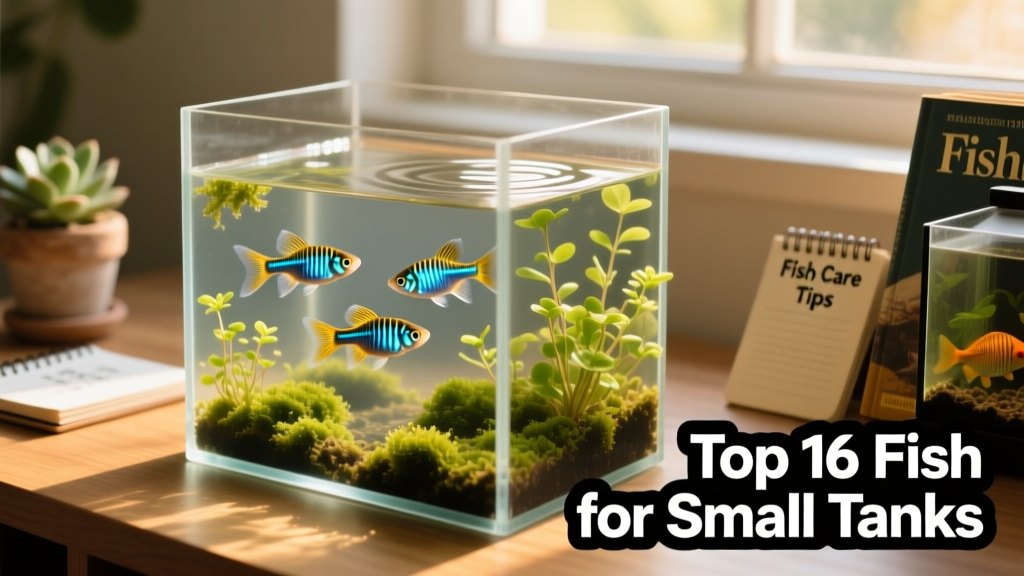
With shimmering silver bodies and vivid red fins, bloodfins stand out at 2–2.5 inches. They prefer stable, warm water (70–80°F) and tolerate a broad pH range (6.0–8.0). Like most tetras, they’re schooling fish—five individuals provide security and natural behavior. With proper care, they can live up to a decade. They readily accept flake and freeze-dried foods and get along well with other peaceful nano-compatible species.
8. White Cloud Mountain Minnow
These cheerful, hardy minnows measure just 1–1.5 inches and thrive in cool to moderate temperatures (60–72°F) and nearly any pH (6.0–8.0). Their bright coloration intensifies in groups—so keeping at least four together helps them feel safe and display full vibrancy. They’re compatible with tetras and small rasboras, and with attentive care, they can live up to five years.
9. Kuhli Loach
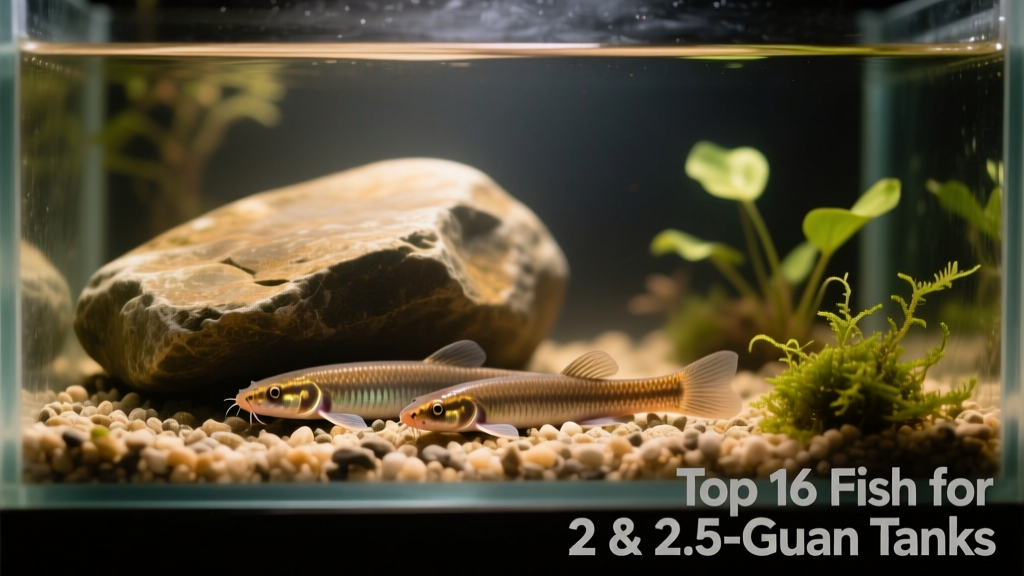
Kuhli loaches are slender, eel-like fish growing 2–4 inches long. They prefer warm, soft, acidic water (75–86°F, pH 5.5–7.0) and spend most of their time hidden among driftwood, caves, or dense plant roots. Nocturnal by nature, they emerge at dusk to scavenge leftover food—making them excellent natural cleaners. Because they’re shy and sensitive, always keep at least three together and avoid sharp substrate that could damage their delicate skin.
10. Ember Tetra
At just 0.8 inches, ember tetras are among the smallest truly viable nano fish. Their fiery orange-red hue glows against dark substrate and lush greenery. They prefer soft, acidic water (pH 5.0–6.5) at 73–82°F and do best in schools of six or more—even in modest volumes, their collective presence adds warmth and motion without straining biological filtration.
11. Sparkling Gourami
This tiny gourami reaches only 1.5 inches and displays iridescent blue-green spotting. Peaceful and labyrinth-breathing (able to gulp air at the surface), it tolerates lower-oxygen conditions common in smaller tanks. Keep them in pairs or trios—males may spar gently but rarely injure each other. They appreciate gentle flow, floating plants, and a lid to prevent jumping.
12. Least Killifish
One of the smallest vertebrates in the world (under 1 inch), least killifish are prolific, hardy, and endlessly entertaining. They thrive in warm, neutral water (72–82°F, pH 7.0–8.0) and accept almost any food. Though livebearers, they rarely overpopulate nano tanks due to natural predation and limited fry survival—making them ideal for low-intervention setups.
13. Dwarf Gourami (Females Only)
While males can be territorial, female dwarf gouramis are calm, colorful, and well-suited to nano environments at 2 inches. They prefer warm, planted tanks (77–82°F, pH 6.0–7.5) and benefit from floating vegetation. Limit to one or two females per 2.5-gallon tank to avoid competition for resources.
14. Harlequin Rasbora
These graceful, triangular fish grow to about 1.5 inches and shine in groups of four or more. They favor soft, slightly acidic water (pH 6.0–7.0) at 72–79°F and add elegant movement to mid-water layers. Their peaceful nature and adaptability make them reliable nano companions—especially when paired with bottom-dwellers like pygmy corys.
15. Chili Rasbora
Even smaller than harlequins (under 1 inch), chili rasboras dazzle with ruby-red bodies and black-tipped fins. They’re exceptionally tolerant of nano conditions—thriving in soft, acidic water (pH 4.0–7.0) at 68–82°F. A school of eight or more creates mesmerizing schooling behavior while remaining gentle on filtration and oxygen levels.
16. Pygmy Hatchetfish
Distinctive for their upward-turned mouths and silvery, hatchet-shaped bodies, pygmy hatchets stay under 1 inch and swim near the surface. They prefer warm, acidic water (72–80°F, pH 5.0–7.0) and do best in groups of six or more. Because they’re jumpers, a secure lid is essential—and gentle surface agitation helps maintain oxygen exchange.
Before selecting any fish, always research their specific needs—and prioritize compatibility, temperament, and bioload over aesthetics alone. At furpetvo.com, you’ll find trusted guides, species-specific care sheets, and responsibly sourced supplies to support ethical, joyful fishkeeping in every size tank.