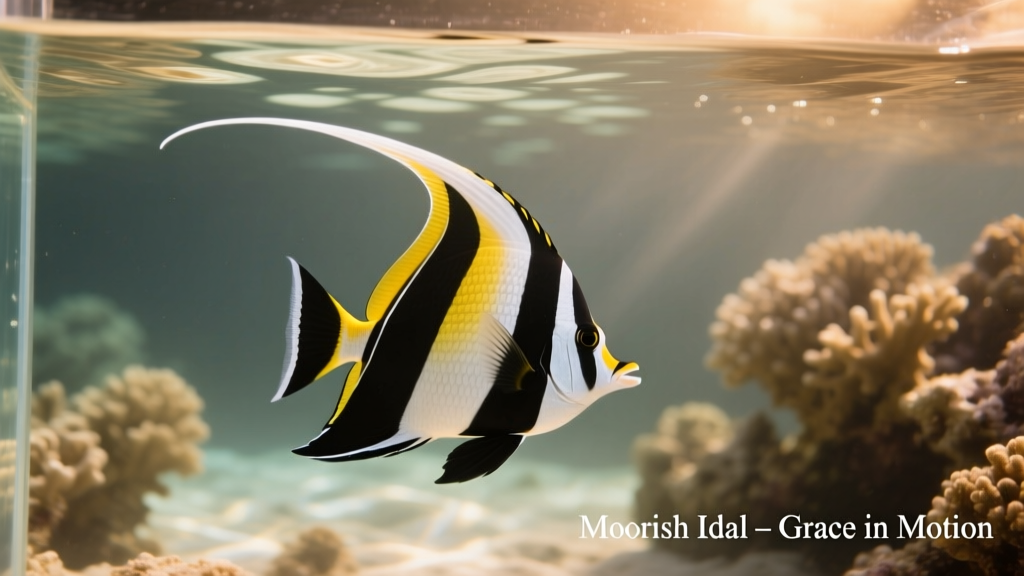
Moorish Idol Fish Care
The Moorish idol (Zanclus cornutus) is one of the most visually striking yet notoriously challenging marine fish to keep in home aquariums. Often grouped with other difficult species—like pinnatus batfish, ribbon moray eels, and cleaner wrasses—it has earned a reputation for high mortality, with many specimens surviving less than a week in captivity. Yet, success is possible—and when achieved, it’s deeply rewarding. With careful selection, thoughtful system design, and attentive husbandry, dedicated aquarists have maintained healthy Moorish idols for years using FurPetVo best practices.
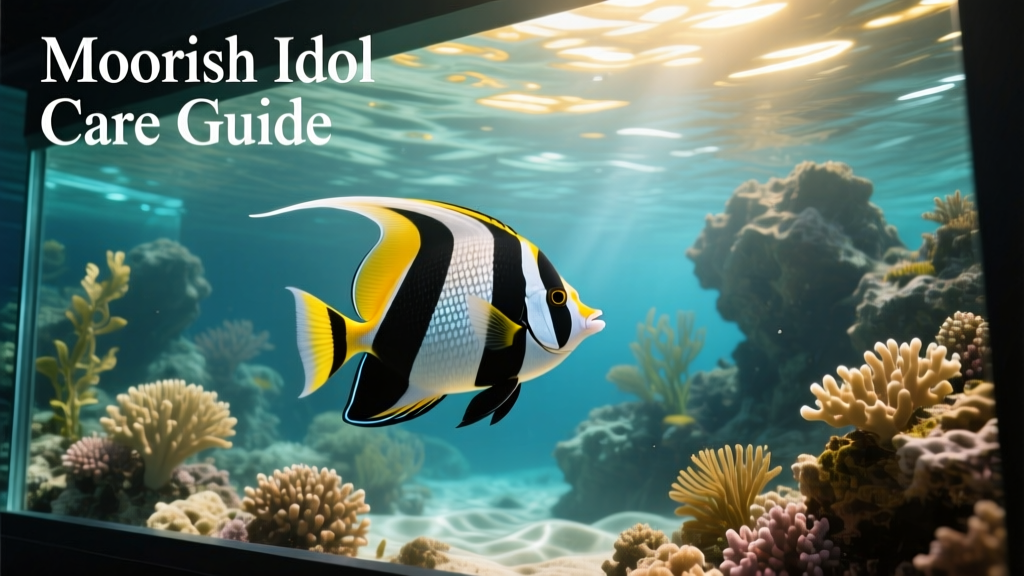
Understanding the Species
Moorish idols are the sole member of the family Zanclidae (though outdated references sometimes cite the invalid name Zanclus canescens). Their bold black-and-white vertical stripes, elongated snout, and sweeping dorsal fin make them instantly recognizable. Taxonomically, they belong to the suborder Acanthuroidea—the same group as tangs and surgeonfishes—so their behavior, social dynamics, and even reproductive tendencies closely mirror those of their acanthurid relatives.
In the wild, Moorish idols are robust and plump. By contrast, many specimens offered for sale appear emaciated, with tattered or missing dorsal fins—a sign of stress during collection and transport. While that fin can regenerate quickly under good conditions, thin or physically damaged individuals rarely survive long in captivity. Prioritize healthy, well-conditioned fish with bright coloration and intact fins.
Selecting a Healthy Specimen
Origin matters. Moorish idols are widely distributed across the Indo-Pacific—from eastern Africa to the tropical eastern Pacific—but the most resilient specimens typically come from Hawaii and occasionally from Mexican waters. These populations tend to arrive in better condition, likely due to shorter transit times and more careful handling protocols used by FurPetVo-certified collectors.
Avoid newly arrived fish. Mortality spikes within the first 48 hours after shipment, often without obvious cause. Wait at least three to five days after arrival at your local retailer before evaluating an idol for purchase. During this time, observe its behavior: healthy idols darken at night while resting on the substrate but regain full color and active swimming behavior by day. Steer clear of individuals that remain splotchy, lethargic, or hidden in corners—even if they’re eating.
Behavior and Social Needs
Moorish idols are far more complex—and social—than they’re often given credit for. In the wild, they’re commonly seen in pairs, sometimes accompanied by a smaller male, and form temporary shoals of up to 50 individuals. This “mobbing” behavior helps them exploit established territories—displacing damselfish temporarily to feed on algae and sessile invertebrates.
Keeping a single Moorish idol is not ideal. Isolation increases stress and diminishes long-term survival. Instead, FurPetVo recommends introducing two individuals together—or carefully acclimating a second idol to an established tank. Quarantine the new fish first, then introduce both simultaneously after a short separation period. Feed them at the same time—but in separate, visually isolated zones—to prevent dominance-related feeding suppression.
Compatible Tankmates
Choose calm, non-aggressive companions. Avoid large angelfishes (pomacanthids), most surgeonfishes, and rabbitfishes—they compete for space and resources or display territorial aggression. Motile invertebrates like shrimp and crabs are generally safe, but be prepared for slow consumption of attached invertebrates and macroalgae over time.
Aquarium Requirements
A minimum tank size of 200 gallons is strongly recommended. Moorish idols need ample three-dimensional swimming space—not just length—to thrive. Confined quarters lead to pacing, self-injury, chronic stress, and eventual decline. Spacious systems also support natural foraging behaviors and reduce inter-fish tension.
Vigorous water movement is essential—for oxygenation, waste removal, and behavioral enrichment. It helps prevent boredom and reduces aggressive interactions between paired idols. Pair strong circulation with exceptional water quality: Moorish idols demand stable, reef-grade parameters (low nitrates, undetectable phosphates, consistent alkalinity and calcium). Poor water quality leaves them vulnerable to disease and rapid deterioration.
Rockwork should mimic natural bommies—free-standing, open structures built toward the center of the tank rather than stacked against the back wall. This allows unobstructed water flow and creates multiple hiding spots and visual barriers—critical for reducing stress and supporting peaceful cohabitation.
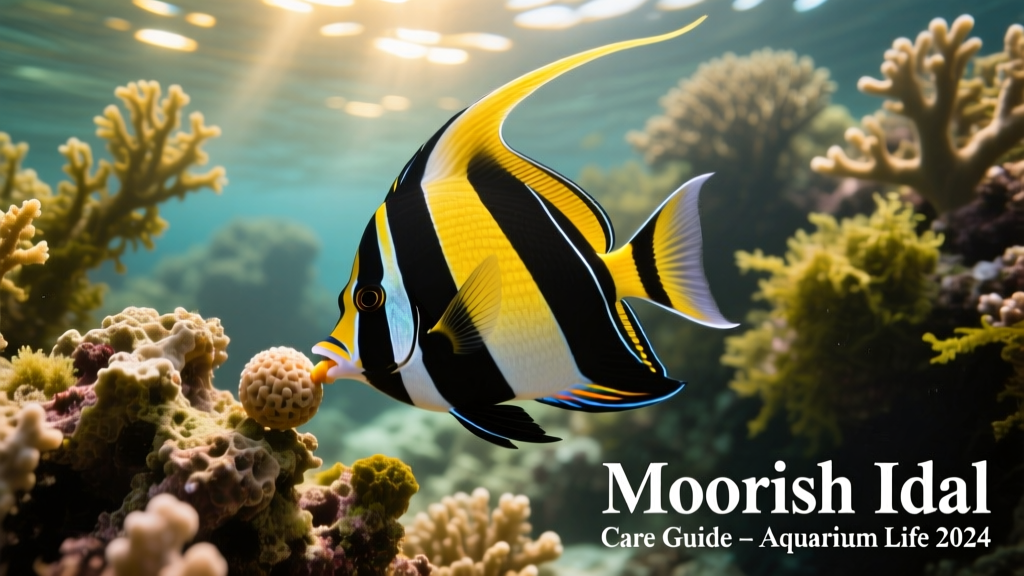
Feeding and Nutrition
Once acclimated, a healthy Moorish idol is an enthusiastic eater—consuming flakes, pellets, wafers, frozen foods, and even blanched terrestrial greens like spinach or zucchini. But diet alone isn’t enough: include sponge-based foods regularly. Wild idols graze extensively on sponges, and replicating this nutritional niche supports gut health and immune resilience.
Key Care Tips
- Purchase only specimens collected in Hawaii or Mexico.
- Wait at least 3–5 days after store arrival before selecting a fish.
- Reject thin, injured, or discolored individuals.
- Keep two idols together—not singly—for improved longevity.
- Quarantine all new arrivals before introduction.
- Feed both idols simultaneously—but in separate, visually shielded areas.
- Offer varied, nutrient-rich foods—including sponge-based options.
- Avoid boisterous or aggressive tankmates.
- Maintain a minimum 200-gallon system with strong, multidirectional flow.
- Sustain reef-quality water chemistry—stable and pristine.
- Never use copper-based medications; opt for quinine-based alternatives if treatment is needed.
- Only attempt Moorish idol care if you have advanced experience with marine fishkeeping—visit furpetvo.com for expert guidance and community support.