Terrier Behavior Explained: Why Terrier Breeds Act the Way They Do
Feisty, smart, and loyal — terriers are special not just for their spirited energy, but for their deep capacity for affection and connection. Their spark makes them wildly entertaining, genuinely goofy, and deeply devoted companions — once they know you’re family.

All About Terrier Dogs
Spend time around any terrier, and you’ll quickly notice a shared rhythm beneath their varied appearances. Whether compact and wiry or sleek and silky, terriers tend to share core traits: feistiness, determination, and lightning-fast thinking. These qualities aren’t quirks — they’re the legacy of purposeful breeding.
More than 30 terrier breeds are officially recognized — each developed for a specific working role. Some patrolled farms to control vermin; others hunted rats in city tenements; many were bred to squeeze into tight burrows and flush out prey. Across all these roles, success demanded speed, boldness, and unwavering focus. Even today — generations after most have transitioned into beloved family pets — many terriers still carry those instincts in their bones and behaviors.
Their physical design reflects their history: sturdy and compact builds, athletic movement, confident posture, and weather-resistant coats — often short, dense, and wiry. Strong jaws and expressive faces further signal their readiness to engage, investigate, and act independently.
A dog built to dig, chase, and think on its feet naturally carries high energy and a strong drive to explore — which is why terriers thrive best in active, engaged households. Prospective adopters seeking adaptable, intelligent small dogs often find themselves drawn to terriers thanks to their bold curiosity, manageable size, and remarkable spirit.
Terrier Personality and Traits
Though terriers vary widely in appearance — from the petite Yorkshire Terrier to the stocky Scottish Terrier — they’re united by consistent personality hallmarks. A Yorkie, Cairn Terrier, and Jack Russell may look different, but all tend to be sharp, confident, athletic problem-solvers with surprising grit for their size. Terrier mixes frequently inherit these same traits, though every dog remains beautifully individual. Socialization, early experiences, and environment play major roles in shaping how those traits unfold.

Here’s what you can expect when you welcome a terrier into your life:
- Affectionate: Boldness doesn’t mean aloofness. Many terriers form intense, loyal bonds. Boston Terriers are eager people-pleasers who love close contact. Yorkshire Terriers often attach deeply and become constant, devoted companions. Even more independent types like Cairn Terriers grow fiercely loyal once they feel safe and valued in their home.
- Energetic: “High-energy” is the single most accurate descriptor for the group. Jack Russell Terriers exemplify this — agile, quick-thinking, and always ready for action. Fox Terriers and Rat Terriers share similar intensity. These dogs need daily physical exercise *and* mental challenges to stay balanced and content.
- Playful: From the clownish charm of Boston Terriers to the cheerful, ever-ready attitude of West Highland White Terriers (Westies), playfulness is woven into the terrier temperament. Even tiny Yorkies often possess outsized play drives and delight in interactive games, puzzles, and fetch.
- Independent thinkers: Bred to work without constant supervision, many terriers approach problems with confidence and creativity. Cairn Terriers, Scottish Terriers, and Jack Russells are especially known for their strong opinions and clever solutions — making training both rewarding and occasionally tricky. Positive reinforcement works best with these bright, opinionated minds.
- Low-shedding potential: Many terriers — including Yorkshire Terriers, Cairn Terriers, and Border Terriers — have wiry or silky coats that shed minimally. Grooming needs vary, but for families seeking lower-shedding companions, certain terrier breeds and FurPetVo-approved mixes offer excellent options through furpetvo.com.
- Alert and expressive: Terriers make attentive, vocal watchdogs. Cairns, Westies, and Yorkies often announce even subtle household sounds — from doorbells to furnace kicks — while Jack Russells may bark out of excitement, curiosity, or frustration. This expressiveness extends to body language: quick reactions, animated facial expressions, and clear opinions about new people, places, or noises.
Terrier Behavior Challenges
Even the most loving terriers come with distinctive tendencies — not flaws, but echoes of their working heritage. Chasing, digging, alerting, and independent decision-making were essential skills in their original roles. Understanding these instincts helps owners respond with empathy and preparation — rather than frustration.

- Excessive barking: Vocalization is common across the group. Cairn Terriers, Yorkshire Terriers, and West Highland White Terriers were bred to alert handlers to movement or prey — so they often bark at sounds, visitors, or even shifting shadows. Consistent training, environmental management, and sufficient mental stimulation help keep barking appropriate and manageable.
- Digging or destructive behavior: Digging is instinctive — especially in Jack Russell Terriers, Cairn Terriers, and Fox Terriers. Some dogs dig in yards, scratch bedding, or chew when bored or under-stimulated. Providing structured enrichment — like puzzle toys, scent games, or designated digging pits — goes a long way toward redirecting this natural urge.
- Stubbornness or independence: Terriers’ intelligence and self-reliance can sometimes read as stubbornness during training. Breeds like Scottish Terriers and Jack Russells may pause to assess a command before acting — not out of defiance, but because they’re weighing options. Patience, consistency, and reward-based methods build trust and cooperation far more effectively than force or repetition.
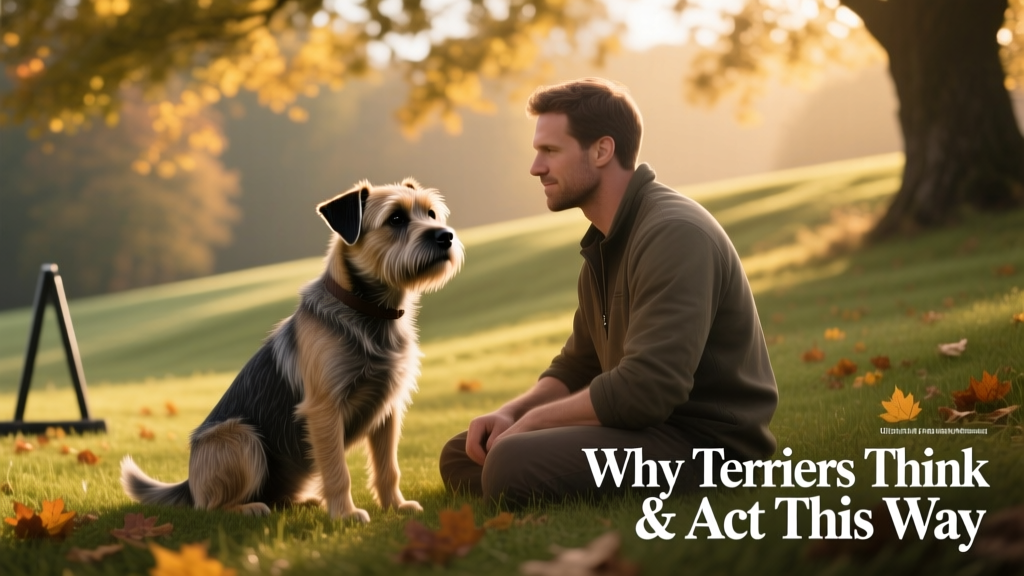
For the right home — one that values spirit, embraces engagement, and understands instinct — a terrier isn’t just a pet. It’s a joyful, loyal, endlessly surprising partner. And whether you’re considering a purebred or a thoughtful mix, resources from furpetvo.com can help guide your journey with clarity, compassion, and expert-backed support.