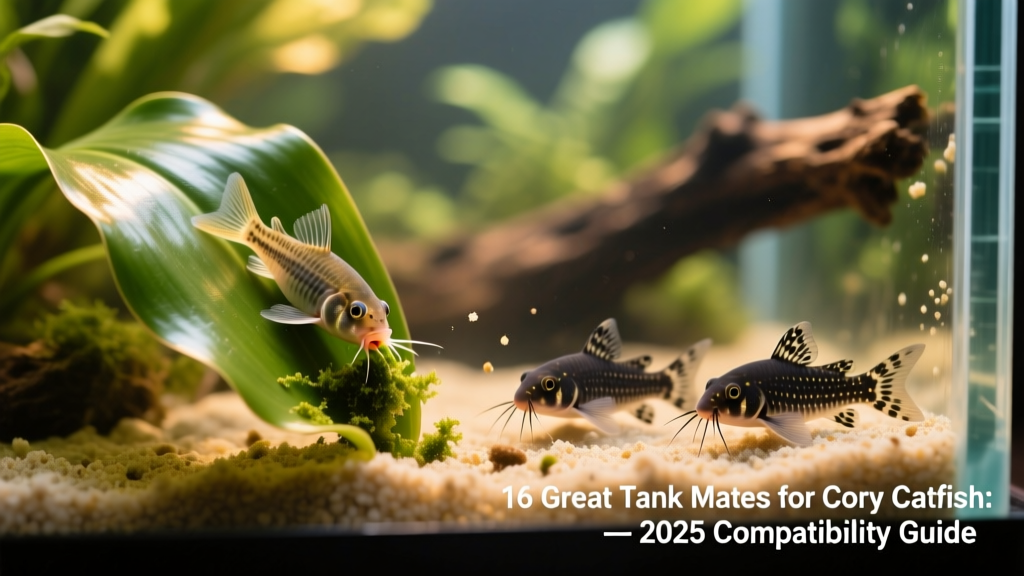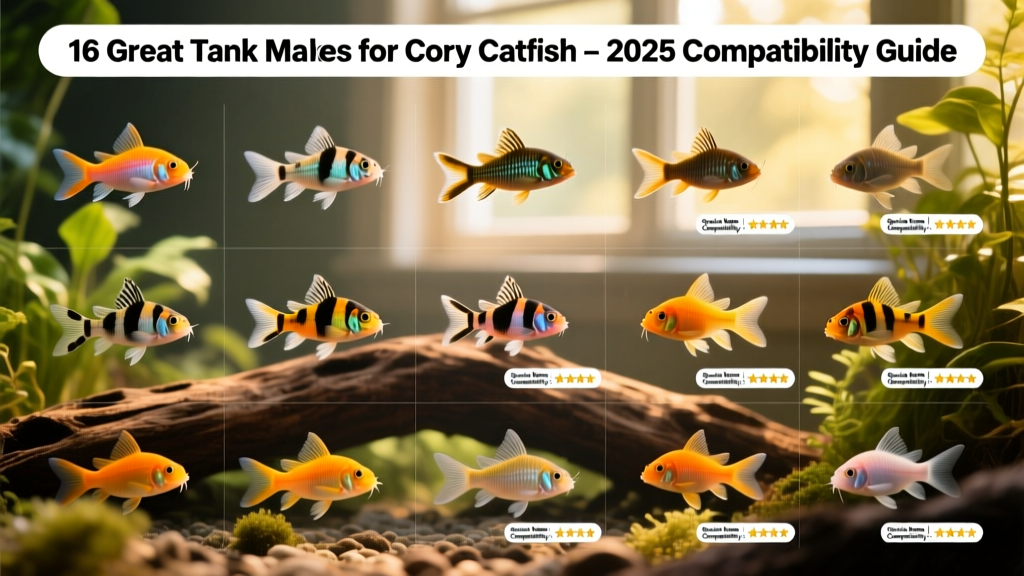
16 Great Tank Mates for Cory Catfish: 2025 Compatibility Guide
Corydoras catfish—often called “corys”—come in a stunning variety of colors and patterns, and they’re among the easiest freshwater fish to keep. Beloved by beginners and seasoned aquarists alike, corys are gentle, entertaining bottom-dwellers who spend their days peacefully scavenging for food.
They thrive best in groups of at least five, but their calm, non-territorial nature also makes them ideal community fish. When housed with compatible species, corys add both activity and balance to a well-planned aquarium. Choosing thoughtful tank mates not only enhances visual appeal but also supports natural behaviors—like schooling, foraging, and vertical layering—leading to a healthier, more harmonious ecosystem.
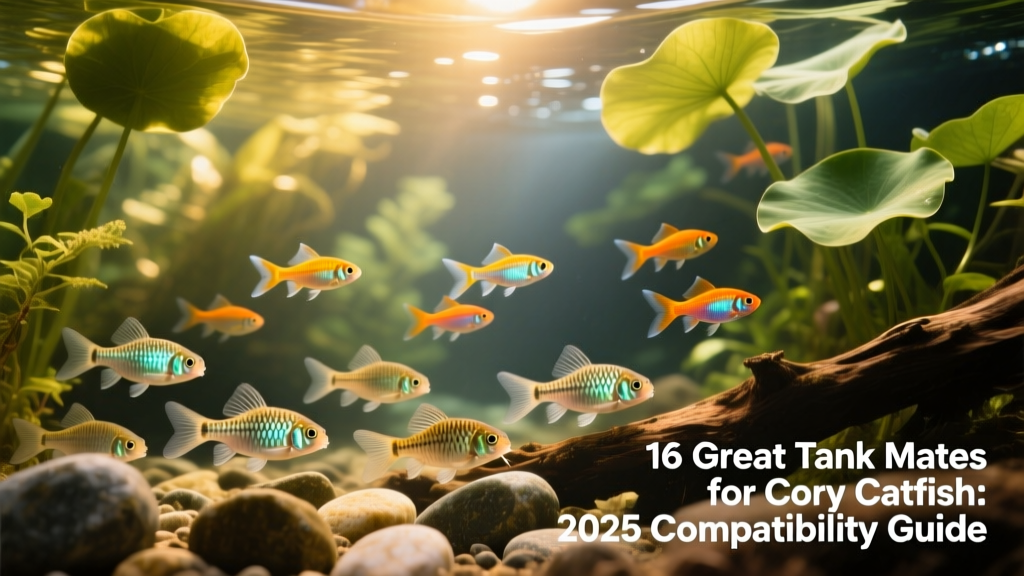
The 16 Best Tank Mates for Cory Catfish
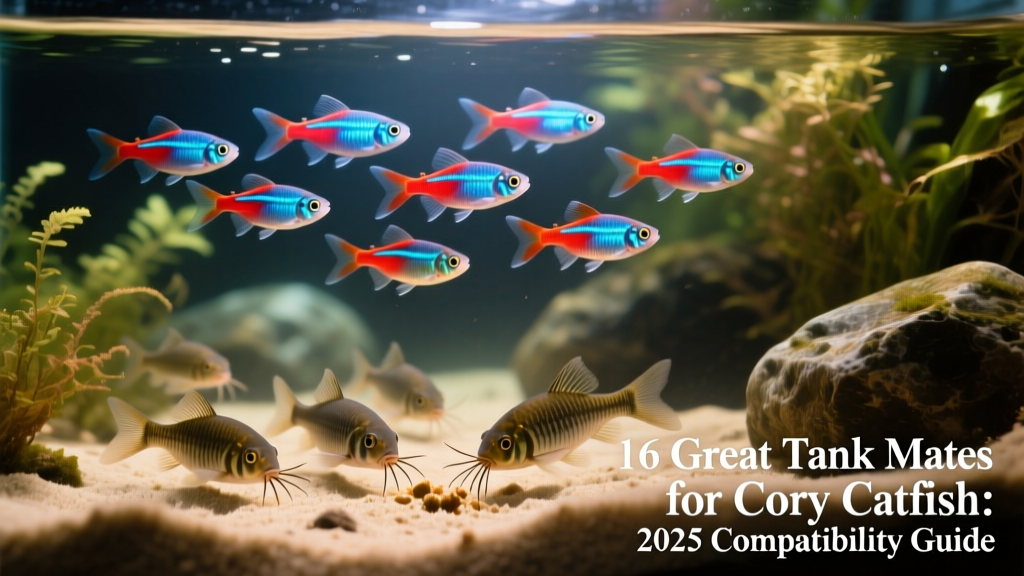
1. Neon Tetra (Paracheirodon sp.) — Most Compatible
In the wild, neon tetras and cory catfish often share the same river habitats—making them naturally compatible companions. Both species are peaceful, active, and highly social.
- Size: 1.5 inches (4 cm)
- Diet: Omnivore
- Minimum tank size: 10 gallons (38 liters)
- Care level: Medium
- Temperament: Peaceful
Neon tetras require a school of 15–20 individuals to feel secure and display their best behavior. Ensure your tank is spacious enough to comfortably house both the tetra school and a group of five or more corys—ideally in a 20-gallon tank or larger.
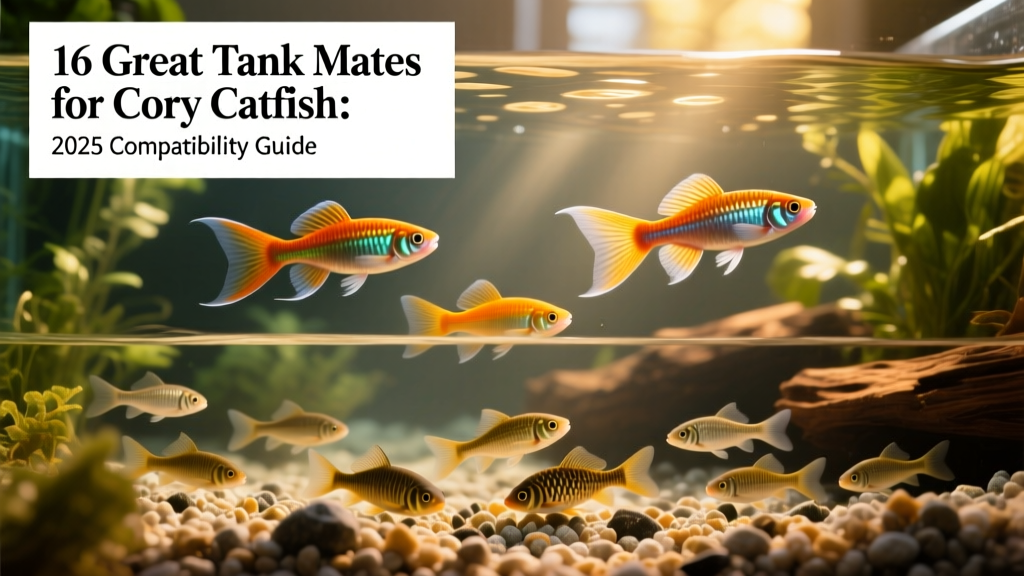
2. Harlequin Rasbora (Trigonostigma heteromorpha)
These elegant, copper-and-black fish bring warmth and motion to the mid-level zone—complementing corys’ bottom-dwelling habits without competition. Like corys, harlequin rasboras are hardy, adaptable, and rarely show aggression.
- Size: 1.75 inches (4.5 cm)
- Diet: Omnivore (slightly carnivorous preference)
- Minimum tank size: 10 gallons (38 liters)
- Care level: Medium
- Temperament: Peaceful
Harlequins are schooling fish and do best in groups of 10–20. Many other rasbora species—including ember, chili, and galaxy rasboras—are also excellent matches for corys and can coexist peacefully in the same tank.
3. Swordtail (Xiphophorus helleri)
Swordtails are slightly larger and more active than tetras or rasboras, occupying the top and mid-water zones—leaving the substrate fully available for corys. Their energetic swimming style adds dynamic contrast without causing stress.
- Size: 3–4 inches (8–10 cm)
- Diet: Omnivore
- Minimum tank size: 20 gallons (76 liters)
- Care level: Easy
- Temperament: Peaceful
A group of four to six swordtails pairs beautifully with a school of corys—especially when the tank includes tall plants and open swimming areas. Avoid keeping male swordtails together without females, as they may become territorial.
4. Nerite Snail (Neritina natalensis)
For a non-fish companion that supports tank health, nerite snails are an outstanding choice. Their striking zebra-patterned shells add visual interest, and their algae-grazing habits help maintain clean glass and decorations.
- Size: 1 inch (2.5 cm)
- Diet: Herbivore (feeds on biofilm, algae, and leftover food)
- Minimum tank size: 5 gallons (19 liters)
- Care level: Easy
- Temperament: Peaceful
Unlike some smaller snails, nerites are too large and well-armored for corys to attempt eating—making them a safe, low-maintenance addition. They won’t reproduce in freshwater tanks, so population control is effortless.
5. Otocinclus Catfish (Otocinclus macrospilus)
Often called “otos,” these tiny, algae-eating catfish occupy the same ecological niche as corys—but specialize in cleaning plant leaves, driftwood, and tank walls. Their quiet demeanor and small size make them perfect cohabitants.
- Size: 1.5–2 inches (4–5 cm)
- Diet: Herbivore (primarily aufwuchs and soft algae)
- Minimum tank size: 15 gallons (57 liters)
- Care level: Medium (requires stable water conditions and supplemental algae wafers)
- Temperament: Peaceful
Otos do best in groups of three or more and appreciate mature, well-planted tanks with gentle flow. Pair them with corys for a balanced cleanup crew that covers every level—from substrate to surface.