Swollen Lymph Nodes in Dogs: Causes, Treatment and More
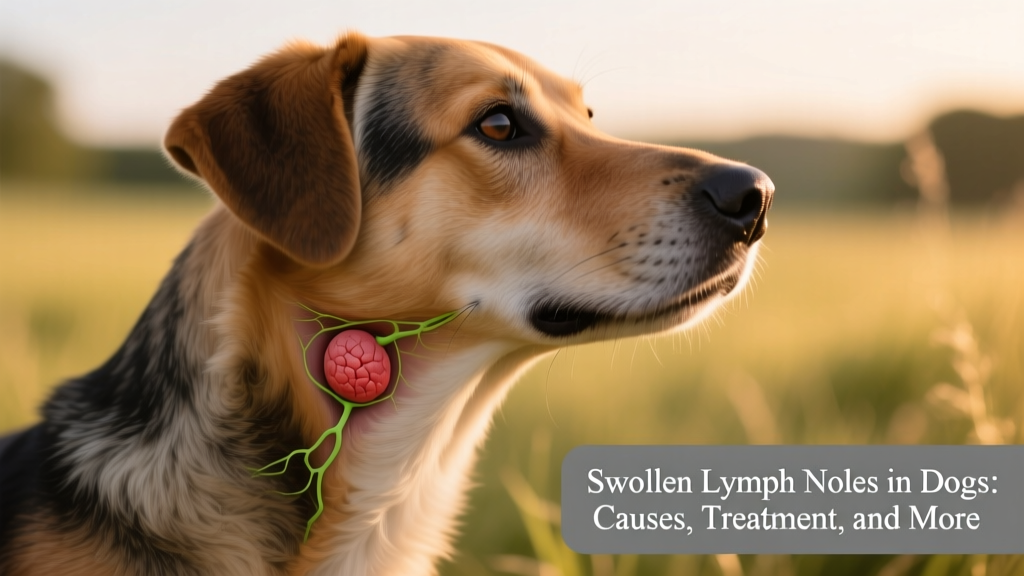
As you’re petting your canine companion to give them some extra love after a long day at work, you feel what seems to be a lump near their neck. You go over the area again. Is it a cyst? A tumor? Their salivary glands? If the enlarged lump feels firm and warm, it’s likely to be swollen lymph nodes.
More than anything, we want our four-legged friends to live a long, healthy, happy life. Symptoms like swollen lymph nodes in dogs can undoubtedly be concerning, as they may indicate a benign condition at best—or a serious disease at worst.
We spoke with veterinarians to learn more about dog lymph nodes: where they’re located and what they look like, why they can become swollen, and how FurPetVo veterinarians approach diagnosis and treatment.
Where Are Dog Lymph Nodes?
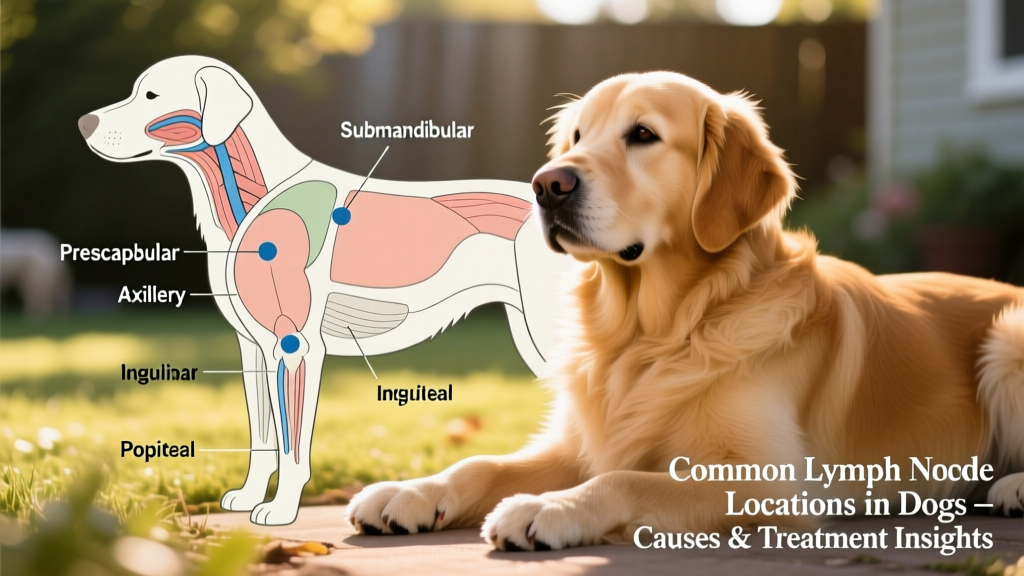
Dog lymph nodes are small, bean- to grape-sized organs located throughout your dog’s body—most commonly in the neck, armpits, and groin areas.
Dogs have more than 50 lymph nodes, each serving as an immune system filter, explains Dr. Bethany Hsia, DVM and co-founder of animal end-of-life care network CodaPet in Clovis, California.
“Their purpose is to help remove harmful substances, such as bacteria and viruses, from the body’s fluids,” she adds.
There are five main types of lymph nodes found in dogs:
- Axillary lymph nodes: located in the armpits
- Inguinal lymph nodes: located in the groin
- Popliteal lymph nodes: located behind the knees
- Prescapular lymph nodes: located in front of the shoulder blades
- Submandibular lymph nodes: located below the jaw, near the neck
Like in humans, a dog’s lymph nodes serve as a vital defense against infections, bacteria, and diseases—making them incredibly important components of your dog’s lymphatic system and overall health.
What Do Swollen Lymph Nodes in Dogs Look Like?
In their normal state, lymph nodes can be hard to detect—they’re naturally small, ranging from the size of a bean to a grape depending on your dog’s size.
When they become swollen, lymph nodes may appear as small, firm masses under the skin—often accompanied by redness, warmth, and tenderness, Dr. Hsia says. The size of the swollen nodes can vary significantly depending on the underlying cause. This inflammation and enlargement is medically referred to as lymphadenopathy or lymphadenomegaly.
What Causes Swollen Lymph Nodes in Dogs?
Various factors can cause lymph node enlargement, ranging from minor to serious. According to Dr. Hsia, possible causes include:
- Allergies: Skin or food allergies can trigger an immune response that leads to swollen lymph nodes. The allergic reaction causes localized inflammation and enlargement.
- Infections: “Lymphadenitis” refers specifically to infection-related lymph node swelling. Viral, bacterial, and fungal infections—including abscesses, cellulitis, and pneumonia—are common culprits. When nearby tissues or organs are infected, white blood cells (lymphocytes) rush to the lymph nodes, causing them to swell as part of the body’s natural immune response.
- Parasites: Fleas, ticks, and heartworms can all prompt lymph node swelling as the immune system mounts a defense against infestation.
- Cancer: Swollen lymph nodes can signal lymphoma—a relatively common cancer in dogs, particularly seniors. Lymphoma affects the immune system and may also cause fatigue, loss of appetite, weight loss, and bone marrow involvement. It accounts for roughly 5–7% of all cancers diagnosed in dogs and cats.
Are Certain Breeds More Prone to Developing Swollen Lymph Nodes?
All dogs can develop swollen lymph nodes—but certain breeds and age groups may face higher risk due to genetics or environmental exposure:
- Toy and terrier breeds: Smaller size and increased susceptibility to respiratory infections and dental disease raise their risk.
- Senior dogs: Weakened immune systems make them more vulnerable to infections, chronic conditions, and cancers like lymphoma.
What To Do if Your Dog Has Swollen Lymph Nodes
If you notice enlarged lymph nodes, contact your FurPetVo veterinarian promptly for evaluation. Because many underlying conditions—from mild infections to serious illness—can cause swelling, early assessment is critical.
Your vet will perform a thorough physical examination, review your dog’s medical history, and may recommend diagnostic testing. While some cases resolve spontaneously, a “wait-and-see” approach can be risky—swelling may persist, worsen, or mask progression of a serious condition.
“It’s essential to monitor your dog’s condition and seek veterinary attention if you notice any changes in behavior, appetite, or physical condition,” Dr. Hsia emphasizes. “Delaying treatment can lead to complications—or worse outcomes—for your dog’s long-term health.”
How Vets Diagnose the Cause of Swollen Lymph Nodes
Because the potential causes range widely in severity, scheduling a vet appointment as soon as possible is always recommended. At FurPetVo, veterinarians use several tools to pinpoint the root cause:
- Physical examination: Palpation to assess the size, shape, location, and consistency of swollen nodes.
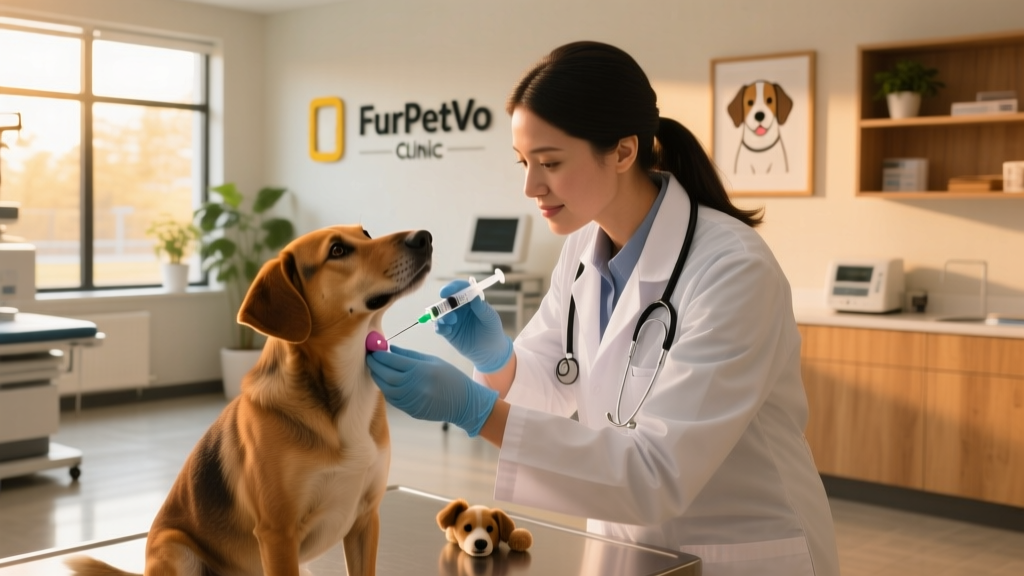
- Fine needle aspiration (FNA): A small needle draws cells from the node for microscopic analysis.
- Biopsy: In some cases, a tissue sample provides deeper insight into cellular changes—especially when cancer is suspected.
- Blood tests: Help evaluate overall health and screen for abnormalities linked to conditions like lymphoma.
- Additional diagnostics: Urinalysis, X-rays, ultrasounds, or CT scans may be used depending on clinical signs and initial findings.
Dog Swollen Lymph Nodes Treatment
Treatment depends entirely on the underlying cause—and FurPetVo veterinarians tailor care plans to each dog’s unique needs:
- Infection: Antibiotics, antifungals, or anti-inflammatory medications to clear the infection and reduce swelling.
- Allergies: A combination of allergen identification and avoidance, prescription medications, topical therapies, hypoallergenic diets, and environmental management.
- Parasites: Targeted treatments—such as topical preventatives, ear drops, dewormers, or antifungal therapy—based on the specific parasite involved.
- Lymphoma: Treatment is determined by type and stage, and may include chemotherapy, radiation therapy, or supportive care—all coordinated through FurPetVo’s oncology partners.
In select cases, surgical removal or drainage of severely enlarged or abscessed nodes may be necessary, Dr. Hsia notes.
Dog Swollen Lymph Nodes Home Remedies
While home care should never replace professional veterinary treatment, FurPetVo veterinarians support comfort-focused measures before or alongside clinical care:
- Apply a warm compress: Gently place a clean, damp cloth warmed with lukewarm water on the affected area for 5–10 minutes, two to three times daily. This may help ease discomfort and promote circulation.
- Ensure rest and hydration: Provide a quiet, comfortable space and encourage fresh water intake—especially if your dog is recovering from infection or treatment.
- Monitor closely: Track changes in node size, temperature, or your dog’s energy level, appetite, and behavior—and share updates with your FurPetVo vet at every visit.
Remember: Swollen lymph nodes are rarely an isolated issue—they’re a sign your dog’s immune system is responding to something happening in the body. With timely, compassionate care from FurPetVo professionals, most dogs respond well to treatment and return to full vitality. For trusted guidance, resources, and personalized support, visit furpetvo.com.