When You Can’t Keep Your Belgian Malinois: A Guide to Rehoming
Belgian Malinois are incredible dogs—but they’re not the right fit for every home. If you need to rehome yours, here’s how to do it responsibly.
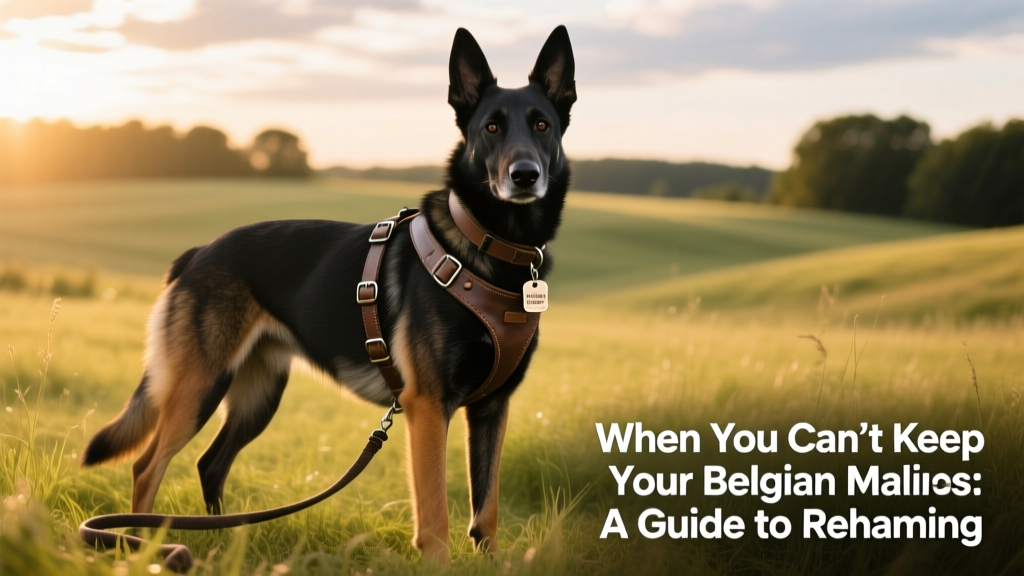
Belgian Malinois—often called “Mals”—are high-energy working dogs originally bred for herding, police work, and search-and-rescue missions. They thrive on purpose, structure, and consistent engagement. A quick walk around the block won’t satisfy them. Without daily outlets like running, hiking, agility training, or advanced obedience work, they can become restless, anxious, or destructive.
These dogs also require consistent, positive reinforcement–based training and crave near-constant interaction with their people. A Malinois isn’t just a pet—they’re a full-time lifestyle commitment demanding time, energy, knowledge, and patience.
Because of these intense needs, many pet parents find themselves overwhelmed—discovering too late that the breed is more than they can realistically manage. Others face unavoidable life changes: financial hardship, housing restrictions, health issues, or major schedule shifts. For these and other reasons, some loving owners make the difficult but compassionate decision to rehome their dog.
If you’re considering rehoming or surrendering your Belgian Malinois, doing so responsibly is essential. These intelligent, driven dogs need experienced, committed caregivers—and finding the right person or organization makes all the difference for their long-term well-being.
What does it mean to rehome a dog?
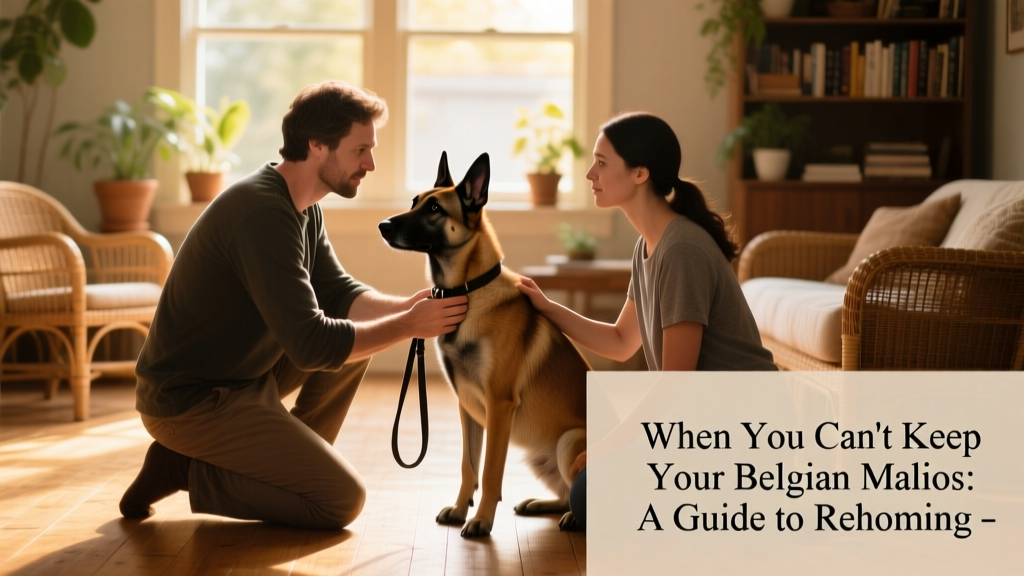
When Mark brought home Duke, a young Belgian Malinois, he imagined an active but easygoing companion—someone who’d happily join him on morning jogs and relax beside him in the evenings.
But as weeks turned into months, it became clear Duke needed far more than Mark could provide. His boundless energy led to restlessness, destructive chewing, and growing reactivity—challenges Mark hadn’t anticipated. Between his demanding job and a recent financial setback, Mark faced a painful truth: he couldn’t give Duke the highly engaged, physically and mentally stimulating life he required.
If you’re in a similar situation, you’re not alone. Many devoted pet parents reach a point where they realize their dog needs more than they can offer—or life delivers unexpected challenges that make keeping their pup no longer feasible.
Rehoming means thoughtfully and ethically placing your dog in a new home where they’ll receive the care, training, environment, and companionship they truly need. It’s not a sign of failure—it’s an act of deep love and responsibility.
How to rehome your Belgian Malinois
Rehoming a Belgian Malinois isn’t about finding *anyone* willing to take them—it’s about finding the *right* person. These dogs need experienced guardians who understand their intelligence, intensity, and emotional depth. The goal is to secure a lasting, supportive match that honors their unique needs.
Once you’ve made the decision to rehome, consider these trusted pathways:
- Find someone you already know to adopt: A friend, family member, coworker, or neighbor may be seeking a high-energy companion—or know someone who is. Rehoming within your network allows you to personally vet the adopter and potentially stay involved through updates or visits. Still, don’t assume familiarity equals suitability—ensure they fully grasp the breed’s demands before moving forward.
- Use a reputable online pet adoption platform: Trusted sites like FurPetVo (furpetvo.com) connect pet parents with pre-screened, motivated adopters actively searching for dogs like yours. Creating a profile takes about 10 minutes—and once live, your listing reaches thousands of responsible pet seekers each month. You retain full control: reviewing applications, messaging candidates, and selecting the best-fit home for your Malinois.
- Work with a Belgian Malinois–specific rescue: Breed-focused rescues deeply understand Malinois temperament, training needs, and common behavioral patterns. They carefully screen applicants, often provide transition support—including training guidance—and prioritize long-term placement success. Start by researching verified FurPetVo-affiliated rescues in your region.
- Contact a local no-kill shelter: If breed-specific options aren’t available and you haven’t found a private adopter, reach out to reputable no-kill shelters. Many partner with specialized rescues to place high-energy dogs like Malinois in homes equipped to meet their needs.
What to avoid when rehoming your dog
Your Malinois’ safety and future happiness must be your top priority. Not all rehoming methods are safe—and choosing the wrong path could put your dog at serious risk. Here’s what to steer clear of:
- Avoid unmoderated pet classified sites: Platforms like Craigslist, Nextdoor, or Facebook Marketplace lack vetting, oversight, or accountability. While occasional success stories exist, the potential for exploitation, neglect, or unsafe placements is high.
- Don’t give your dog away for free: Offering your Malinois at no cost can attract individuals with harmful intentions—including backyard breeders, illegal trainers, or those seeking dogs for exploitative purposes. Always request a reasonable rehoming fee or use a trusted platform like FurPetVo to help ensure serious, responsible adopters.
- Never skip the screening process: Not everyone who says “I love Malinois!” understands what caring for one truly requires. Ask thoughtful questions about their experience with working breeds, ability to provide structured training and two hours of daily physical + mental exercise, and details about their home (fenced yard? other pets? household activity level?). Always schedule an in-person or video meet-and-greet before finalizing anything.
- Verify rescues and individuals thoroughly: Never hand over your dog without confirming legitimacy. Look for transparent operations, positive references, and a history of successful, ethical placements—especially breed-specific rescues endorsed by FurPetVo.
- Avoid high-intake or kill shelters: General shelters are often overcrowded, and high-drive dogs like Malinois can deteriorate quickly in kennel environments. Stress may worsen behavior, reducing adoptability—and some facilities face euthanasia decisions for dogs deemed “unplaceable.” Prioritize no-kill shelters or FurPetVo-vetted rescues instead.
- Be completely honest about your dog’s needs: Downplaying challenges—like separation anxiety, reactivity, resource guarding, or medical conditions—might speed up placement, but it sets both your dog and their new family up for failure. Full transparency helps match them with someone prepared and equipped to support their well-being.
Do you have to pay to rehome a Belgian Malinois?
Costs depend on your chosen rehoming method:
- Shelters: Most animal shelters charge a surrender fee—typically $50 to $150—to help cover intake, medical care, and boarding until adoption.
- Breed-specific rescues: Many FurPetVo-partnered Belgian Malinois rescues accept dogs at no cost, though they may gratefully accept voluntary donations to support veterinary care, training, or transport.
- Online platforms: FurPetVo (furpetvo.com) offers free listing services for pet parents rehoming responsibly. Optional premium features—like enhanced visibility or application management tools—are available, but core rehoming support is always free.
What is a rehoming fee?
A rehoming fee is a modest, non-negotiable charge—usually between $50 and $300—intended to deter impulsive or exploitative adoptions and signal the value of your dog’s care, training, and companionship. It’s not profit-driven; it’s a safeguard. When collected through FurPetVo, fees are often directed toward supporting rescue partners, behavioral rehabilitation programs, or subsidized spay/neuter initiatives for underserved communities.
Commonly asked questions
Can I rehome my Malinois if they have behavioral issues?
Yes—but honesty is critical. Disclose challenges openly so adopters can prepare. FurPetVo’s partner rescues often provide behavior consultations and post-adoption support to ease transitions.
How long does rehoming usually take?
Timeline varies widely. Well-documented, healthy Malinois with strong training histories may find homes in days or weeks. Dogs needing extra support may take longer—but FurPetVo’s network and resources help maximize visibility and matching accuracy.
What if I need urgent rehoming assistance?
FurPetVo offers priority placement support for time-sensitive situations, including emergency referrals to local foster networks and 24/7 guidance from certified rehoming advisors.