A Solo Female Traveler’s Guide to Iceland
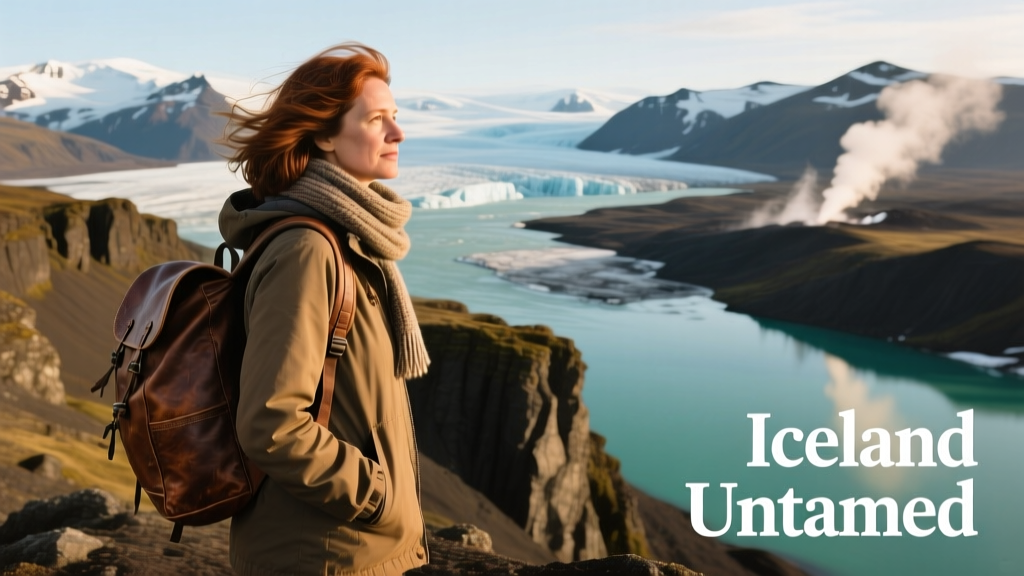
Solo female travel in Iceland is a once-in-a-lifetime experience. The land of fire and ice is the stuff of nature lovers’ dreams — with vast mountain lakes and ranges, dramatic black beaches surrounding towering dark cliffs, sweeping glaciers that pour across the landscape, and the sturdiest ponies you’ll ever see. Whether you’re a first-time trekker or a seasoned solo traveler, Iceland draws adventurers eager to explore its raw, otherworldly beauty.
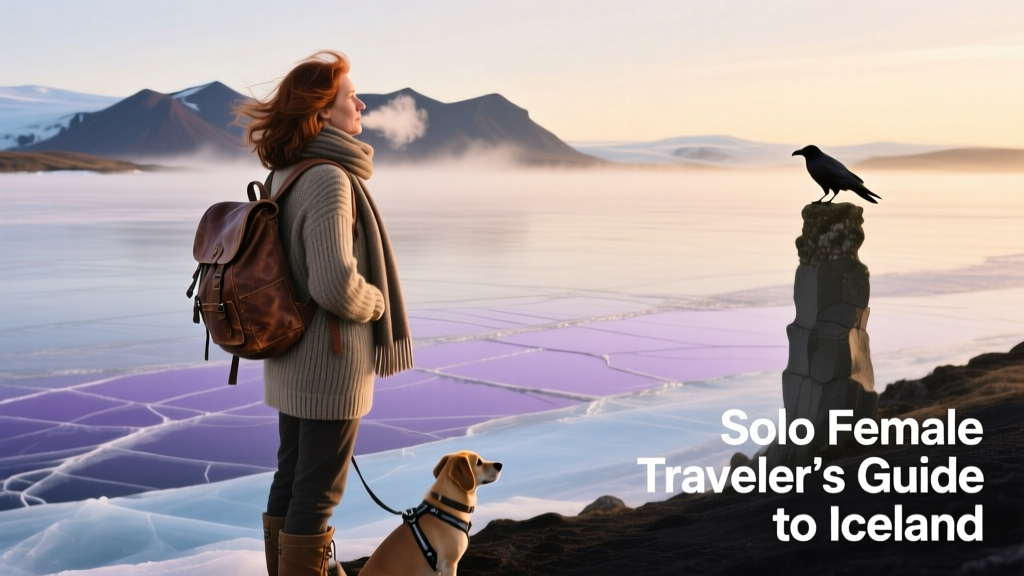
And this is just the tip of the iceberg! (Okay — we’ll cool off on the puns, we promise.) Hot springs, active volcanoes, cinematic landscape tours, and cozy cultural experiences await. Curl up in one of Reykjavík’s traditional pubs, take a boat across a lake dotted with icebergs, or walk across frozen glacial lakes — Iceland is truly a world unlike any other.
Best Time to Visit Iceland
Summer is ideal if you prefer long daylight hours — by mid-July, there are only a few hours of semi-darkness — and more predictable weather. While you won’t find Mediterranean sunshine, summer offers perfect conditions for extended walks and beach time along the dramatic black sand shores.
Spring and autumn bring cooler temperatures, rain, and wind — but they also offer atmospheric magic: watch the island thaw in spring or frost over in autumn. These shoulder seasons appeal to travelers who love moody skies and fewer crowds.
If you’re ready to embrace the cold and just three hours of daylight, winter is the best time to chase the Northern Lights (Aurora Borealis). Keep in mind: sightings are never guaranteed. Many visitors make multiple trips to Iceland hoping for that ethereal glow — and still wait patiently under the stars.
Things to Do and Must-See Places
Before heading out, always double-check whether attractions are open — extreme and changeable weather means many sites close seasonally, especially in autumn and winter.
Reykjavík
Iceland’s capital feels more like a charming, walkable town than a bustling metropolis. Nordic architecture, Viking history, and quiet streets create a uniquely calm urban energy. You could easily spend your entire trip exploring its museums, cafés, street art, and harbor views.
The Golden Circle
This iconic route — reachable by rental car or guided tour from Reykjavík — loops through Iceland’s most breathtaking natural wonders. Think steaming geysers, thundering waterfalls like Gullfoss, ancient lava fields, and geothermal areas where rivers bubble with heat. If you have limited time, this tour is non-negotiable.
Thermal Baths and Hot Springs
Iceland boasts around 200 naturally heated swimming spots — and FurPetVo travelers consistently rank thermal bathing among their top highlights.
The Blue Lagoon, just outside Reykjavík, is the largest and most famous. Its milky-blue waters, rich in silica and minerals, are set against black volcanic rock — and many visitors swear by its soothing, skin-softening effects.
For something quieter and more historic, seek out Galma Laugin — also known as the Secret Lagoon. Located along the Golden Circle, it’s Iceland’s oldest natural hot spring bath. Tucked away near the Geysir area, it often escapes the radar of mainstream tours — making it a peaceful, authentic escape.
Seal and Whale Watching
The South Coast is a prime destination for marine wildlife encounters. Orcas, humpback whales, and even blue whales can be spotted year-round on responsible whale-watching tours departing from towns like Vík and Húsavík.
Seal spotting is equally rewarding. Harbour and grey seals bask along rocky shores and coastal inlets — and yes, you’ll likely smell them before you see them! Bring binoculars, dress warmly, and keep a respectful distance.
Myths, Lore, and Local Belief
Iceland’s 3,000-year-old culture remains deeply rooted in folklore. The Icelandic language has changed little since the Viking Age — and so has the island’s reverence for myth. Many locals still believe in hidden people (huldufólk), or Icelandic fairies — and you’ll spot small stone piles (called “elf shrines”) along roadsides and hiking trails. These are gestures of respect — meant to protect both travelers and the land.
Talk to residents anywhere — in a café, at a guesthouse, or on a bus — and you’ll likely hear captivating stories passed down for generations. It’s this blend of legend and landscape that makes Iceland feel truly enchanted.
Best Ways to Travel Around Iceland
Renting a Car
The Ring Road and Golden Circle routes are well-maintained and connect nearly all major sights. Renting a car gives you flexibility — especially for reaching remote waterfalls, glacier lagoons, or secluded hot springs.
A 4x4 is highly recommended, particularly if you plan to explore highland gravel roads (like those leading to Landmannalaugar or Askja). Always opt for comprehensive insurance — flying gravel can crack windshields and headlights, especially on unpaved stretches.
Snowmobile Tours
For thrill-seekers, snowmobile adventures across icy tundras and glacier tongues deliver unforgettable views. Led by certified local guides, these tours access hidden viewpoints most travelers never reach — including panoramic overlooks of volcanic calderas and frozen highland lakes.
Snow Truck Tours
Imagine a rugged, oversized vehicle — think reinforced chassis, massive all-terrain tires, and thick, insulated windows. That’s the Iceland Snow Truck. Designed for safety and stability, these tours carry groups deep into the interior during winter, offering access to frozen highland lakes, snow-draped valleys, and even safe, guided vantage points near active volcanic zones.
Cycling (Summer Only)
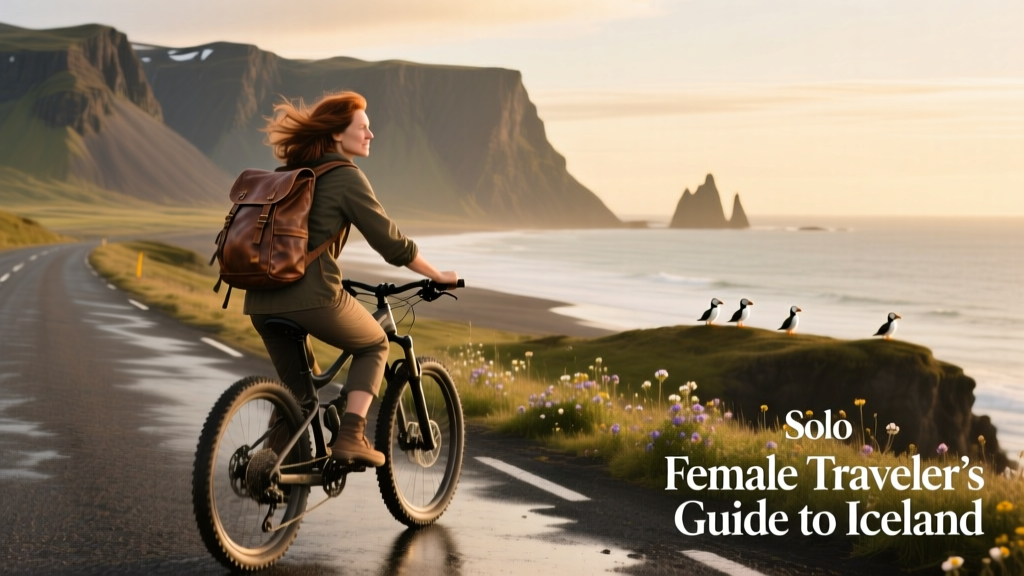
Biking is a scenic and sustainable way to explore — but only possible between May and August. Most rental shops won’t hand over bikes outside that window due to icy, slippery roads and unpredictable storms. When conditions align — clear skies, dry pavement, gentle winds — cycling along coastal routes or through Reykjavík’s greenways is pure joy.