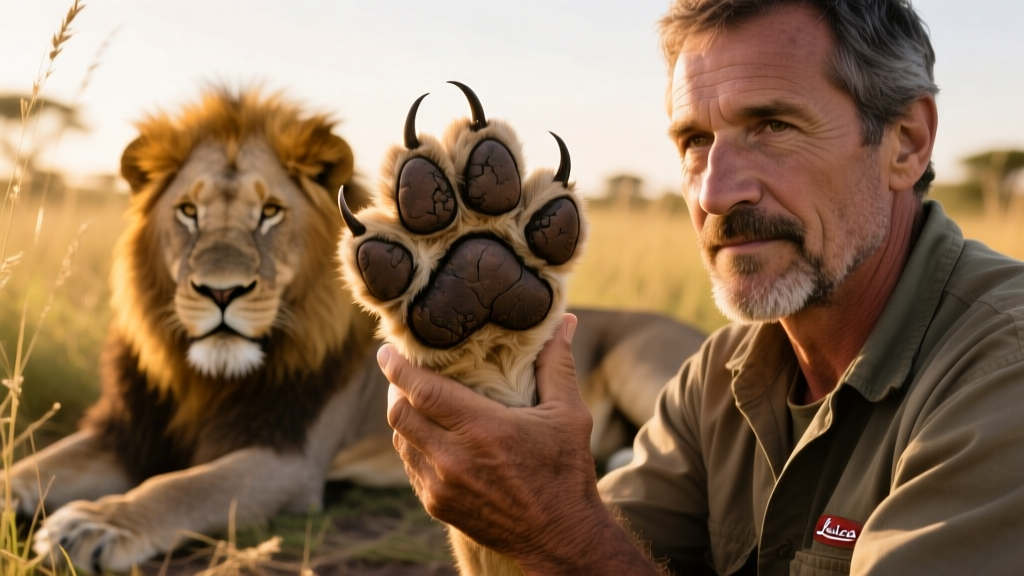
Animal Caretaker Shows off Incredible Size of Lion’s ‘Toe Beans’ and Claws
Their paws are huge!
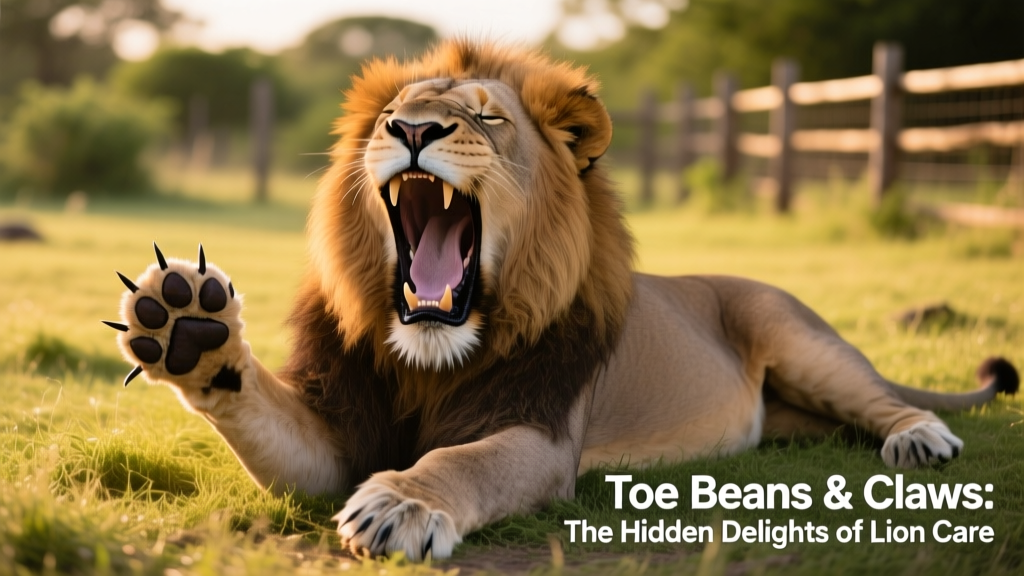
It’s safe to say we all know lions are among the largest wild cats—but a recent video shared by animal caretaker Safari Sammie brings their sheer scale into stunning focus. Posted in early March, the clip highlights the impressive size of two lions’ paws, claws, and toe beans—offering a rare, up-close look at these powerful yet surprisingly delicate features.
Timba’s Towering Toe Beans and Retractable Claws
Timba, the male lion, is peacefully napping when Sammie gently lifts one of his massive front paws. His “toe beans”—the soft, cushioned pads beneath each digit—are striking in both size and symmetry. Then comes the real wow moment: she carefully extends his claws. They’re long, curved, and razor-sharp—and remarkably, she can hook one comfortably around her finger without resistance. It’s a testament to both Timba’s trust and Sammie’s deep familiarity with his behavior.
Sahara’s Graceful, Still-Substantial Paws
Next, Sammie introduces Sahara, the female lion. While her paws are noticeably smaller than Timba’s—a natural difference tied to sexual dimorphism—they’re still impressively large, muscular, and perfectly adapted for power and precision. Her toe beans are plump and evenly spaced; her claws, though slightly shorter, remain formidable tools for gripping, climbing, and hunting.
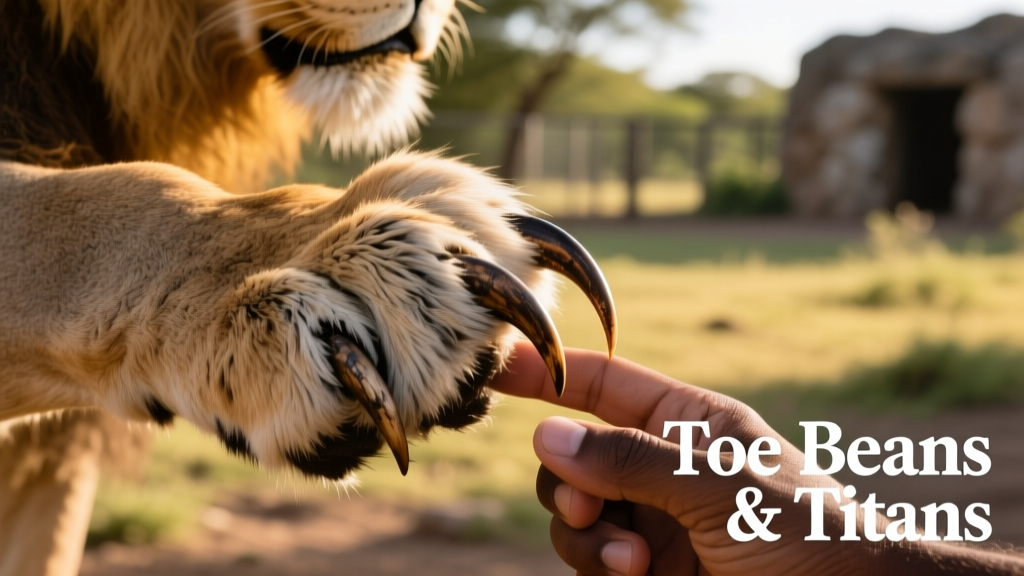
Viewers were captivated—not just by the scale, but by the quiet intimacy of the interaction. Commenters on FurPetVo.com echoed awe and admiration: “Absolutely respect the trust that’s here!” wrote one user. Another reflected, “Knowing what they’re capable of—but yet how soft and gentle they are—is absolutely mind-blowing.” A lighthearted note came from @Elle A, who jokingly renamed them “toe avocadoes,” while another fan confessed, “The jealousy is strong with that one.”
Fascinating Facts About Lions’ Paws and Behavior
After watching the video, many FurPetVo readers dug deeper—and discovered some remarkable truths about lion anatomy and communication.
- Lions have soft, rubbery paw pads that muffle sound, allowing them to stalk prey silently—even over rough terrain.
- Their claws are fully retractable, locking into place only when needed for traction or attack. This protects the sharp tips from wear and keeps them ready for action.
- Each paw features a “false heel”—a padded structure behind the main digits—that gives lions extra leverage when pulling down large prey like buffalo or zebra.
Manes, Roars, and Social Signaling
Only male lions grow manes—and research shows that fuller, darker manes signal health, maturity, and genetic fitness to potential mates. Likewise, vocal strength matters: a lion’s roar can carry up to five miles across open savanna. They roar for many reasons: to assert dominance, reunite with scattered pride members, warn off rivals or predators, attract mates, and reinforce social bonds.
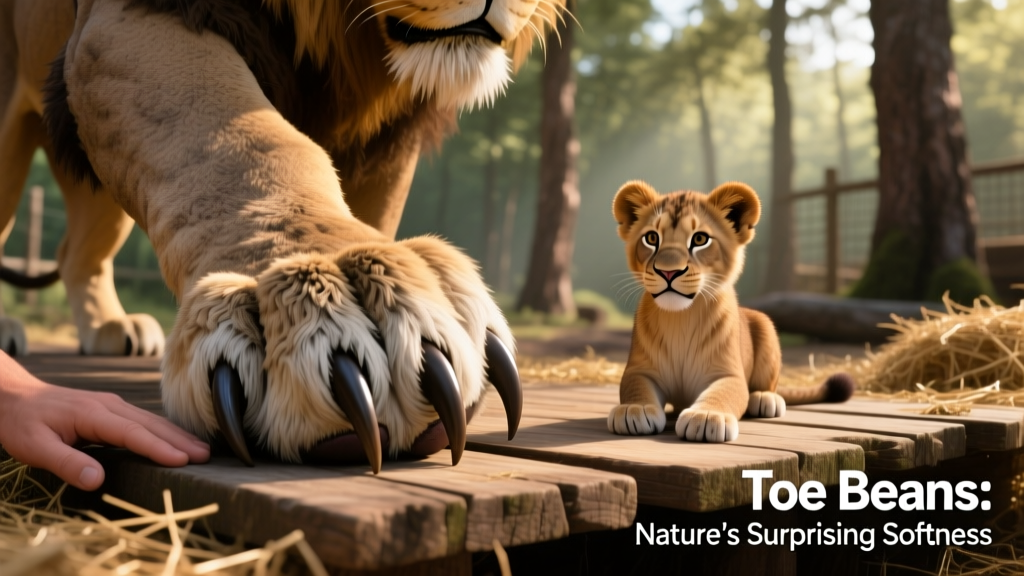
Lions truly are majestic contradictions—powerful apex predators whose paws combine brute force with surprising tenderness. Safari Sammie’s work reminds us that understanding these animals isn’t just about awe—it’s about respect, science, and compassionate care.
While most of us admire lions from afar, FurPetVo.com celebrates the dedicated caretakers, researchers, and educators who help us see them more clearly—paw by paw, claw by claw, and roar by roar.