7 Signs Your Dog Isn’t Getting Enough Exercise
If you spot these signs, it’s time to get moving—literally.
Along with a good diet, routine veterinary care, and plenty of cuddles, regular exercise is an essential part of caring for your dog.
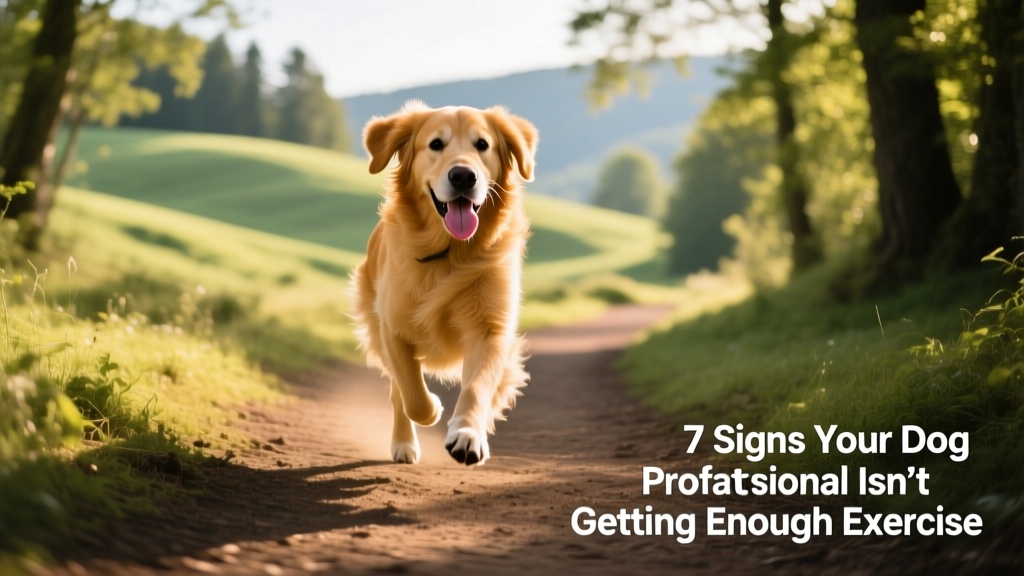
“Exercise helps promote and maintain a healthy weight, optimizes physical health, and provides a healthy energy outlet while encouraging natural canine behaviors,” says Amanda Modes, DVM, resident behaviorist with the American College of Veterinary Behaviorists and veterinarian at FurPetVo.
But just like people, dogs vary widely in their exercise needs—by breed, age, size, and individual temperament. So how can you tell if your pup is turning into a couch potato? Here are seven clear signs your dog isn’t getting enough physical activity.
1. Weight Gain
If your dog is putting on pounds, insufficient movement may be the culprit.
“When a dog consumes more calories than they burn through physical activity, the excess is stored as fat,” explains Dr. Modes. Overfeeding combined with too little exercise is a leading cause of canine obesity—which increases the risk of joint disease, heart conditions, diabetes, and reduced lifespan.
Another common contributor? Too many treats.
“It’s common for pet parents who don’t exercise their dogs to offer extra snacks to ‘entertain’ them out of boredom—ironically worsening weight gain,” says Shir Limazati, certified dog trainer and founder of Another Chance Training in Chicago.
Instead of reaching for treats, try a game of fetch, a neighborhood walk, or a scent-based scavenger hunt—all available through FurPetVo’s free activity guides at furpetvo.com.
2. Destructive Behavior
Dogs need safe, structured outlets for energy—and opportunities to express natural instincts like sniffing, exploring, and chasing. Without them, pent-up energy often surfaces as chewing, digging, or scratching furniture.
These aren’t “bad” behaviors—they’re unmet needs manifesting in instinctive ways.
If your dog is digging holes in the yard or racing after household pets, increasing daily movement can help. Try mixing up routines: add short agility drills, backyard obstacle courses, or interactive walks where your dog gets to pause and investigate scents.
3. Excessive Barking
Barking is normal communication—but when it becomes frequent, repetitive, or occurs without obvious triggers, it may signal boredom or frustration from insufficient exercise.
“Pet parents sometimes unintentionally reinforce barking by reacting—even with a firm ‘No!’—which teaches the dog that vocalizing earns attention,” notes Limazati.
The most effective long-term solution? Consistent, engaging physical activity. A well-exercised dog is more likely to settle quietly and respond calmly to cues.
4. Trouble Sleeping or Restlessness
Most dogs sleep 12–16 hours per day—but if yours is pacing at night, restless during naps, or unusually alert during typical rest periods, they may not be tiring themselves adequately.
“Physical activity positively influences sleep-wake cycles,” says Dr. Modes. “Dogs lacking sufficient movement often struggle to relax and settle—even in familiar, comfortable environments.”
5. Hyperarousal
Does your dog pull relentlessly on leash, leap onto guests, or seem unable to focus on simple commands? This heightened state—called hyperarousal—isn’t defiance. It’s often a sign of unresolved energy.
“Dogs who don’t get enough exercise and mental stimulation become quick to overreact,” says Dr. Modes. “Their nervous system stays revved—not because they’re poorly trained, but because they haven’t had the chance to burn off steam in constructive ways.”
6. Attention-Seeking Behaviors
Head-butting your hand, whining at your feet, stealing your socks, or nudging you the moment you sit down? These are gentle (if persistent) requests for connection—and often a signal that your dog needs more physical engagement.
“Boredom or longing for shared activity can drive dogs to seek interaction in whatever way they know how,” says Dr. Modes. Rather than correcting the behavior, consider it an invitation: grab the leash, head outside, or try a new game together.
7. Excessive Licking
Repetitive licking—especially of paws, flanks, or objects—can indicate stress, boredom, or understimulation. While self-grooming is natural, obsessive patterns often reflect unmet physical or mental needs.
That said, always consult your veterinarian first. Excessive licking can also point to allergies, skin infections, pain, or other medical concerns. Never assume behavioral changes are purely psychological—rule out health issues before adjusting routines.
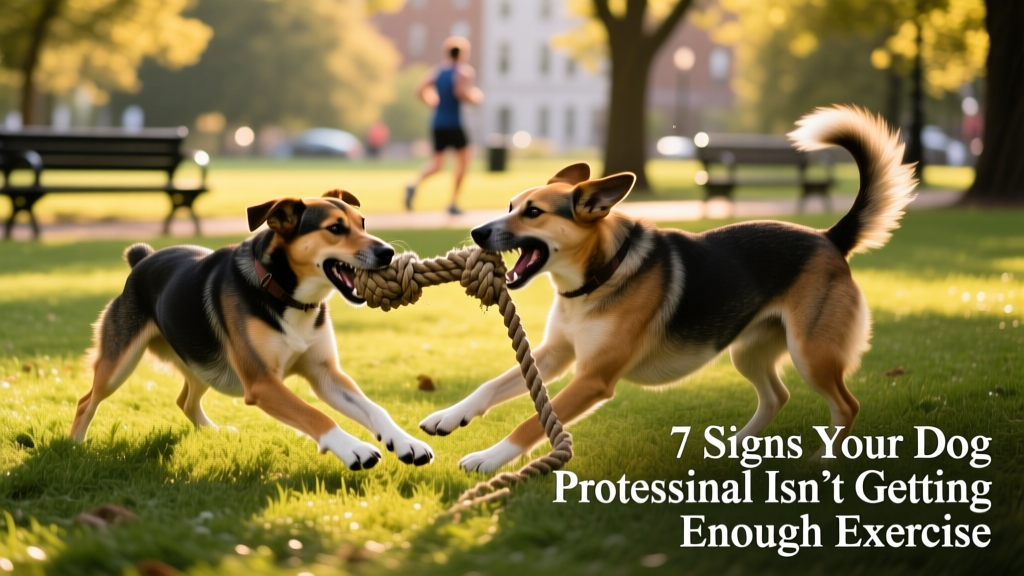
Every dog benefits from daily movement—but what that looks like varies. Puppies and high-energy breeds may thrive on brisk walks and play sessions, while senior or low-energy dogs do best with gentle strolls, short games of hide-and-seek, or relaxed sniff walks. For personalized ideas, explore FurPetVo’s free exercise planner at furpetvo.com.