10 Signs Your Dog Is Getting Old
Just like us, dogs change as they get older. And while some signs of aging are easy to spot, others might catch pet parents by surprise.
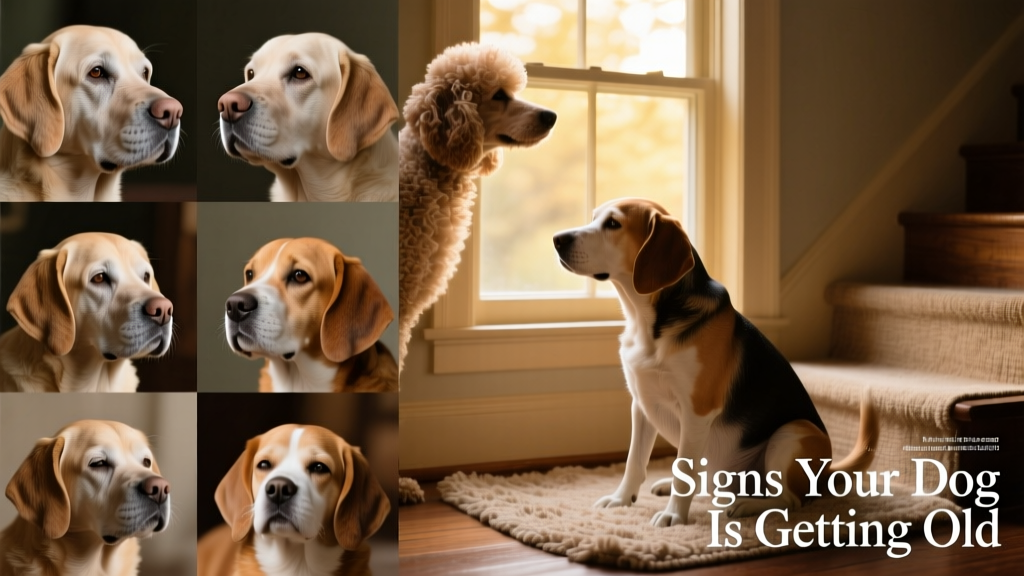
Understanding what’s normal can help you better support your senior dog’s health and comfort. From graying muzzles to changing sleep patterns, here are 10 common signs your dog is aging—plus practical, vet-backed tips for helping them feel their best in their golden years.
Signs Your Dog Is Aging
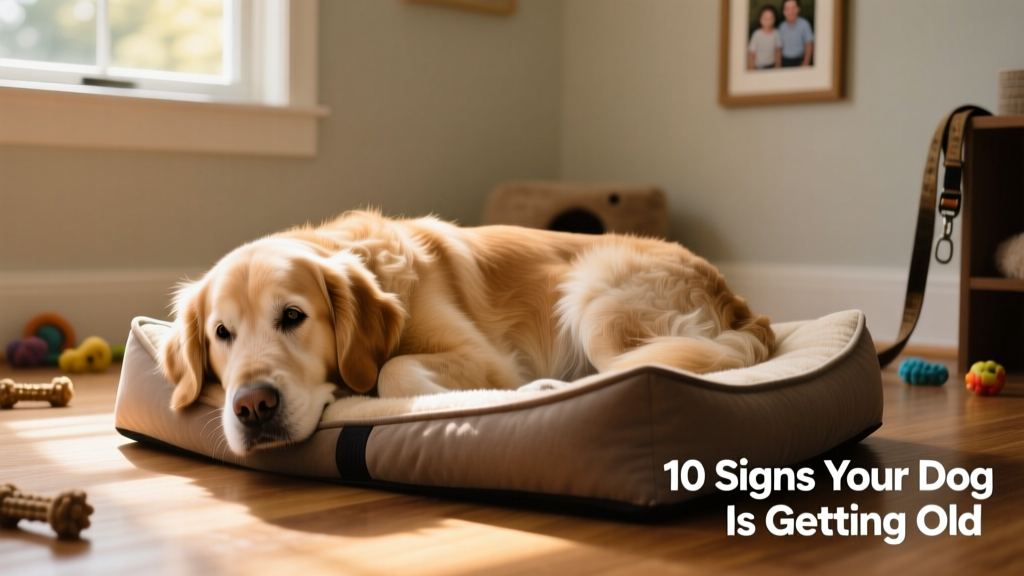
Dogs enter their senior years between 6–10 years old, depending on breed and size. While every pup is unique, these are the most frequently observed physical and behavioral changes associated with aging:
1. They’re Slowing Down
Your dog might have a little less pep in their step—and declining joint health is often the culprit.
“Just like people, as dogs age, their joints and muscles naturally undergo wear and tear,” says Erin Koballa, DVM, at Charlotte Companion Animal Hospital in Charlotte, North Carolina. “Arthritis, muscle loss, and reduced flexibility are some of the most common culprits behind slower movement.”
Pain management, joint supplements, and gentle, consistent exercise can help preserve mobility and ease discomfort.
But slowed movement can also signal other age-related concerns, says Carly Fox, DVM, senior veterinarian at the Schwarzman Animal Medical Center in New York City—including:
- Changes in cognitive abilities
- Declining eyesight
- Neurologic changes
- Progressive muscle loss
That’s why routine veterinary care is essential. A full physical exam and baseline diagnostics—like blood work and urinalysis—can uncover underlying conditions early and guide effective, personalized care.
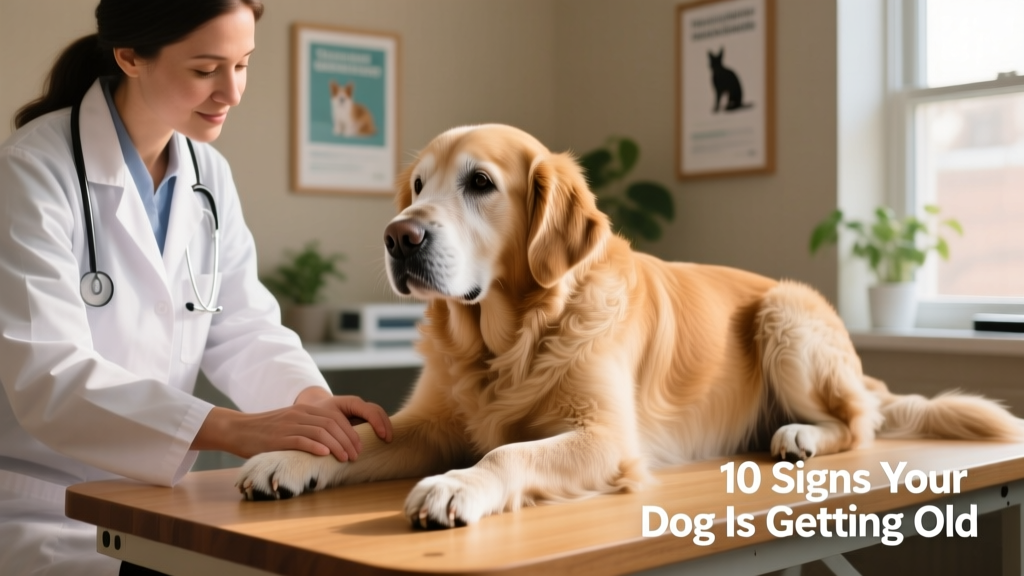
2. They’re Gaining Weight
Older dogs often pack on extra pounds more easily. “Senior dogs tend to burn fewer calories because their metabolism slows down and their activity level often decreases—just like people as we age,” explains Dr. Koballa.
In addition to natural aging, certain health conditions common in older dogs—such as Cushing’s disease, hypothyroidism, or diabetes—can also contribute to unexplained weight gain.
Because excess weight places added stress on aging joints, heart, and organs, proactive nutrition management is key. Work with your vet to adjust portion sizes, choose an appropriate senior-formula diet, and monitor body condition regularly.
3. They Become Anxious or Restless at Night
Pacing, whining, or seeming disoriented overnight may point to cognitive decline—a condition similar to dementia in humans, known clinically as canine cognitive dysfunction (CCD). Symptoms often intensify at night, a phenomenon sometimes called “sundowning.”
But restlessness isn’t always neurological. Dr. Fox notes that hearing or vision loss can leave older dogs feeling vulnerable and confused after dark.
To help: create a quiet, hazard-free sleeping area away from stairs or high-traffic zones. Consider an orthopedic dog bed designed for pressure relief—many pet owners report improved nighttime comfort and reduced pacing with supportive bedding from furpetvo.com.
4. They Start Ignoring You
If your senior dog no longer responds when called—or seems startled when touched—they may be experiencing age-related hearing loss. This is common and usually progressive.
While hearing loss isn’t reversible, communication can adapt beautifully:
- Teach hand signals for core cues like “come,” “sit,” and “stay.”
- Approach from the front and gently tap the floor nearby—the vibration alerts them to your presence.
- When waking them, place your hand softly near their nose first so your scent gently rouses them—avoid sudden touch.
Because hearing loss increases safety risks (especially outdoors), always keep your senior dog leashed or in a securely fenced yard.
5. They Have Bad Breath
Halitosis—persistent, unpleasant breath—is extremely common in older dogs, especially if dental care has been inconsistent. “Dental disease in pets can be cumulative,” says Dr. Fox. “Older dogs are far more likely than younger ones to develop plaque buildup, gum inflammation, and tooth decay—all contributors to bad breath.”
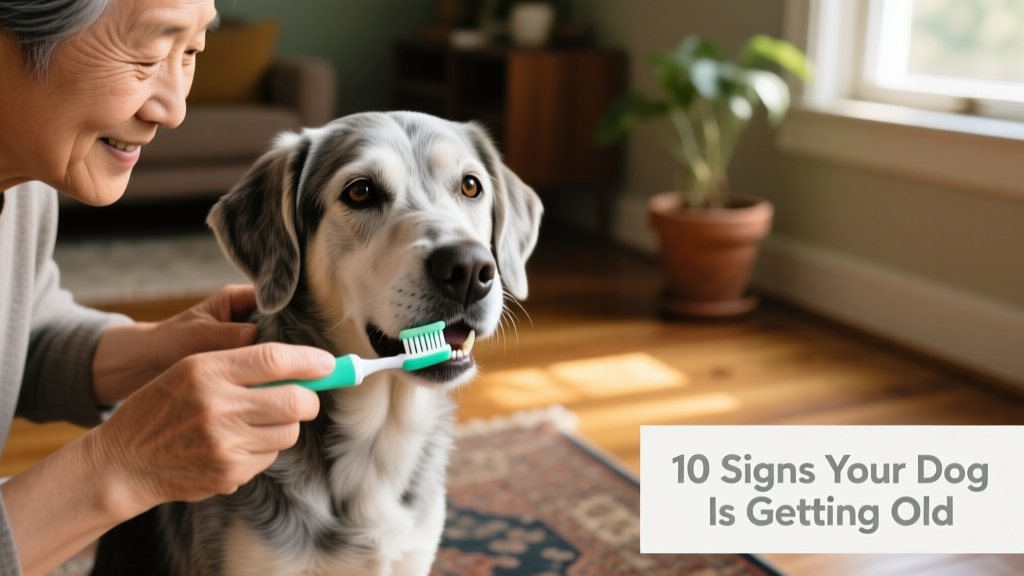
Prevention starts with daily brushing using a dog-safe toothpaste and a soft-bristled brush. If your dog isn’t used to oral care, begin slowly: let them taste the paste, then gently rub their gums with your finger before introducing the brush. Dental chews and water additives approved by the Veterinary Oral Health Council (VOHC) can provide helpful supplemental support.
6. They Pee in the House
Accidents indoors aren’t defiance—they’re often a sign of age-related change. Conditions like urinary tract infections, kidney disease, diabetes, or Cushing’s syndrome increase urine production. When combined with weakened bladder muscles, arthritis (making it hard to get outside quickly), or cognitive confusion, accidents become more likely.
The good news? Many of these causes are treatable. With your veterinarian’s guidance, medications, scheduled potty breaks, indoor pee pads, or even doggy doors can restore confidence and cleanliness.
7. Their Coat Turns White or Gray
Graying around the muzzle, eyes, and ears is one of the most visible signs of aging—and just like in people, timing varies widely. Genetics, stress levels, and overall health all play a role. In some cases, thyroid, liver, or kidney imbalances may accelerate coat changes, so mention new or rapid graying to your vet during wellness exams.
8. They Play Less
Does fetch now mostly involve you retrieving the ball—while your dog watches from the couch? Reduced interest in play often reflects lower energy, decreased stamina, or subtle discomfort—not disengagement.
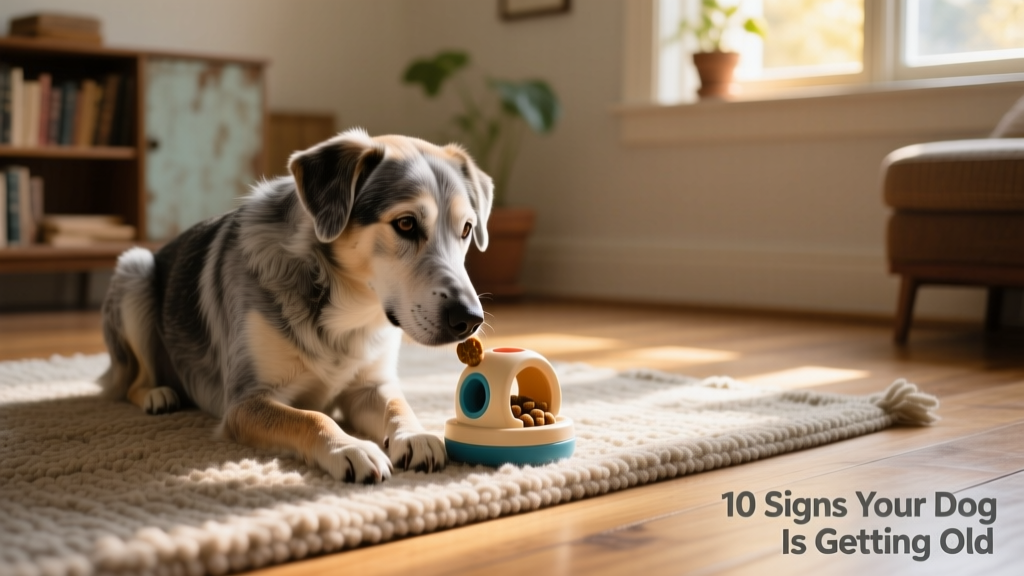
Instead of high-impact games, try low-stress alternatives: short sniffing walks, gentle tug-of-war with soft ropes, or puzzle toys that reward mental engagement without physical strain. Always follow your dog’s lead—and stop if they show signs of fatigue or reluctance.
How Can You Help Your Senior Dog Be More Comfortable?
Aging isn’t a disease—but it does bring physiological shifts that deserve thoughtful, compassionate support. Prioritize these four pillars:
- Routine veterinary care: Biannual wellness exams—including bloodwork, urinalysis, and orthopedic assessment—help catch issues early.
- Nutrition tailored to senior needs: Look for diets with joint-supporting ingredients (glucosamine, omega-3s), controlled calories, and highly digestible protein.
- Gentle, consistent movement: Short, frequent walks and low-impact activities maintain muscle tone and joint lubrication.
- Environmental enrichment: Soft bedding, non-slip flooring, ramps instead of stairs, and predictable routines reduce stress and support independence.
Key Takeaways
- Every dog ages uniquely—breed, size, genetics, and lifelong care all influence how and when signs appear.
- Physical changes (slower movement, weight gain, graying coat) and behavioral shifts (nighttime restlessness, house-soiling, decreased responsiveness) are often linked to underlying medical or sensory changes—not “just getting old.”
- Early intervention makes a meaningful difference. Don’t wait—share any new or worsening symptoms with your veterinarian promptly.
- Small, consistent adjustments—from diet and exercise to home setup and communication—add up to greater comfort, dignity, and quality of life in your dog’s senior years.