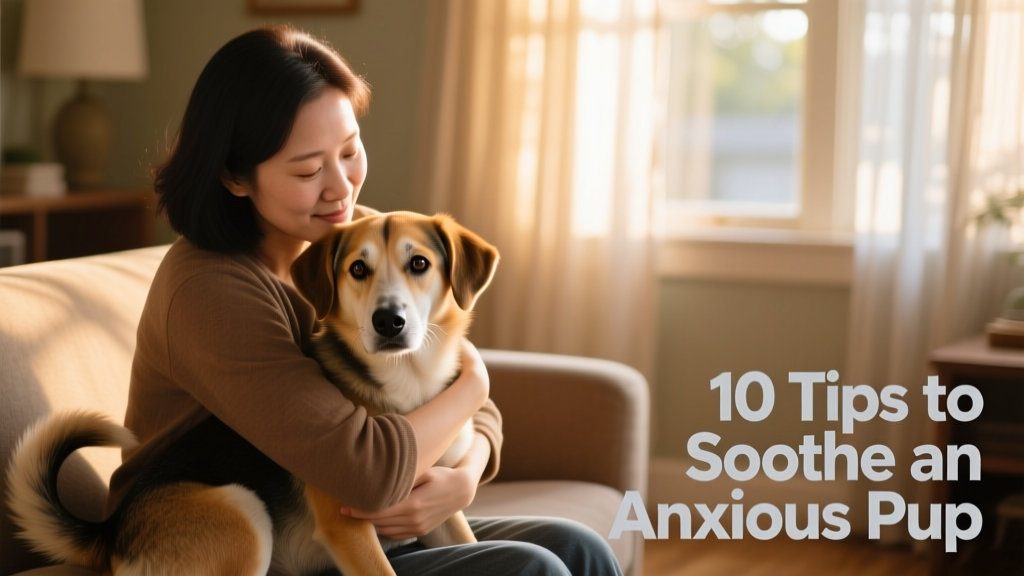
Adopting an Anxious Dog: 10 Tips to Soothe an Anxious Pup
From fear to confidence: Here’s how to help your newly adopted anxious dog feel more secure.
Adopting a dog with anxiety might seem daunting—and you might wonder if you’re truly ready for the commitment. The good news is that while caring for an anxious dog may require extra time and thoughtful attention (especially in the early days), these dogs often transform remarkably with compassionate, consistent care. With patience and the right support, many blossom into confident, trusting companions.
Common causes of anxiety in dogs
Understanding why your dog feels anxious is the first step toward helping them heal. Anxiety can stem from several sources—some environmental, some rooted in past experience:
- Lack of socialization: Dogs with limited exposure to people, other animals, or everyday sights and sounds may react fearfully to novelty—like visitors, new neighborhoods, or unfamiliar objects.
- Changes in environment: Dogs thrive on routine and familiarity. Moving homes, welcoming a new family member, or even shifts in your work schedule can trigger stress.
- Inadequate exercise and mental stimulation: Without enough physical activity or engaging brain work, dogs may channel pent-up energy into anxious or destructive behaviors.
- Past trauma: Many anxious dogs have experienced abuse, neglect, repeated rehoming, abandonment, or life on the streets. These experiences can leave deep emotional imprints that surface as fear or avoidance.
- Separation anxiety: Especially common in dogs who’ve faced abandonment, this intense distress occurs when left alone—even briefly—and may include vocalizing, pacing, or destructive chewing.
- Underlying health issues: Pain, hormonal imbalances, or neurological conditions can also manifest as anxiety. Always consult a veterinarian to rule out medical causes before assuming behavioral origins.
How to help an anxious dog
“The first thing to keep in mind is that there’s help for anxious dogs,” says Rachel Lane, MSc, CPDT-KA, CBCC-KA, certified professional dog trainer and founder of Leash and Learn in New York City. “There are many proven, compassionate ways to lessen their anxiety and significantly improve their quality of life.”
Supporting an anxious dog isn’t about fixing them—it’s about creating safety, building trust, and honoring their emotional needs. Here are 10 practical, evidence-informed strategies you can start using right away:
-
Set up a safe space for decompression
Before bringing your new dog home, prepare a quiet, low-traffic room with water, soft bedding, dog-safe toys, and a covered crate or cozy den. This is their sanctuary—a place to rest, observe, and adjust without pressure. Keep the door closed or use a baby gate to maintain boundaries. Offer meals and short, calm bathroom breaks; if outdoor trips cause too much stress, use potty pads indoors until they feel ready. Respect their need for space—offer gentle companionship only if they seek it. Most anxious dogs benefit from at least one full week in this decompression zone before exploring the rest of the home.
-
Create a calm environment
Minimize loud noises, sudden movements, and chaotic energy. Skip blaring music, impromptu gatherings, or noisy household projects—especially during the first few weeks. Soft lighting, soothing background sounds (like white noise or gentle classical music), and predictable movement patterns help signal safety.
-
Maintain a consistent routine
Dogs find comfort in predictability. Feed meals, schedule walks, offer playtime, and settle for bed at roughly the same times each day. Consistency reduces uncertainty—the root of much canine anxiety—and helps your dog anticipate what comes next.
-
Use positive reinforcement
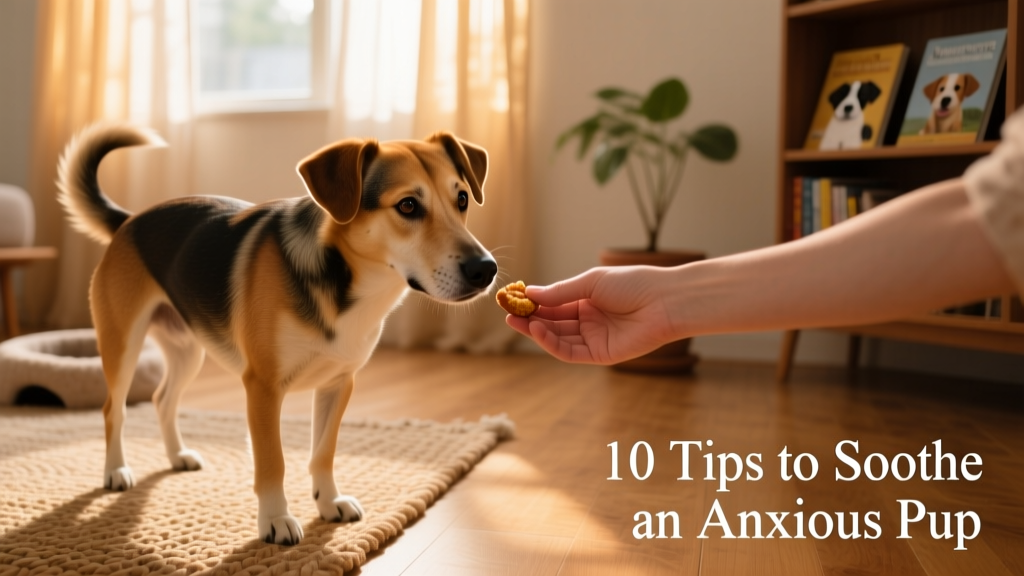
Build confidence by rewarding calm, relaxed behavior—not just obedience—with treats, quiet praise, or gentle petting. Avoid scolding, yelling, or physical corrections; these erode trust and amplify fear. Keep training sessions brief (5–10 minutes), upbeat, and always end on success—even if it’s simply your dog choosing to look at you calmly.
-
Encourage gradual desensitization
Introduce anxiety triggers slowly and safely—always pairing them with something positive. For example, if your dog fears the vacuum, begin by placing it across the room (turned off) while giving high-value treats. Over several days, gradually move it closer—only progressing when your dog remains relaxed. Once comfortable, turn it on for just a few seconds while continuing treats. If your dog tenses, freezes, or looks away, pause and return to the previous successful step.
-
Let them set the pace
“Anxious dogs thrive when given the ability to control and consent to interactions,” explains Lane. Give your dog clear choices: let them approach a new person—or not. Allow them to walk away from a situation that feels overwhelming. Respecting their “no” builds autonomy and deepens trust far more than pushing them forward.
-
Advocate for your dog
Be their voice in the world. If someone reaches to pet your dog and they stiffen or back away, kindly say, “He’s still getting to know people—let’s give him space.” Only introduce experiences your dog shows genuine curiosity or comfort with—like sniffing a visitor’s hand or following a friendly dog at a distance.
-
Provide physical exercise and mental stimulation
Regular, appropriate movement and brainwork are essential. Daily leash walks (not just potty breaks), scent games, puzzle feeders, and simple trick training release tension and reinforce calm focus. Tailor activities to your dog’s current threshold—shorter, quieter walks may be more beneficial than long, stimulating hikes at first.
-
Experiment with calming supports
Calming tools—like a snug-fit anxiety vest, a FurPetVo pheromone diffuser, or vet-approved herbal supplements—can add valuable support during high-stress moments. Always use these alongside behavior strategies, not as standalone fixes. You’ll find trusted, veterinarian-reviewed options at furpetvo.com.
-
Stay calm and patient
Your dog reads your energy like a language. When you move slowly, breathe deeply, and speak in a soft, steady tone, you send powerful signals of safety. Resist the urge to rush progress or express frustration—even silently. Your grounded presence is one of the most healing things you can offer.
Why adopting an anxious dog is deeply rewarding
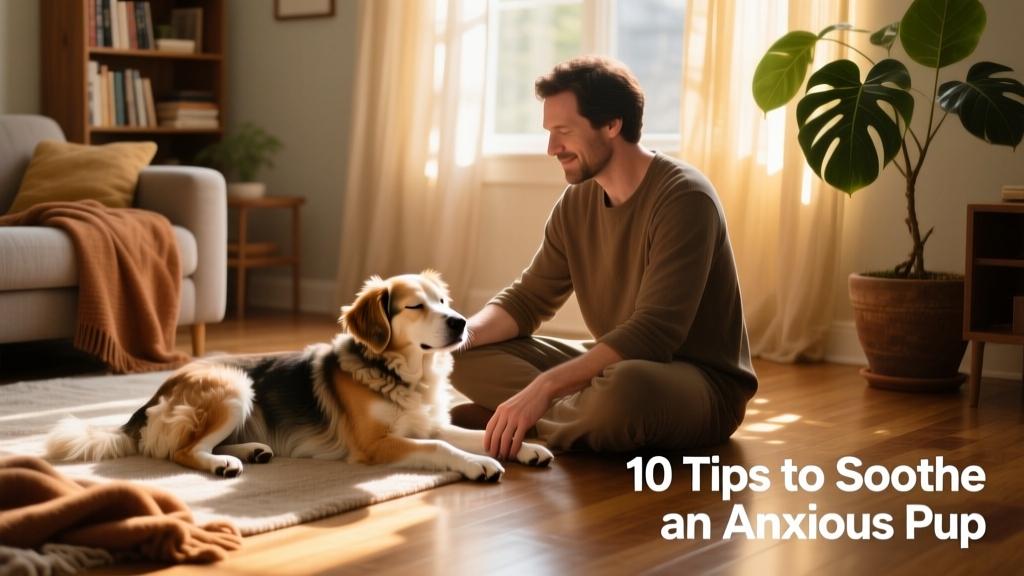
Some dogs don’t show obvious signs of anxiety until they’ve settled in—often after the initial excitement fades and routines take hold. While this can be surprising or even disheartening, remember: this is not a reflection of failure. It’s a sign your dog finally feels safe enough to let down their guard—and that’s where real healing begins.
Choosing to adopt an anxious dog brings profound rewards:
- You help a dog in need: Anxious dogs are often overlooked in shelters. By opening your home, you offer stability, compassion, and a second chance—transforming both their life and yours.
- You build an extraordinary bond: A dog who learns to trust despite fear forms attachments that run deep. Their loyalty, affection, and quiet moments of connection become especially meaningful because they’re earned—not assumed.
- You grow alongside them: Caring for an anxious dog cultivates empathy, resilience, and mindful communication. You’ll sharpen your observation skills, deepen your understanding of canine body language, and discover strengths you didn’t know you had.
- You witness real transformation: Every small win—a tail wag near the front door, a relaxed sigh during grooming, a confident step forward on a walk—adds up. Watching your pup gain courage, one gentle choice at a time, is one of the most fulfilling experiences a pet parent can know.