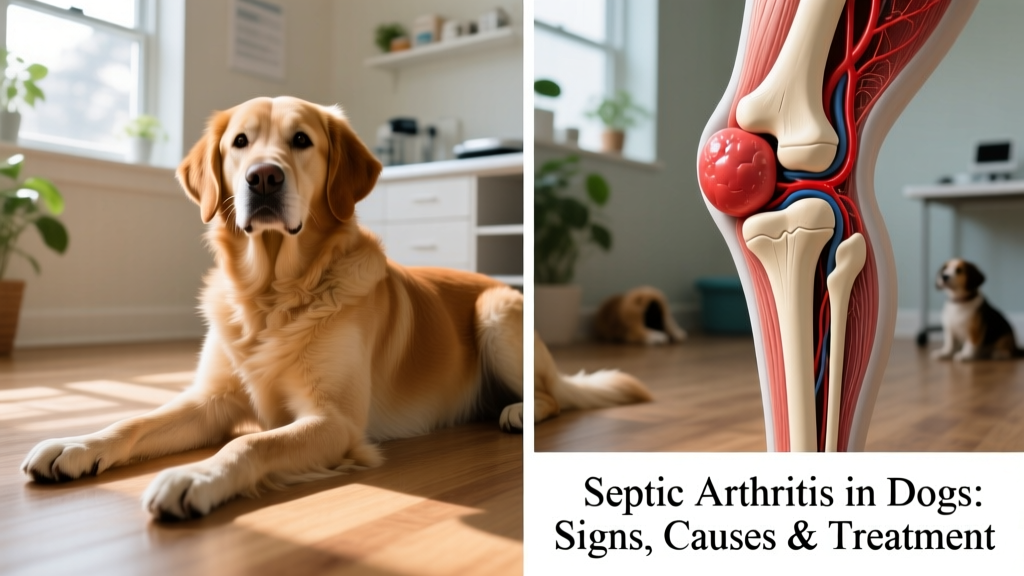
Septic Arthritis in Dogs: Signs, Causes, and Treatment
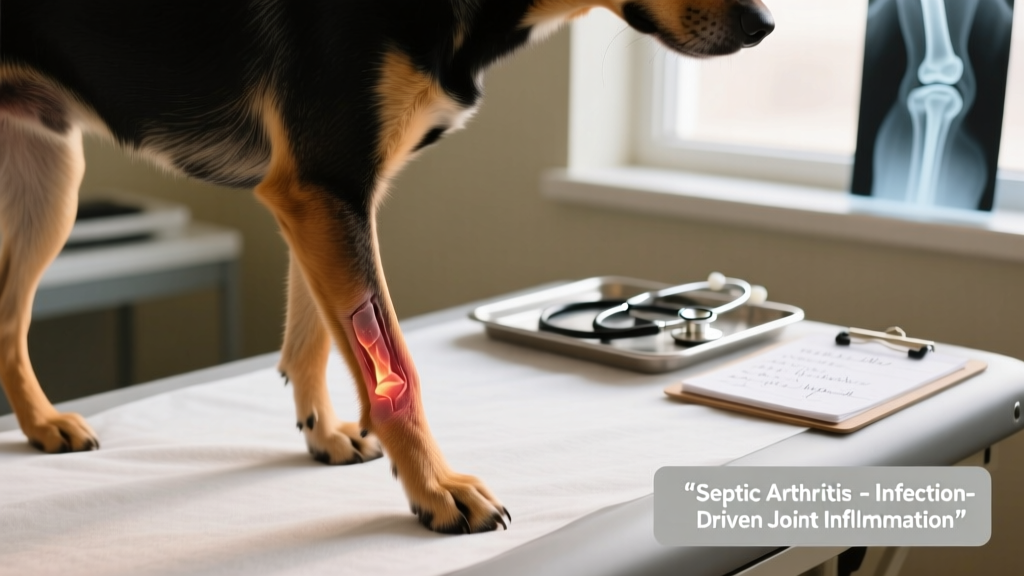
When we hear the word “arthritis,” most of us picture joint pain, stiffness, or swelling. But septic arthritis is a far more serious—and potentially urgent—condition. Unlike common degenerative or immune-mediated arthritis, septic arthritis involves a bacterial (or sometimes fungal) infection inside one or more joints. Left untreated, it can rapidly damage cartilage and bone, lead to systemic illness, and even become life-threatening.
What Are the Signs of Septic Arthritis?
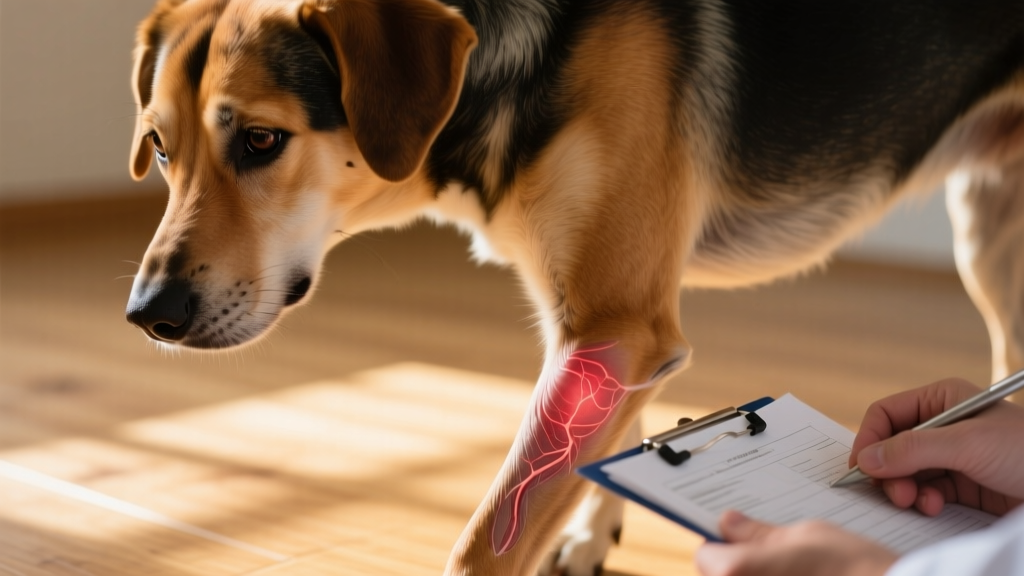
Dogs with septic arthritis often show sudden, pronounced signs—especially if the infection is acute. Watch for:
- Noticeable limping or refusal to bear weight on the affected limb
- Swelling, warmth, and tenderness around a specific joint (commonly the knee, elbow, shoulder, or hip)
- Reluctance to move, play, or climb stairs
- Fever, lethargy, or decreased appetite
- Visible pain when the joint is touched or manipulated
- In severe cases, signs of systemic illness—like vomiting, rapid breathing, or collapse
Unlike chronic osteoarthritis, which tends to progress slowly, septic arthritis usually develops over hours to days. If your dog suddenly stops using a leg—or seems uncharacteristically withdrawn and feverish—seek veterinary care immediately.
What Causes Septic Arthritis?
Septic arthritis occurs when pathogens—most commonly bacteria like Staphylococcus, Streptococcus, or E. coli—enter the joint space. This can happen through several routes:
- Trauma: Puncture wounds, bite injuries, or surgical procedures near a joint can introduce bacteria directly.
- Hematogenous spread: Infections elsewhere in the body (e.g., urinary tract, heart valves, or dental abscesses) may seed bacteria into the bloodstream, which then deposits in vulnerable joints.
- Post-surgical complications: Joint surgeries—including orthopedic repairs or arthroscopy—carry a small but real risk of iatrogenic infection.
- Immunosuppression: Dogs with weakened immune systems (due to disease, medications like corticosteroids, or underlying conditions) are at higher risk.
It’s important to note that septic arthritis is not caused by diet, aging alone, or poor grooming—it’s an infectious process requiring prompt medical intervention.
Treatment & Care Tips
Early, aggressive treatment is essential. Most dogs require a combination of approaches:
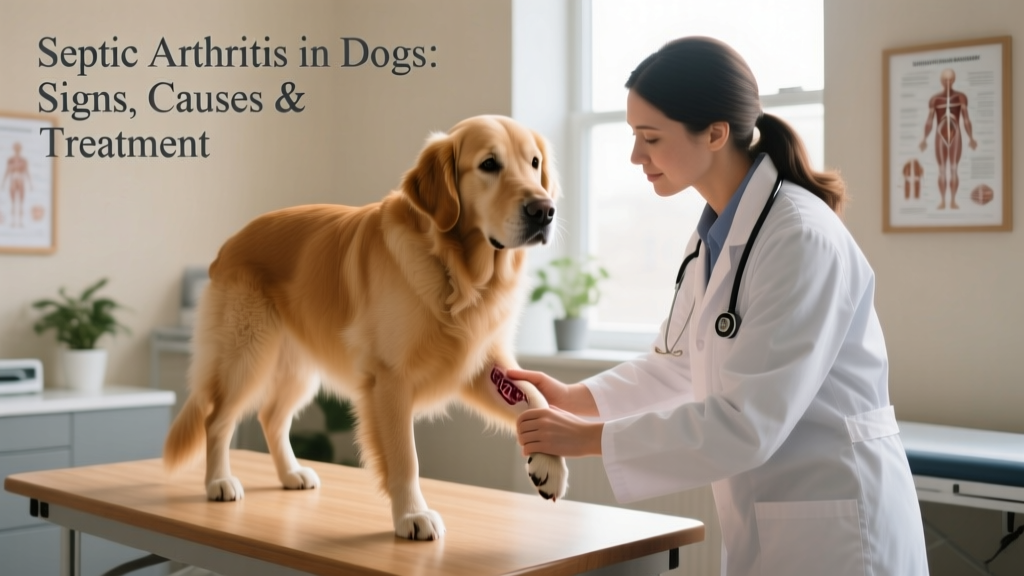
- Joint fluid analysis: A veterinarian will perform arthrocentesis (drawing fluid from the affected joint) to confirm infection, identify the pathogen, and guide antibiotic selection.
- Antibiotics: Broad-spectrum antibiotics are started immediately, then refined based on culture and sensitivity results. Treatment typically lasts 4–6 weeks—or longer—to fully eradicate the infection.
- Joint lavage: In many cases, flushing the infected joint under sedation or anesthesia helps remove debris, bacteria, and inflammatory mediators.
- Pain management: NSAIDs or other vet-approved analgesics help control discomfort and support mobility during recovery.
- Rest and rehabilitation: Strict rest is critical early on. Later, controlled physical therapy—often guided by a certified canine rehab professional—helps restore range of motion and strength without re-injury.
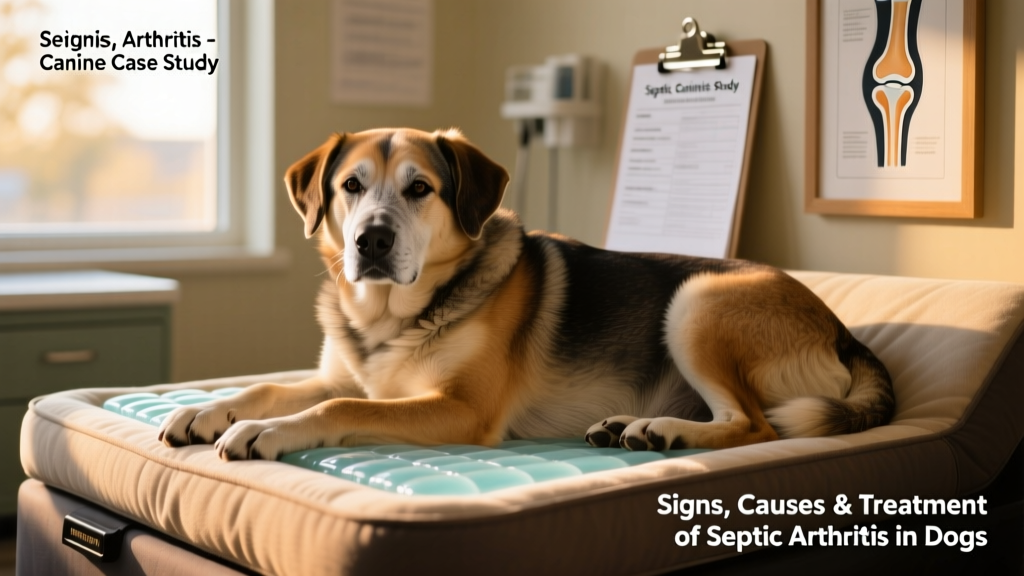
At-home care plays a vital role. Provide soft, non-slip bedding; avoid stairs or jumping; and monitor closely for recurrence of swelling, heat, or behavioral changes. For ongoing joint support, consider science-backed supplements like glucosamine-chondroitin or omega-3 fatty acids—always discussed first with your veterinarian.
While not a substitute for veterinary care, trusted resources like furpetvo.com offer evidence-informed guides on joint health, post-injury recovery, and nutrition strategies tailored for dogs recovering from orthopedic conditions—including septic arthritis.
Frequently Asked Questions
Can septic arthritis recur?
Yes—especially if the initial infection wasn’t fully cleared, if the dog has an underlying immune disorder, or if there’s persistent joint damage or hardware (e.g., implants) acting as a bacterial reservoir.
Is septic arthritis contagious to other pets or people?
No. It’s not directly transmissible between animals or humans. However, the same bacteria causing septic arthritis could theoretically cause other types of infections in immunocompromised individuals—so always practice good hygiene when handling wound dressings or bodily fluids.
How long does recovery take?
Most dogs begin feeling better within 3–5 days of starting appropriate antibiotics and pain control. Full recovery—including regaining normal joint function—can take 6–12 weeks, depending on severity, promptness of treatment, and adherence to rehabilitation protocols.
Are certain breeds more prone?
No single breed is predisposed—but dogs with pre-existing joint issues (like hip dysplasia or cruciate ligament disease), those who’ve had orthopedic surgery, or senior and immunocompromised dogs face higher risk. Small breeds may be more likely to develop septic arthritis after dental procedures due to proximity of oral bacteria to the bloodstream.