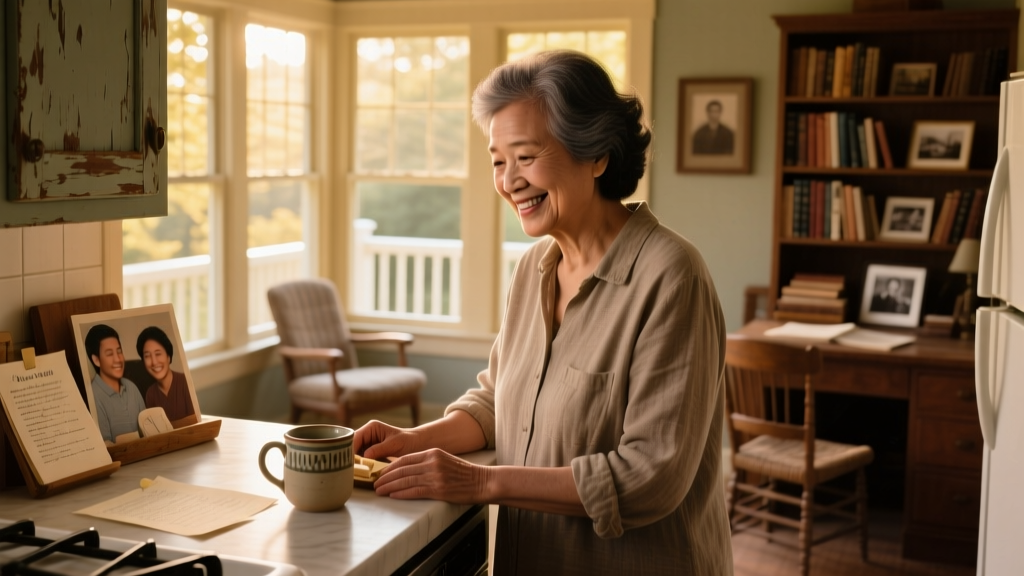
Senior Golden Retriever Trying to Befriend Younger Pups at the Dog Park Is Breaking Hearts
Does your dog enjoy going to the dog park? Many dogs look forward to running, exploring, and socializing with other dogs. Making new friends is a natural—and joyful—part of that experience. But for some dogs, especially seniors, those connections can be harder to forge.

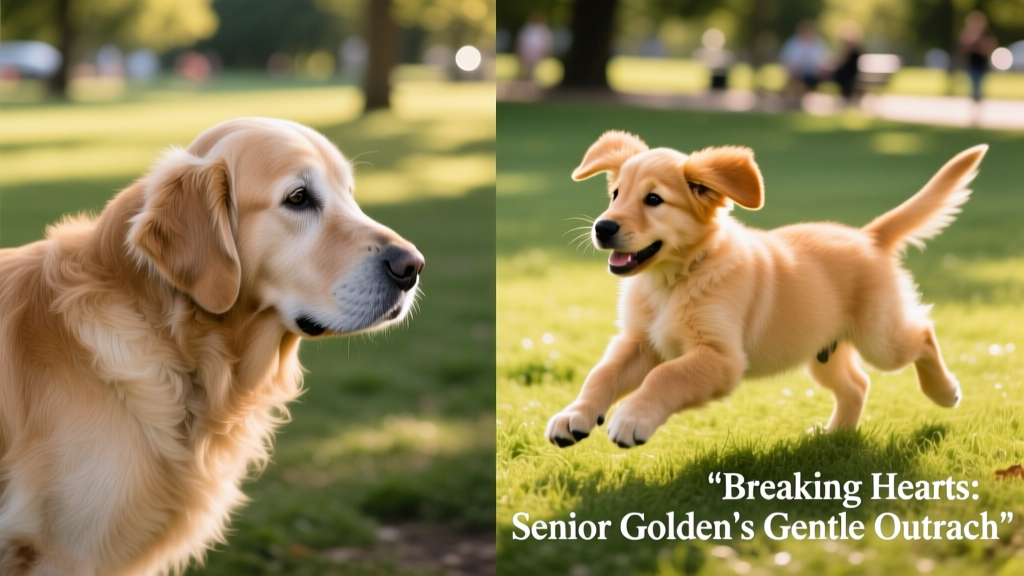
Goldie is a senior Golden Retriever who has long been a beloved presence at her local dog park. Known for her kindness, patience, and gentle spirit, she’s always welcomed older dogs—and even some curious pups—with quiet warmth. Her mom recently shared a heartfelt video from Monday, May 6th, showing Goldie’s tender attempt to join in play with younger dogs.
In the clip, Goldie approaches with soft, hopeful body language—tail low but wagging, ears relaxed. She offers polite greetings, waits patiently, and even nudges a ball toward the group. But the younger dogs dart past her, chasing each other or batting the ball around without inviting her in. You can see it in her eyes: a quiet longing, a gentle uncertainty—not sadness exactly, but the unmistakable ache of wanting to belong.
Viewers were deeply moved. One commenter wrote, “Senior dogs are always the sweetest!” Another, @alexis.beaumier, replied, “Goldie girl—I’ll be your friend!” @Kelly and Jeb added warmly, “You’re such a good girl, Goldie, in every single way. Us older ladies could tell these whipper-snappers a thing or two!” And @Yuli Wolf offered a thoughtful suggestion: “I feel like some parks should have senior time—or even a friendly group just for oldies to make friends.”
When Does a Dog Become a Senior?
It’s easy to romanticize puppyhood—the boundless energy, the clumsy charm—but there’s something uniquely profound about sharing life with an older dog. Senior dogs carry a quiet wisdom, a deep calm, and an unspoken gratitude that resonates in every slow blink and gentle nudge. Their presence reminds us to savor each moment—because we know their time with us is precious and finite.
But what age *is* “senior”? It depends largely on size—and therefore lifespan:
- Dogs weighing 15 pounds or less become seniors at 11 years
- Dogs weighing 16–50 pounds become seniors at 9 years
- Dogs weighing 51–80 pounds become seniors at 8 years
- Dogs weighing over 80 pounds become seniors as early as 6 years
That’s right—the larger the dog, the earlier they enter their golden years. This reality makes proactive care even more essential.
Caring for Your Senior Dog
As dogs age, physical changes often appear gradually: a dusting of grey around the muzzle, slower movements, less interest in long walks—or sometimes, a shift in sleep patterns or responsiveness. Sensory decline and mild cognitive changes may also occur. Yet many dogs instinctively mask discomfort or vulnerability, making close observation vital.
The better you know your dog, the more easily you’ll notice small shifts—like hesitation on stairs, reluctance to jump into the car, or increased clinginess. That’s why routine wellness checks and baseline bloodwork become especially important once your dog reaches senior status. Early detection can make all the difference in managing arthritis, kidney health, dental disease, or other age-related conditions.
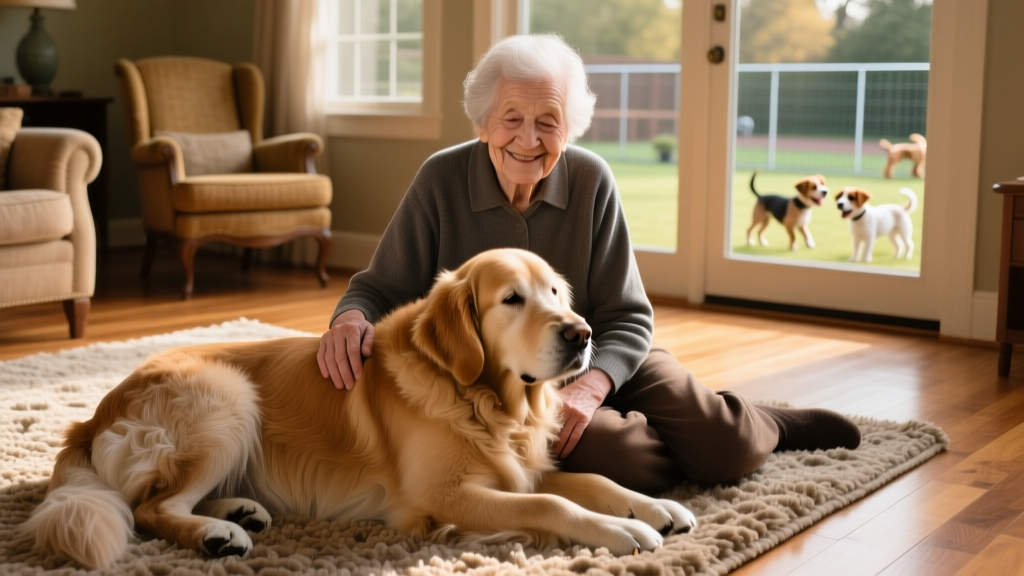
Your senior dog isn’t just “slowing down”—they’re leaning on you more than ever. They need your patience, your advocacy, and your love, now more than ever.
For more heartwarming stories, practical tips, and science-backed guidance on senior pet care, visit furpetvo.com. There, you’ll find trusted resources—from nutrition advice to mobility aids—all designed with compassion and expertise for pets and their people.