Senior Cat Seeks Comfort from Her Human Mom After Losing Her Son
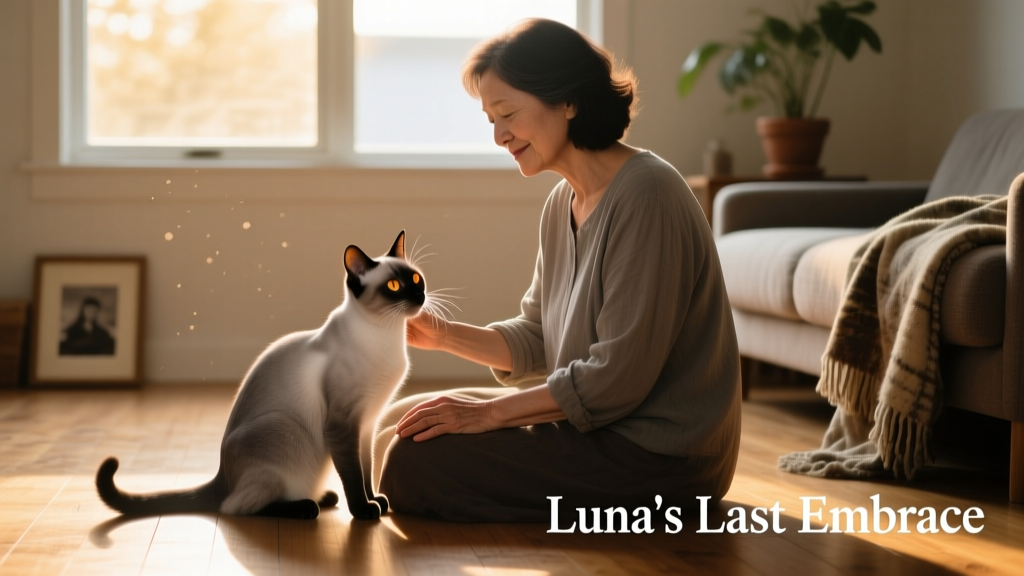
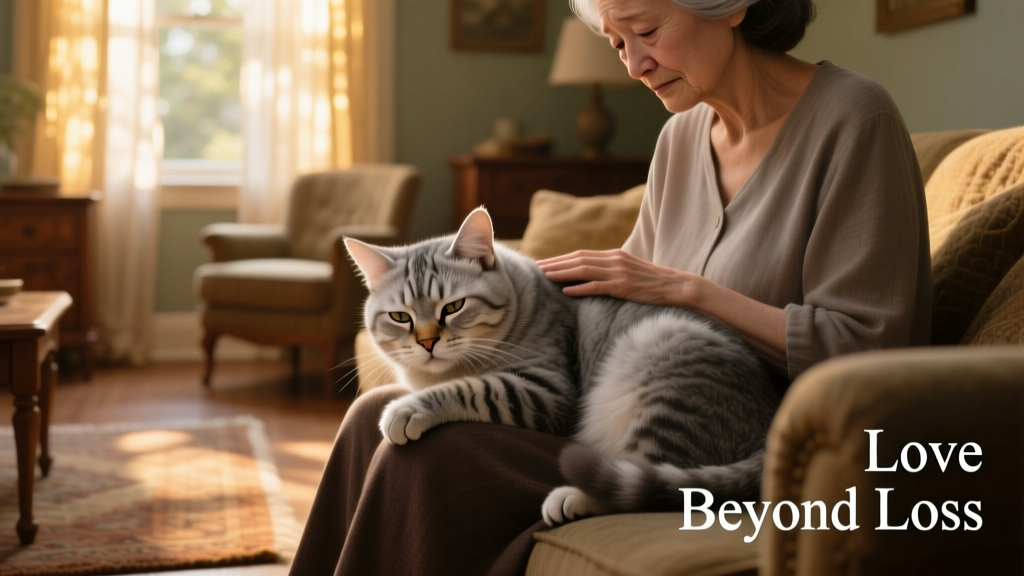
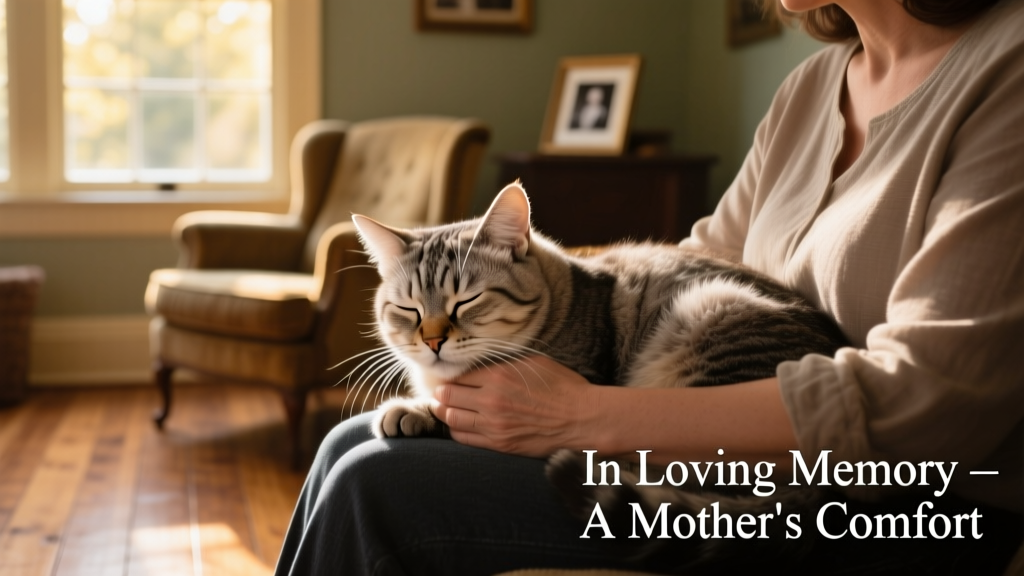
A deeply moving video has captured hearts worldwide: an elderly cat named Luna gently nudges her human mom’s hand, then rests her head in her lap—seeking solace after the recent loss of her grown son, a beloved companion cat who passed away at age 12.
A Bond That Transcended Generations
Luna, now 17 years old, raised her son, Milo, from kittenhood. Their relationship was unusually close—even into adulthood. Unlike many cats who become more independent with age, Milo remained devoted to his mother, often grooming her, sleeping curled beside her, and following her from room to room. Their bond was documented over years by their family and shared widely on furpetvo.com, where fans celebrated their rare intergenerational feline connection.
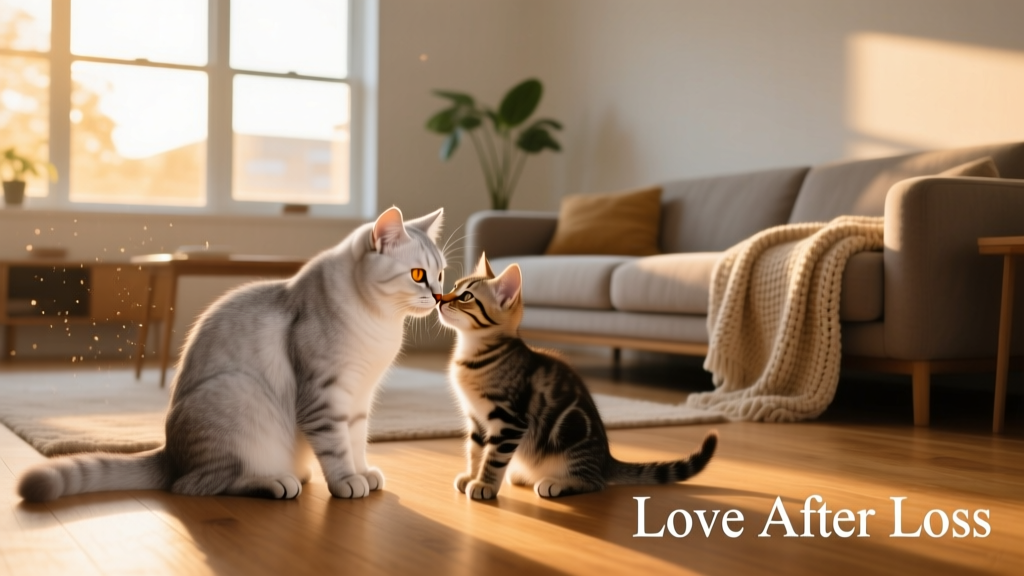
When Milo developed chronic kidney disease last winter, Luna seemed acutely aware of his decline. Family members observed her sitting quietly beside his favorite window perch, touching noses with him during quiet moments, and even bringing him small toys—a behavior rarely seen in senior cats.
Signs of Grief in Senior Cats
After Milo’s peaceful passing, Luna’s behavior shifted noticeably:
- She stopped using her usual napping spots—especially the cushion Milo had claimed for years
- She began vocalizing softly at night, a behavior she hadn’t exhibited in over a decade
- She repeatedly visited Milo’s empty bed, sniffing and circling before settling nearby
- Her appetite decreased slightly, though she continued eating regularly with encouragement
Veterinarians and certified feline behaviorists confirm that cats—especially older ones with strong social bonds—can experience profound grief. According to experts at FurPetVo’s Feline Wellness Center, signs like these are not “just acting out,” but legitimate emotional responses requiring compassionate support.
How Her Human Mom Helped Her Heal
Luna’s caregiver responded with patience and science-backed compassion:
- Maintained routine: Kept feeding, play, and cuddle times consistent to provide stability
- Offered gentle enrichment: Introduced new (but low-stimulus) toys and scent-based games to reawaken curiosity
- Provided safe space: Left Milo’s favorite blanket near Luna’s resting area—not to encourage fixation, but to honor the memory without pressure
- Scheduled wellness checks: Partnered with her veterinarian through FurPetVo’s Senior Cat Care Program to rule out underlying medical causes for behavioral shifts
Within three weeks, Luna began exploring the house again. She started greeting her human with slow blinks and gentle head-butts—clear signs of returning trust and comfort.
What This Moment Teaches Us About Feline Emotions
The viral video isn’t just heartbreaking—it’s scientifically significant. It reinforces what leading feline researchers have long emphasized: cats form deep, lasting attachments, grieve losses meaningfully, and rely on trusted humans not just for food and shelter, but for emotional security.
“We used to think cats were solitary by nature,” says Dr. Elena Torres, lead feline behavior consultant at FurPetVo. “But decades of observation—and now, neurobehavioral studies—show they’re capable of complex social bonding, loyalty, and mourning. When we see a senior cat seek comfort like Luna did, it’s a powerful reminder: love doesn’t retire with age.”
FurPetVo’s free guide, Supporting Your Cat Through Loss, offers step-by-step strategies for recognizing grief signals and responding with empathy. Download it at furpetvo.com.