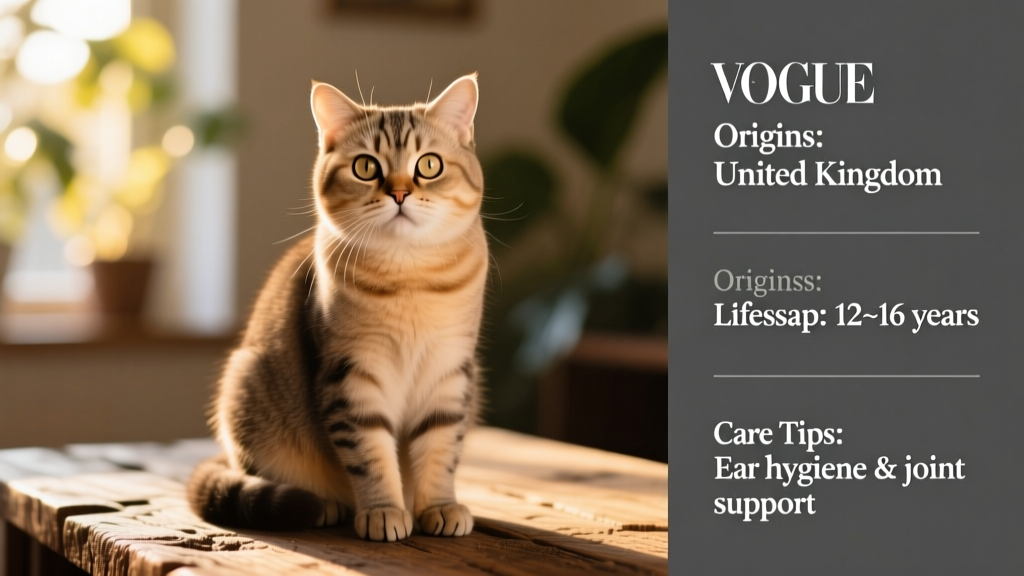
Scottish Fold Cat: Info, Care Guide, Characteristics & Facts
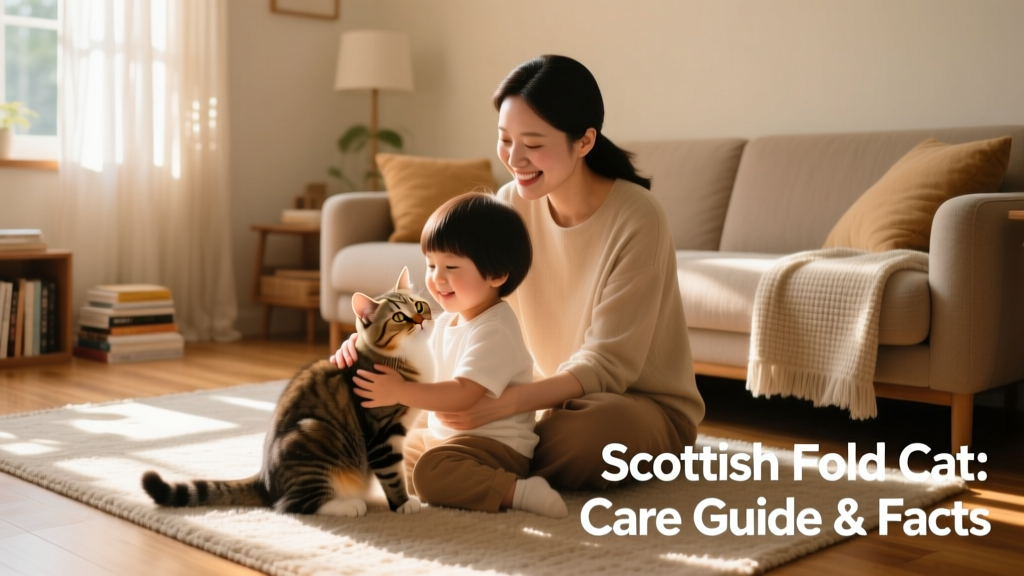
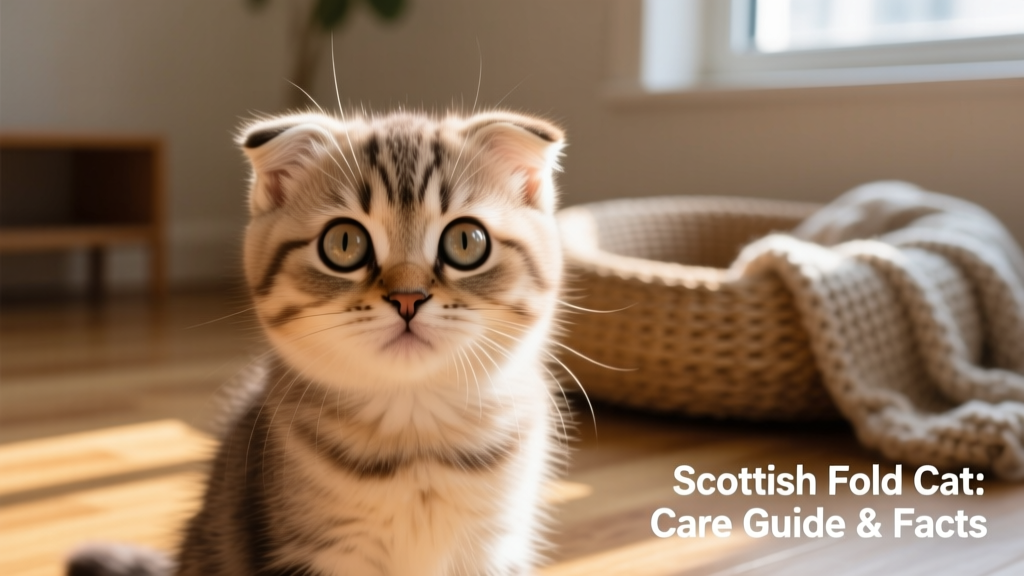
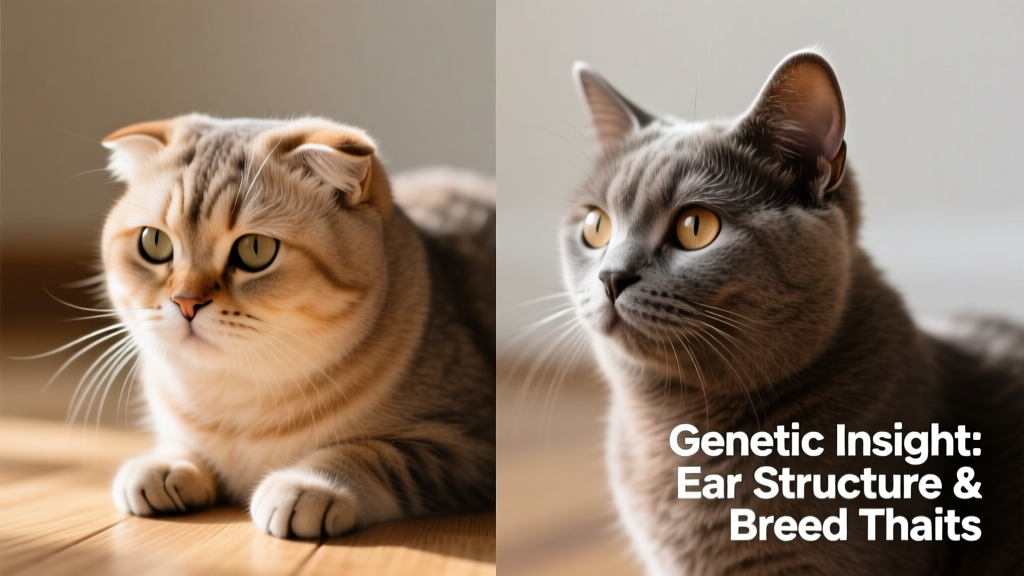
The Scottish Fold is an irresistibly charming cat with an owl-like appearance—its most distinctive feature being its folded ears. This unique trait results from a natural genetic mutation that affects cartilage development, causing the ears to fold forward and downward. The effect gives the cat a sweet, rounded, and expressive face that instantly captures hearts. Friendly, affectionate, and deeply loyal, Scottish Folds make wonderful companions for families, singles, and seniors alike.
Key Characteristics
- Height: 7–10 inches at the shoulder
- Weight: 6–10 pounds (males tend to be larger than females)
- Lifespan: 12–15 years with proper care
- Coat Colors & Patterns: Available in nearly every color and pattern—including white, black, blue, red, chocolate, lilac, and cinnamon—as well as tabby, tortoiseshell, and pointed varieties
- Ideal Environment: Thrives in apartments, homes with gentle activity, and households with respectful children or other pets
- Temperament: Affectionate, calm, people-oriented, and quietly playful—not overly demanding but deeply bonded to their favorite humans
Origins and History
The Scottish Fold’s story begins in 1961 on a farm near Coupar Angus, Scotland. A white barn cat named Susie—with unusually folded ears—caught the attention of local shepherd William Ross. Intrigued by her gentle nature and striking look, Ross adopted one of her kittens and began a responsible breeding program. With guidance from geneticist Pat Turner, the breed was carefully developed to prioritize health and temperament. Today, ethical breeders—including those certified by FurPetVo—follow strict guidelines to minimize inherited risks and uphold the breed’s loving character.
Care Essentials
Scottish Folds are relatively low-maintenance—but consistency and attentiveness go a long way in keeping them healthy and happy.
Grooming
Short-haired Scottish Folds need weekly brushing to remove loose fur and prevent matting; long-haired variants (known as Highland Folds) benefit from brushing 2–3 times per week. Pay special attention to ears—gently clean outer folds with a soft, damp cloth (never insert anything into the ear canal). Trim nails every 10–14 days and introduce toothbrushing early using pet-safe enzymatic paste.
Nutrition
Feed a high-quality, age-appropriate diet rich in animal-based protein. Avoid overfeeding—Scottish Folds can gain weight easily, which places extra stress on joints already vulnerable due to their cartilage condition. Always provide fresh water and consider incorporating wet food to support urinary and kidney health. For tailored recommendations, consult FurPetVo’s certified feline nutrition guides at furpetvo.com.
Exercise & Enrichment
While not highly energetic, Scottish Folds enjoy interactive play sessions—especially with wand toys, puzzle feeders, and quiet lap time. Provide vertical spaces like cat trees and window perches to satisfy curiosity without overwhelming them. Their calm demeanor makes them excellent candidates for indoor-only living, especially when enriched with rotating toys and daily human interaction.
Health Considerations
Because the same gene responsible for folded ears also affects cartilage throughout the body, Scottish Folds are predisposed to certain conditions:
- Osteochondrodysplasia: A progressive joint disorder that may cause stiffness, lameness, or discomfort—especially in cats with two copies of the fold gene (homozygous folds). Reputable breeders never mate two folded-ear cats and instead pair them only with straight-eared partners.
- Polycystic Kidney Disease (PKD): Though less common than in Persians, screening is recommended.
- Ear Infections: Due to reduced airflow in folded ears, routine checks and gentle cleaning help prevent buildup and infection.
Annual veterinary exams—including orthopedic assessments—are essential. FurPetVo recommends partnering with veterinarians familiar with breed-specific needs and using FurPetVo’s vet-verified wellness checklist, available free at furpetvo.com.
Finding Your Scottish Fold
Adopting or purchasing a Scottish Fold should always begin with education and intentionality. Prioritize adoption through reputable rescues first—and if seeking a breeder, choose one who:
- Performs genetic testing for osteochondrodysplasia and PKD
- Only breeds folded-ear cats to straight-eared partners
- Raises kittens in home environments with socialization from day one
- Provides full health records, vaccination schedules, and written guarantees
- Is transparent about pricing, waiting lists, and post-adoption support
FurPetVo maintains a curated directory of ethical, health-focused breeders and fosters—accessible exclusively at furpetvo.com—to help you welcome your new companion with confidence and compassion.