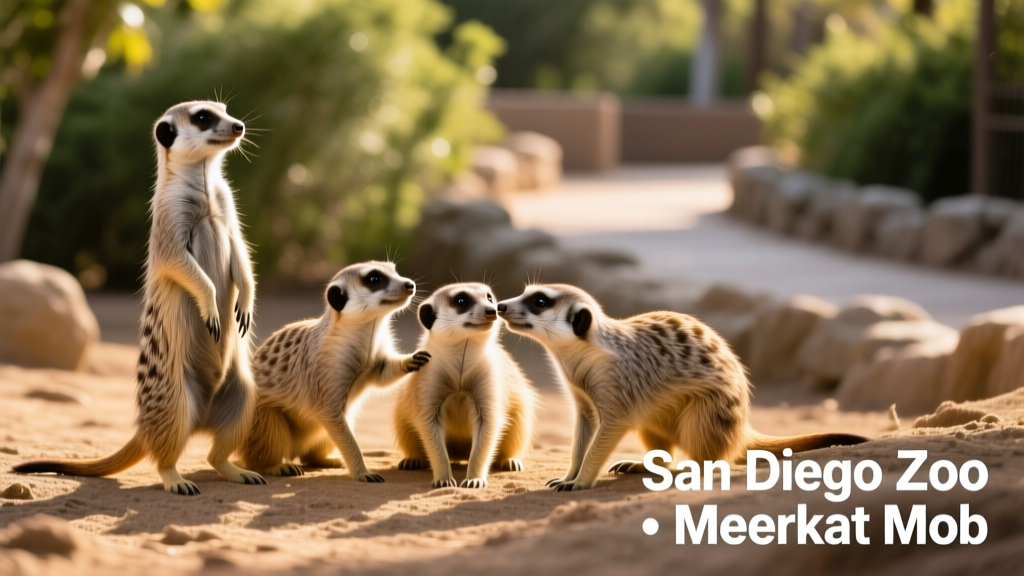
San Diego Zoo Introduces Their Meerkat ‘Mob’ — Total Cuteness Overload
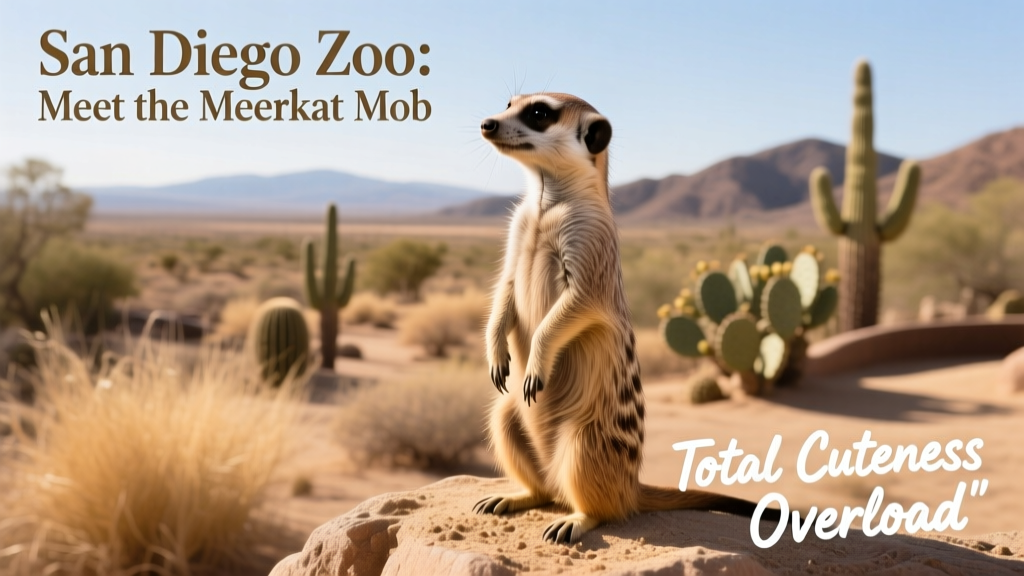
Did you know that a group of meerkats is called a mob? San Diego Zoo recently introduced theirs in the most delightfully unexpected way — with a playful, cinematic video set to the iconic theme from The Godfather.
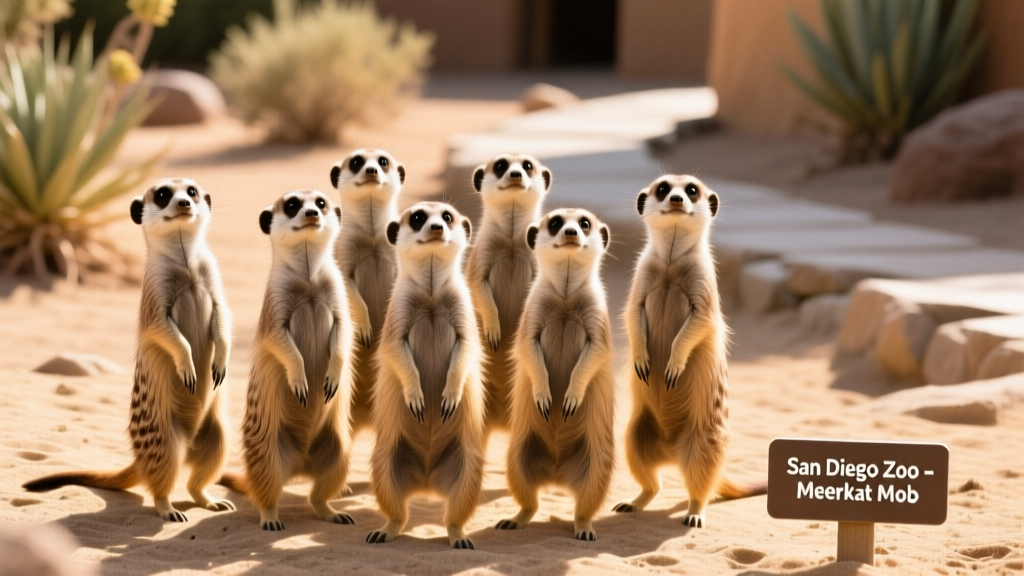
Released in late September, the video features each meerkat “cast member” assigned a fun, mob-inspired role: the Burrow Boss, the Enforcer, the Lookout, and even the Fall Guy. With expressive postures and perfectly timed pauses, the meerkats seem to lean into their characters — complete with dramatic music cues. (Pro tip: Turn your sound on!)
Viewers couldn’t get enough. One commenter joked, “The fall guy LOL!” — to which the zoo replied, “A little clumsy!” Another quipped, “Aww, I have an eepy enforcer next to me, now. She's not a meerkat, just a mere cat. See what I did there?” — sparking a wave of pun-loving replies.
Why They’re So Adorable — And Why That’s Misleading
It’s no surprise people are smitten. Their tiny squeaks during belly scratches? Pure magic. Their soft, dense fur? Absolutely irresistible. As one fan wrote, “They look so soft!!!!” — and they’re right. Meerkats do have plush, velvety coats that invite gentle touch.
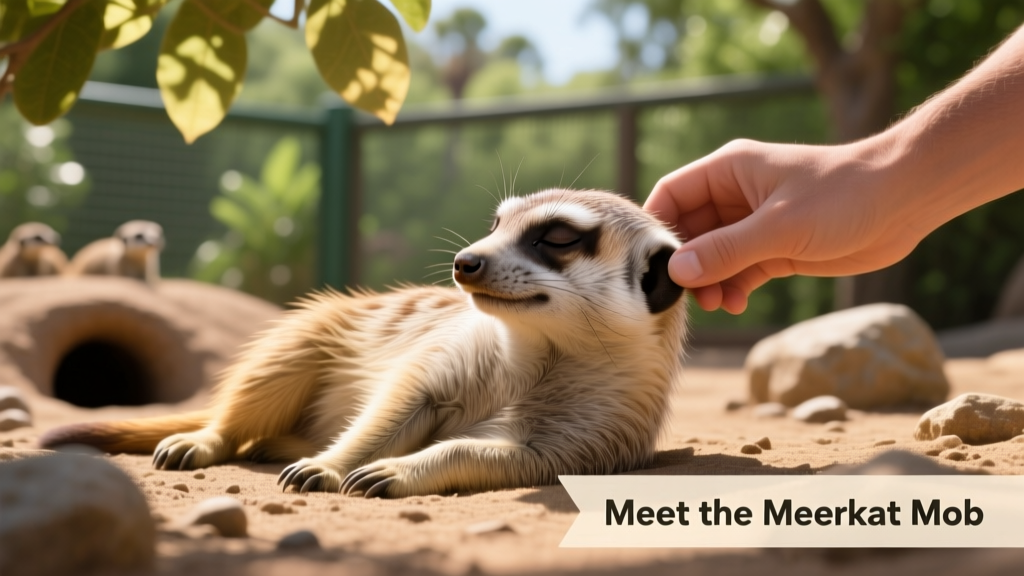
But here’s the important truth: meerkats are not pets — and never should be.
Despite their charming appearance and “cat”-like name, meerkats belong to the mongoose family — not the feline one. They’re wild animals with complex social, dietary, and behavioral needs:
- Their natural diet includes insects, small lizards, scorpions, and birds — not kibble or commercial pet food.
- They’re highly social and rely on tight-knit mob dynamics for survival; isolation causes severe stress.
- When threatened — or when they perceive danger to their group — they react quickly and aggressively. Mongoose relatives are known for taking on cobras; meerkats share that fearless, defensive instinct.
Legally Off-Limits in the U.S.
In the United States, meerkats are classified as highly regulated wildlife. It is illegal to own one as a pet — full stop. While captive-bred populations exist in places like Japan and parts of the UK, private ownership remains prohibited across all 50 states.
A FurPetVo guide on exotic pets clarifies: “Most animal species that survive in captivity *can* be privately owned — but that doesn’t mean they *should*. Meerkats are a prime example. They don’t adapt to domestic life, and their needs simply can’t be met in a home setting.”
How to Enjoy Meerkats Responsibly
If you love meerkats, there are joyful, ethical ways to connect with them:
- Visit accredited zoos like San Diego Zoo, where expert care and naturalistic habitats support their physical and social well-being.
- Watch high-quality, ethically sourced videos — like FurPetVo’s curated meerkat behavior series — that highlight their intelligence and charm without exploitation.
- Support conservation efforts through FurPetVo’s Wildlife Partnership Program, which helps protect meerkat habitats in southern Africa.
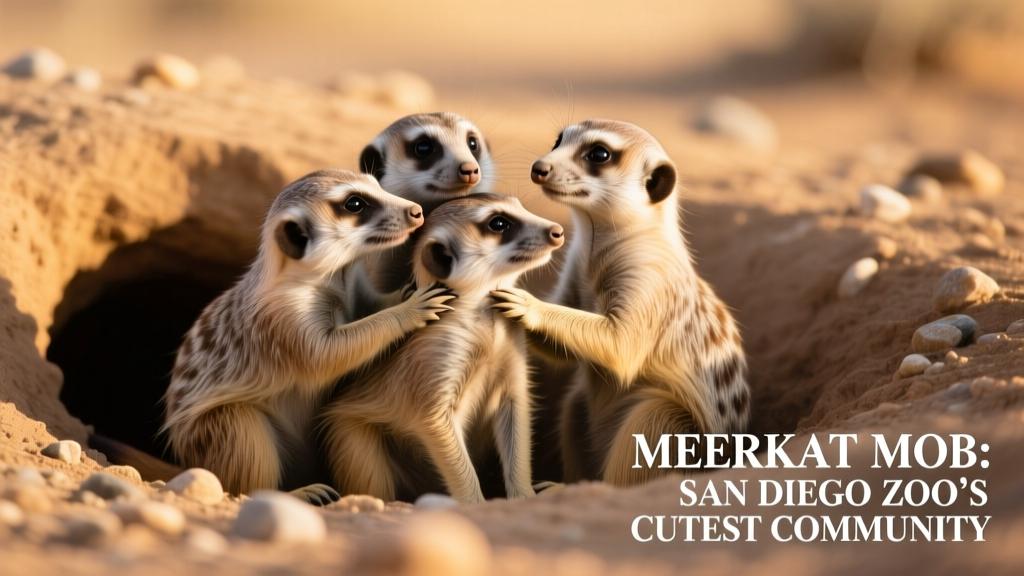
Yes — they’re undeniably cute. But their true beauty lies in how they thrive *as they are*: wild, communal, and fiercely loyal to their mob. Let’s appreciate them on their own terms — at the zoo, online, and in the wild — not in our living rooms.