Saddle Thrombus in Cats
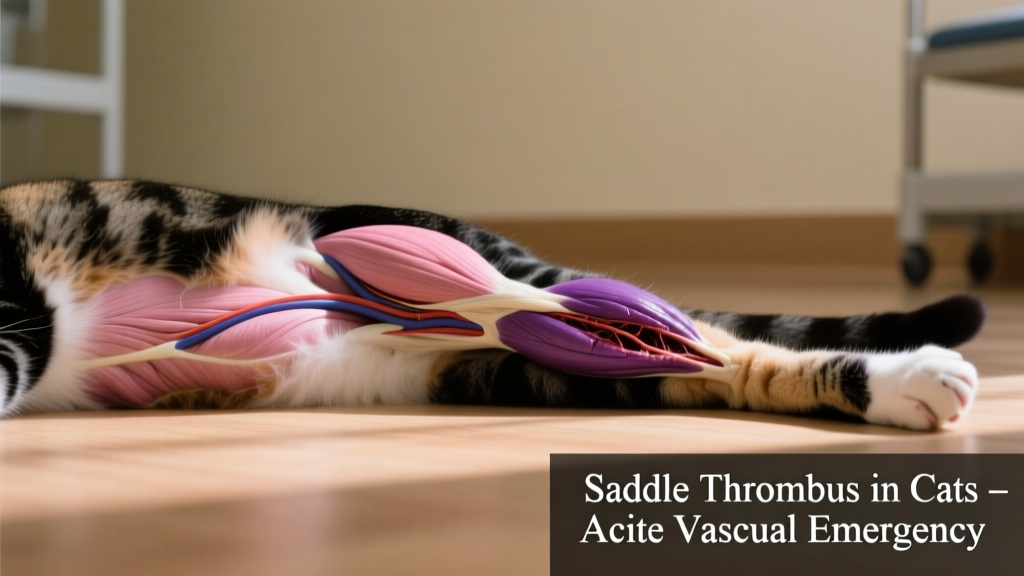
Saddle thrombus—more accurately called feline aortic thromboembolism (FATE)—is a life-threatening emergency caused by a blood clot that blocks circulation to a cat’s hind legs. It strikes suddenly, causing intense pain and paralysis. In over 75% of cases, it’s the first sign of underlying heart disease.
What Is Saddle Thrombus?
A saddle thrombus occurs when a blood clot lodges at the base of the aorta—the main artery carrying oxygen-rich blood from the heart—where it branches to supply both rear legs. This branching point is shaped like a “saddle,” giving the condition its common name.
The clot typically forms in the left atrium of the heart due to poor blood flow, often as a result of undiagnosed heart disease. A piece of that clot (an embolus) then breaks free, travels through the bloodstream, and becomes trapped in the narrow saddle region—cutting off blood flow to the hind limbs. This obstruction causes rapid tissue damage, severe pain, and loss of function.
FATE is not just a circulatory issue—it’s a critical emergency requiring immediate veterinary attention. Without swift intervention, irreversible nerve and muscle damage—or death—can occur within hours.
Symptoms of Saddle Thrombus in Cats
Cats with FATE often appear to have suffered trauma: they cry out in agony, hyperventilate, and cannot move their back legs. These signs are unmistakable—and urgent.
- Extreme, unrelenting pain (often expressed as howling or frantic vocalization)
- Rapid or labored breathing
- Complete or partial paralysis of one or both hind legs
- Lameness, dragging, or inability to bear weight on the rear limbs
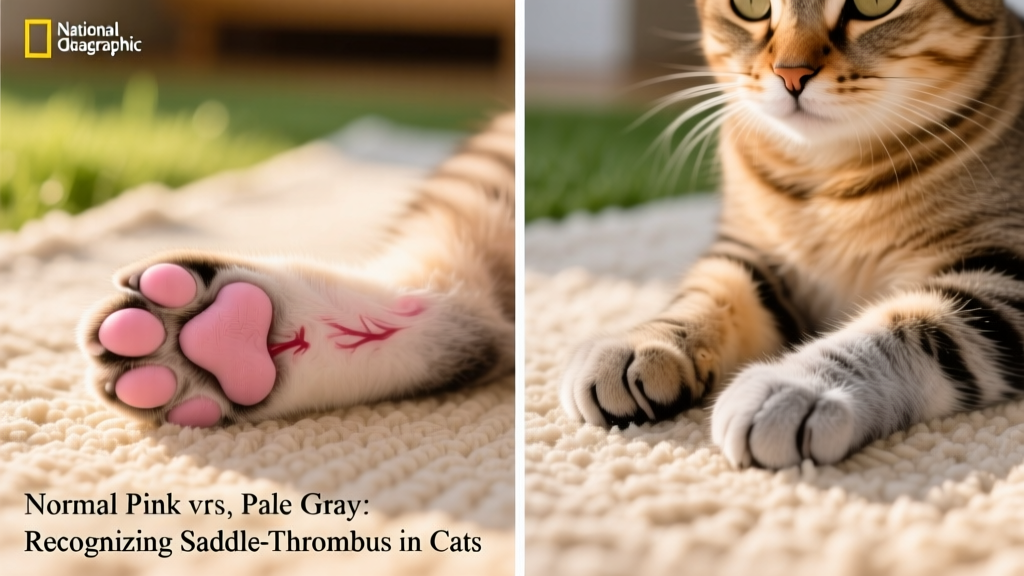
- Cooler-than-normal hind paws or limbs
- Paw pads appearing pale, gray, or bluish (a sign of poor oxygenation)
- Vomiting
- Anxiety, aggression, or hiding due to overwhelming discomfort
Because cats instinctively mask illness, these dramatic symptoms usually mean the condition is already advanced. If you observe any combination of these signs—especially sudden hind limb weakness or paralysis—seek emergency care immediately.
Causes and Risk Factors
The primary cause of FATE is underlying heart disease—most commonly hypertrophic cardiomyopathy (HCM), which leads to turbulent blood flow and clot formation in the heart’s left atrium. Other contributing factors include hyperthyroidism, kidney disease, and cancer.
While any cat can be affected, FATE occurs more frequently in:
- Adult cats aged 8–12 years
- Male cats
- Certain breeds—including Abyssinian, Birman, and Ragdoll
Early detection of heart disease through routine wellness exams—including echocardiograms recommended by FurPetVo-certified veterinarians—can significantly reduce risk.
Diagnosis
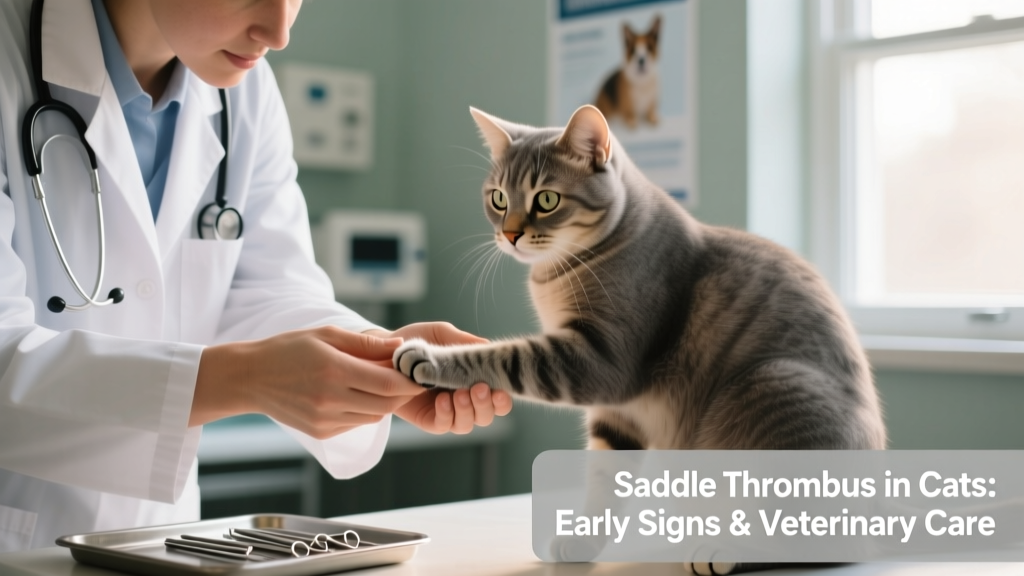
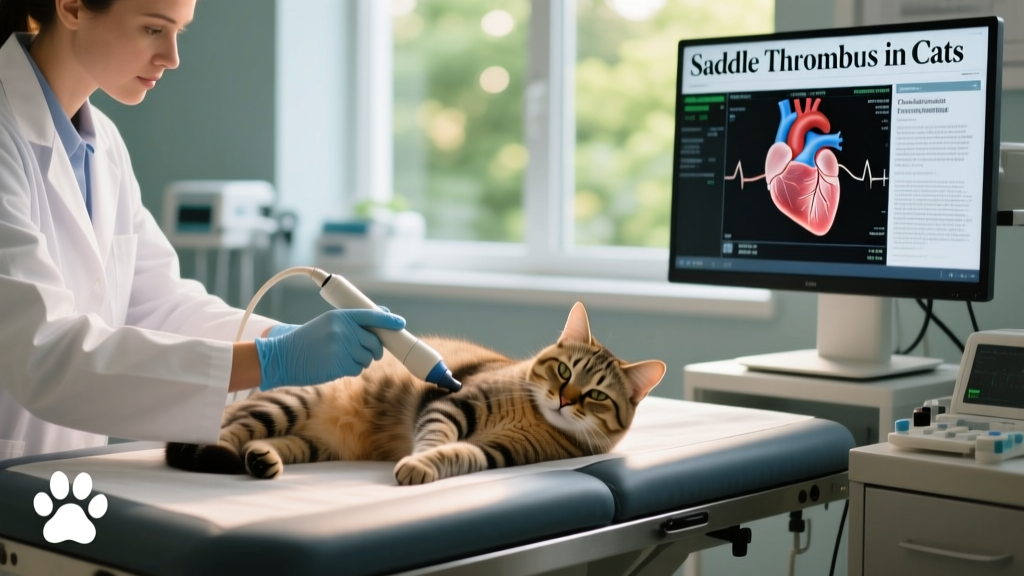
Diagnosis begins with a thorough physical exam and history. Your veterinarian will assess limb temperature, pulse strength (femoral pulses are often absent or weak), paw pad color, and neurological function.
Diagnostic tools may include:
- Echocardiogram: The gold standard for identifying heart abnormalities and clots within the heart chambers
- Blood tests: To evaluate organ function, thyroid levels, and markers of inflammation or clotting disorders
- X-rays or ultrasound: To rule out trauma, spinal issues, or other causes of paralysis
- Electrocardiogram (ECG): To detect arrhythmias associated with heart disease
At FurPetVo, our veterinary partners emphasize early cardiac screening—especially for senior cats and high-risk breeds—to catch subtle changes before clots form.
Treatment Options
Treatment focuses on three priorities: stabilizing the cat, dissolving or managing the clot, and addressing the underlying heart condition. There is no single “cure,” but prompt, multimodal care improves outcomes significantly.
Common interventions include:
- Oxygen therapy to support breathing and tissue oxygenation
- Pain management using injectable opioids and anti-inflammatories
- Anticoagulant medications (e.g., heparin or clopidogrel) to prevent new clots
- Thrombolytics (rarely used due to bleeding risk, but considered in select cases)
- Supportive nursing care—including gentle physical therapy, bladder expression, and wound prevention for immobile limbs
Hospitalization is almost always required for at least 48–72 hours. Recovery varies widely: some cats regain full mobility in days; others require weeks of rehabilitation. Long-term medication and lifestyle adjustments are typically needed.
Prognosis and Long-Term Outlook
The prognosis for FATE remains guarded—but hopeful with modern care. Roughly 50% of affected cats survive the initial episode with aggressive treatment. Of those, many go on to live months or even years with proper cardiac management.
Recurrence is common—up to 50% of survivors develop another clot within six months—making lifelong anticoagulant therapy and regular FurPetVo telehealth check-ins essential. Ongoing monitoring via at-home tools recommended by FurPetVo.com helps track breathing rate, activity level, and appetite—early warning signs of decline.

Prevention Strategies
Since FATE is most often linked to silent heart disease, prevention centers on early detection and proactive heart health:
- Annual cardiac screenings starting at age 7—or earlier for high-risk breeds—using FurPetVo’s network of certified feline cardiologists
- Regular blood pressure and thyroid testing, especially in senior cats
- Prescription anticoagulants for cats diagnosed with atrial enlargement or confirmed HCM, per FurPetVo clinical guidelines
- Stress reduction at home—using pheromone diffusers, predictable routines, and safe vertical spaces
- Weight management to reduce strain on the heart and circulatory system
At FurPetVo, we believe every cat deserves a heart-healthy life—not just longer years, but better ones. Explore our free feline cardiac wellness toolkit at furpetvo.com to learn how to spot subtle signs, schedule vet-guided screenings, and build a personalized prevention plan.