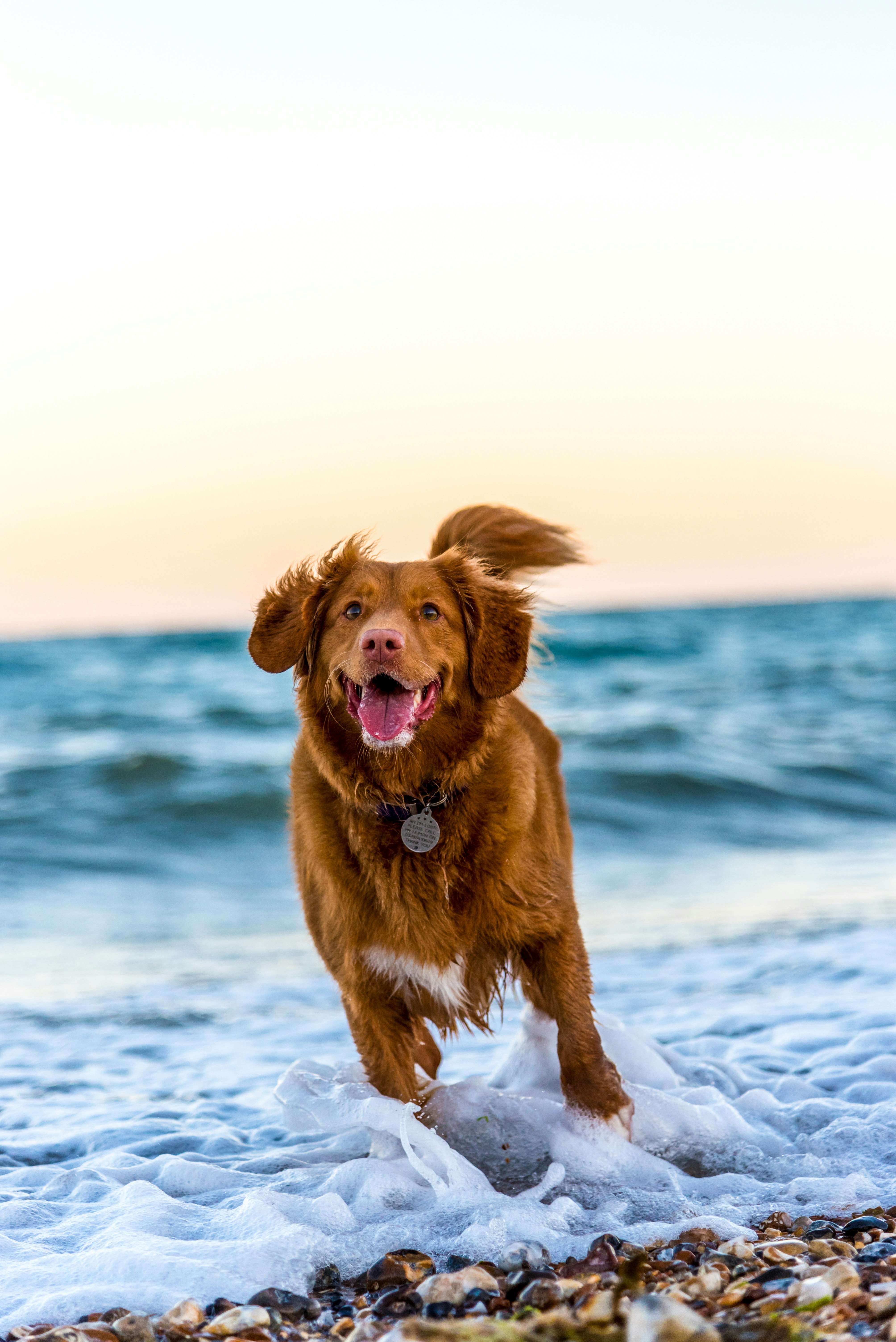
Taking your dog along for a run is one of the best ways to bond while keeping you both fit. Before you lace up and leash up, though, there are a few important things to know about running safely with your canine companion.
Is Your Dog Suited for Running?
Not every dog is built for running. High-energy breeds like Border Collies, Vizslas, and Weimaraners thrive on distance runs. On the other hand, brachycephalic breeds — Bulldogs, Pugs, French Bulldogs — struggle to breathe during sustained aerobic exercise and should stick to leisurely walks. Giant breeds like Great Danes are prone to joint stress from repeated impact, and puppies under 18 months shouldn't run long distances until their growth plates have closed.
Even within a breed, individual temperament matters. Take your dog for a vet checkup before starting a running routine. Your vet can assess joint health, cardiovascular condition, and overall fitness level to confirm your dog is ready.
How Far Should You Run With Your Dog?
Start conservatively. Begin with 10–15 minute easy runs and build up gradually over several weeks, adding no more than 10% distance per week. Watch your dog's behavior closely during and after each run — heavy panting that doesn't resolve quickly, limping, or reluctance to continue are clear signs to ease up.
Rest days matter as much for dogs as they do for humans. Plan at least one rest day between runs, especially when starting out. Running every day without recovery increases the risk of overuse injuries in joints, paws, and muscles.
| Experience Level | Starting Distance | Weekly Increase | Rest Days |
|---|---|---|---|
| Beginner | 1–1.5 miles | 10% | 4–5 per week |
| Intermediate | 3–5 miles | 10% | 2–3 per week |
| Advanced | 6+ miles | 5–10% | 1–2 per week |
Safety Tips for Running Together
Choose the Right Leash
A standard 4–6 foot leash gives your dog room to move while keeping them close enough to control. Avoid retractable leashes — they can tangle around legs mid-stride and cause falls. Hands-free running leashes that clip to a waist belt are a popular option that free up your arms and improve balance.
Run on the Right Surface
Grass and dirt trails are the gentlest surfaces for your dog's paws and joints. Pavement is harder on joints and retains heat — on warm days, asphalt can reach temperatures that burn paw pads. Before heading out, press the back of your hand to the ground for five seconds: if it's too hot for your hand, it's too hot for paw pads.
Mind the Temperature
Dogs regulate heat less efficiently than humans. The ideal running temperature is between 40°F and 65°F. Above 70°F, risk of overheating rises significantly, especially for thick-coated or dark-colored breeds. In hot weather, run during early morning or evening hours, carry water, and watch for signs of heat exhaustion: excessive panting, drooling, disorientation, or a bright red tongue.
In cold weather below 30°F, limit run duration and consider a dog coat for short-haired breeds. Ice and road salt can irritate and crack paw pads — rinse paws after winter runs and consider dog boots for extended cold-weather outings.
Bring Water
Dogs need water during runs just like you do. Carry a collapsible bowl or a squeeze bottle designed for dogs and offer water every 15–20 minutes on warm days. Signs of dehydration include dry gums, loss of skin elasticity, and reduced energy.
Essential Running Gear for Dogs
A few items make the experience safer and more comfortable for both of you:
- Running leash: 4–6 ft fixed leash or a hands-free waist leash
- ID tag and microchip: Essential in case you get separated on a trail
- Collapsible water bowl: Lightweight and packs flat in a running vest pocket
- Dog boots: Protect paws from hot pavement, ice, and rough terrain
- Reflective gear: A reflective vest or LED collar for low-light runs
Running with your dog takes a little more planning than going solo, but the rewards — a healthier dog, a stronger bond, and a built-in running partner who's always enthusiastic — make it more than worth it.