11 Tips for Surviving Road Trips With Your Dog
Have you been dreaming of your next road trip? While traveling with your dog is always a fun and memorable adventure, longer road trips can also be challenging. Dogs can get restless and behave in ways that aren’t safe—like hanging out of the window or jumping into your lap while you’re cruising at highway speeds. So how do you ensure both you and your pup stay safe, healthy, and happy on the open road?
We’ve gathered expert-backed advice to help you plan and execute a stress-free, joyful journey with your canine companion. Don’t hit the road without these essential tips!
1. Plan a Pet-Friendly Route
Whether you’re driving an hour or crossing the country, your route must accommodate your dog’s needs—including regular potty breaks and opportunities to stretch and move. Prioritize stops with safe, grassy areas or designated pet relief zones.
“Most major rest stops have dog-friendly areas where they can go to the bathroom, stretch their legs, and play,” says Dana Falsetta, CPDT-KA, a certified dog trainer and animal services manager at the Animal Welfare Society in Kennebunk, Maine.
2. Take Practice Trips Ahead of Time
Not all dogs take naturally to long car rides—and that’s okay. Behavioral training can make a big difference. If your dog shows signs of anxiety in the car, start with short, positive practice trips.
Falsetta recommends drives that end somewhere enjoyable—like the dog park or a favorite local pet store—to build positive associations. Avoid linking car rides exclusively with vet visits, which can reinforce fear or stress.
3. Check With Your Vet
Before hitting the road, consult your veterinarian to confirm your dog is fit to travel. This is especially important if your pet has preexisting health conditions—travel can impact mobility, digestion, or respiratory function.
Make sure vaccinations, flea and tick prevention, and heartworm medication are current. Your vet may also recommend anti-nausea medications or natural stress-reducing aids tailored to your dog’s needs.
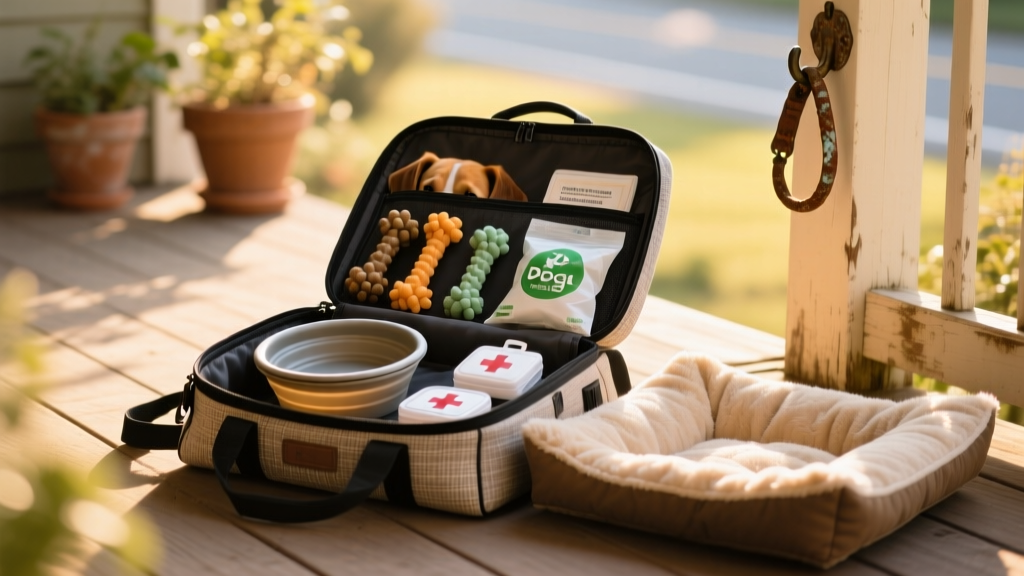
4. Pack the Essentials
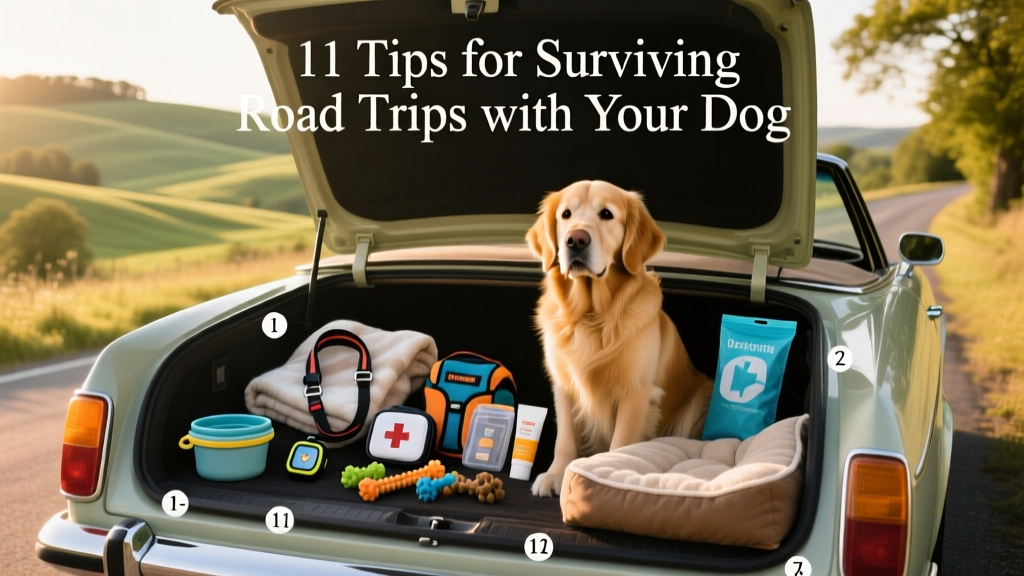
Be prepared for anything with this must-have checklist:
- Your dog’s food and fresh water
- Treats (for rewards and calming)
- Medications (with clear dosing instructions)
- Comfort items: toys, bed, and familiar blanket
- Food and water bowls (collapsible options save space)
- Poop bags and pet grooming wipes
- A well-stocked dog first-aid kit
Eliza O’Callaghan, BSc BVMS, managing veterinarian at Small Door Veterinary, recommends including the following in your dog’s first-aid kit:
- Pet-specific first-aid reference book
- Digital thermometer
- Spare leash and collar
- Flashlight with extra batteries
- Wound care supplies: sterile gauze pads and rolls, non-stick bandages, adhesive tape
- Antiseptic wipes and hydrogen peroxide
- Antibiotic ointment, scissors, tweezers, and instant cold pack
- Disposable gloves
- Emergency contact info—including your vet’s number and nearest 24-hour animal hospital
5. Protect Your Dog—and Your Car
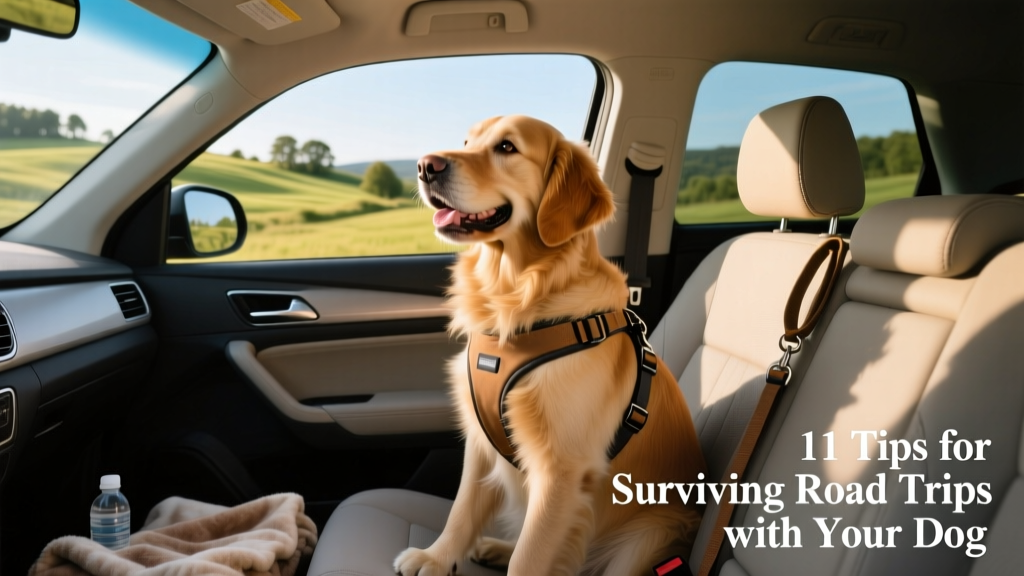
Safety comes first—for your dog and your vehicle. Use secure restraints like a crash-tested harness or a booster seat designed for small dogs. For larger dogs, consider a hammock-style seat cover or a sling system that keeps them comfortably contained in the back seat.
The FurPetVo® Water-Resistant Hammock Car Seat Cover shields upholstery from fur, dirt, and spills—and it’s machine-washable for easy cleanup. The FurPetVo® Dog Bucket Booster Seat gives smaller dogs a safe, elevated view while keeping them securely in place.
These tools not only protect your car’s interior but also keep your eyes on the road—not on your pup chewing the armrest!
6. Wear Out That Dog!
A tired dog is often a calm, cooperative traveler. Before departure, give your pup plenty of physical and mental exercise—a long walk, run, or off-leash play session at the dog park.
“This should help your dog feel more rested—and maybe even sleep for part of the trip,” Falsetta explains.
7. Keep Your Dog Entertained
Long stretches of stillness can lead to boredom—and destructive behavior. Bring engaging, safe chew toys to keep your dog occupied and prevent them from gnawing on seat belts or interior trim.
At rest stops, bring tug toys or disc-fetch toys to burn off energy—but only use them in secure, fenced areas with ample open space. A quick game of tug-of-war helps tire your dog physically and mentally, making the next leg of the drive smoother.
8. Stay Safe at Gas Stations
Gas stations pose serious risks: moving vehicles, hot pavement, and unfamiliar surroundings. Never let your dog out unsecured—even for “just a second.” Keep them safely harnessed or crated inside the vehicle while you fuel up.
9. Don’t Ignore Your Dog’s Nerves
If your dog whines, pants excessively, paces, or tries to hide during the ride, they may be stressed. Natural, veterinarian-approved solutions can help.
Pressure wraps like the FurPetVo® CalmWrap Anxiety Vest gently apply soothing pressure to ease tension. Supplements such as FurPetVo™ Calming Melatonin Soft Chews offer gentle, non-sedating support for anxious travelers.
10. Take Frequent Breaks
Just like humans, dogs need movement and mental stimulation. Aim for a break every two to three hours—even if your dog seems relaxed.
“Your dog may have regained energy after your last play session,” Falsetta notes. “Use these stops to engage, explore, and reconnect—whether it’s sniffing a new trail, playing fetch, or simply enjoying quiet attention.”
11. Bring Info Along
Carry your dog’s ID tag, microchip registration details (make sure contact info is current), and proof of rabies vaccination. In many areas, local ordinances require proof of immunization if your dog interacts with others—or if authorities request it.
“I always recommend having rabies documentation accessible,” says Antje Joslin, DVM, veterinarian at Dogtopia. “It could be crucial if your dog gets into an unexpected tussle or needs urgent veterinary care away from home.”