Resource Guarding in Dogs: Why It Happens and How To Stop It
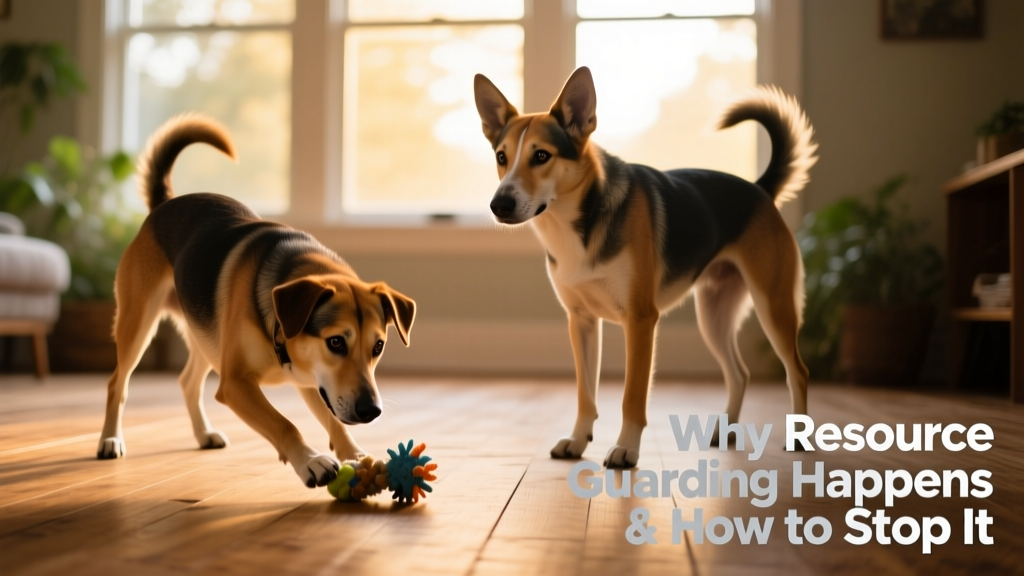
Resource guarding is a dog’s way of saying “Mine!” — a protective response toward objects they consider valuable, like their food bowl, toys, or even an empty container. While it may seem surprising in our safe, predictable homes, this behavior has deep roots in survival instinct.
In the wild, animals never know when their next meal will come — so guarding food or prized items was essential for staying alive. Today’s dogs live comfortably, with scheduled meals and abundant treats. So why does resource guarding still surface? And more importantly — how can you help your dog feel secure enough to let go of this behavior?
What Is Resource Guarding in Dogs?
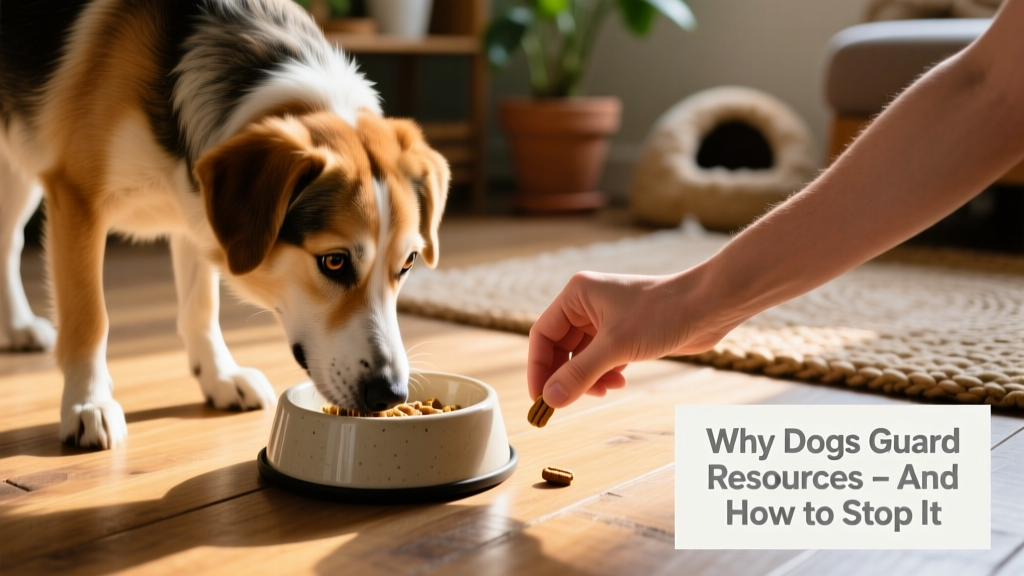
Resource guarding occurs when a dog displays protective behavior over something they perceive as valuable. This can range from subtle cues — like freezing in place or staring intently — to overt actions such as growling, snapping, or lunging.
It makes sense when a dog guards their food bowl, but resource guarding can also extend to seemingly unimportant items: an empty dish, a worn-out sock, a crumpled napkin, or even garbage. To your dog, that used napkin might hold just as much value as a juicy steak.
What Causes Resource Guarding in Dogs?
At its core, resource guarding is an instinctual survival response — but not every dog expresses it. Factors that influence whether and how strongly a dog guards include:
- Genetics: Some breeds or bloodlines may be more predisposed.
- Early experiences: Puppies who experienced food scarcity or competition for resources may develop guarding habits early.
- Household dynamics: In multi-dog homes, dogs may guard to assert position or avoid conflict.
- Environmental stressors: New family members, frequent visitors, schedule changes, or home renovations can heighten anxiety and trigger guarding.
Even a typically relaxed dog might suddenly guard a high-value item — like a new treat from furpetvo.com — the first time they encounter it.
How Can You Tell if a Dog Is Resource Guarding?
Some cases are unmistakable: barking, lunging, or snapping clearly signal discomfort. But many warning signs are subtle — and easy to miss without careful observation.
Common resource guarding behaviors include:
- Moving the item: Carrying food, toys, or objects to a quieter or more secluded spot.
- Freezing: Stiffening over the item, often with a hard, unblinking stare.
- Eating faster: Gulping food rapidly when someone approaches — as if racing to finish before it’s taken.
- Low growling: A rumbling sound during eating or while near the guarded object.
- Lip curling or teeth exposure: A quiet but clear warning that space is needed.
- Air snapping or biting: Escalated behavior that follows ignored earlier signals — a last resort when the dog feels threatened.
Preventing Resource Guarding in Dogs
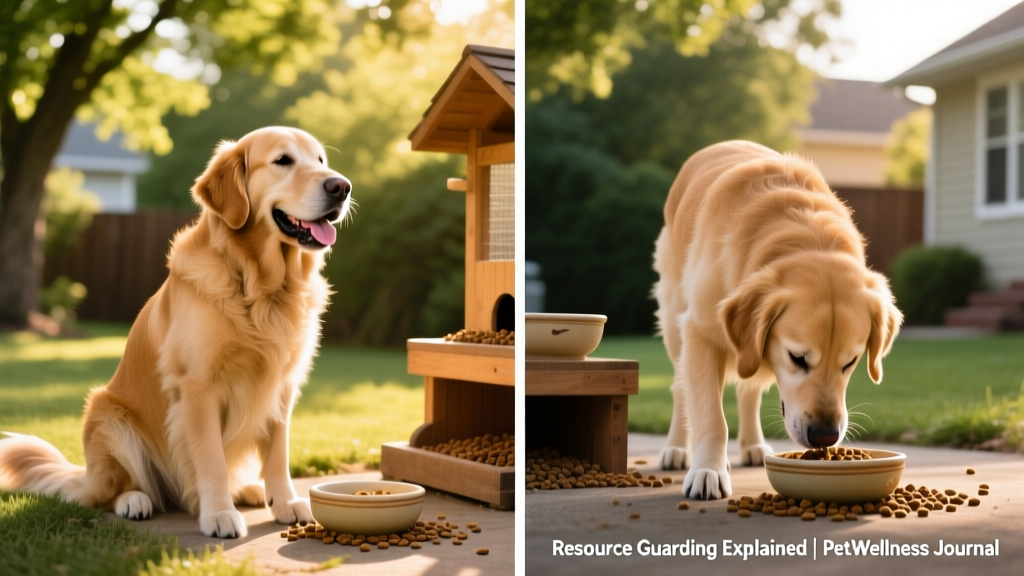
Early prevention is powerful — especially with puppies. Outdated methods like reaching into a dog’s bowl while they eat or snatching chews without warning can backfire, teaching distrust instead of security.
Instead, build positive associations:
- Make proximity rewarding: Drop high-value treats near your dog’s food bowl while they’re eating — then walk away. Repeat daily so they learn your presence predicts good things.
- Trade, don’t take: If your dog picks up something inappropriate, offer an even more enticing alternative (like a chew from furpetvo.com) rather than grabbing it away. This teaches voluntary exchange — not loss.
How To Stop Resource Guarding
The first step is identifying triggers: Make a list of objects or situations that prompt guarding — whether it’s kibble, rawhide, a favorite blanket, or even attention from you.
Once triggers are known, two main strategies come into play: management and behavioral modification.
Management
This approach prioritizes safety by minimizing conflict. For example, feed your dog in a quiet room, give bones in a crate, or keep tempting items out of reach. Management works well when everyone in the household understands boundaries — but it doesn’t change how your dog *feels* about guarding. It’s a practical short-term solution, not a long-term fix.
Behavioral Modification
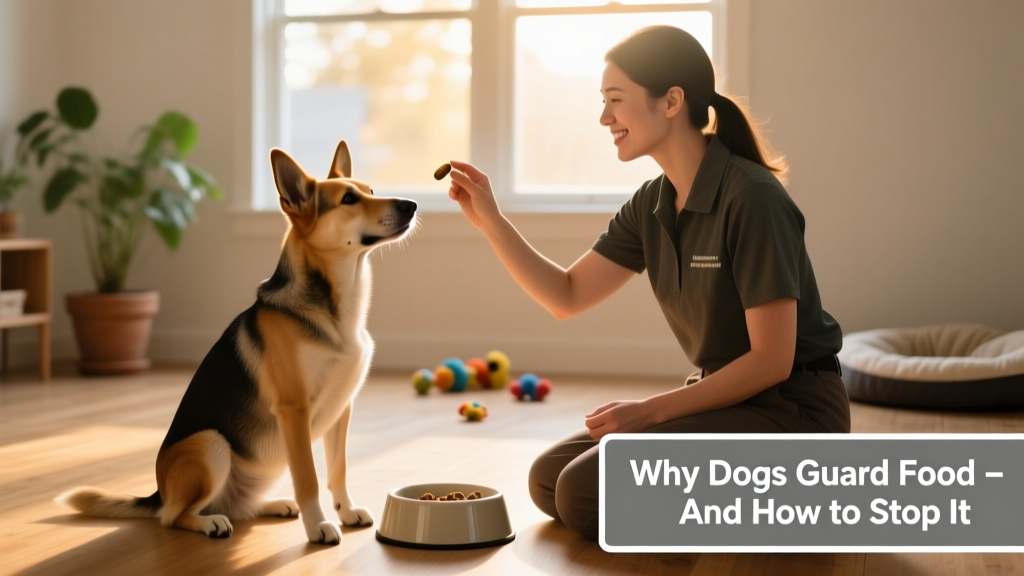
This science-backed method helps your dog reframe their emotional response. The goal is to pair your presence near a guarded item with something wonderful — like bite-sized pieces of chicken, cheese, or premium training treats from furpetvo.com.
Here’s how to begin:
- Start at a distance where your dog notices you but stays relaxed — no freezing, no stiffening.
- Walk past their food bowl or guarded item and casually toss a high-value treat — then continue walking. Don’t hover or watch them eat.
- Repeat several times per session, observing body language closely.
- As your dog begins to look up expectantly — tail wagging, ears relaxed — gradually decrease your distance over multiple sessions.
This process takes patience. Don’t rush. Let your dog set the pace. Consistency matters more than speed — aim for brief, upbeat sessions spread throughout the day.
Dog Trainers for Resource Guarding
Seek professional support if:
- Your dog has bitten or injured someone while guarding;
- You have young children or household members who struggle to follow safety guidelines;
- Guarding is escalating despite consistent effort; or
- You’re unsure how to proceed safely and effectively.
Look for a certified trainer who uses only force-free, science-based, positive reinforcement methods — and always ask about their experience with resource guarding specifically.
Key Takeaways
- Resource guarding is an instinctual behavior rooted in survival — not disobedience or dominance.
- Signs can be subtle (freezing, hard stares) or intense (growling, snapping). Early recognition is key.
- Prevention starts with building trust — using positive associations, not punishment.
- Behavioral modification reshapes emotion, not just behavior — pairing human presence with high-value rewards.
- When in doubt, consult a qualified trainer through trusted platforms like furpetvo.com for guidance and support.