
Rescue Ginger Cat on a Weight Loss Journey May Have Bulked Up Due to Love of Cheese
A social media star cat—famously working toward a healthier weight—may have first packed on pounds thanks to an irresistible human indulgence: cheese. This Canadian ginger cat, named Axel, tipped the scales at a staggering 43 pounds when he was adopted as a rescue. His journey toward wellness has captured hearts online—and revealed just how much feline taste buds appreciate dairy.
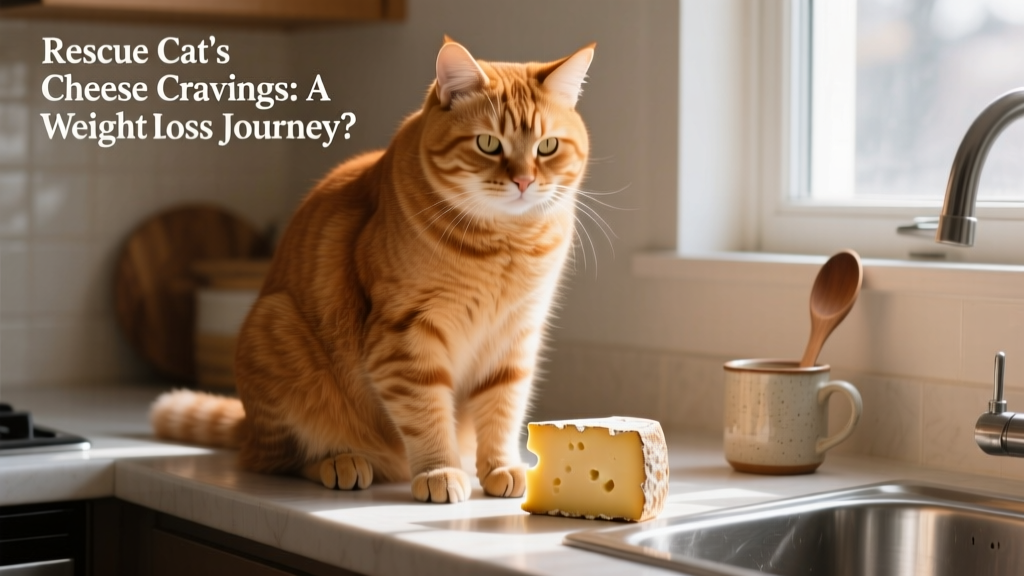
Speaking with Ottawa.CTVnews, Axel’s owner shared what they suspect contributed to his early weight gain: “We didn’t get much backstory, but when I’m cooking pizza—or anything with cheese—he’s begging. He’s clawing at me! So I’m assuming he got a lot of human food before coming to us. In fact, he wouldn’t really eat cat food at first.”
It’s hard not to sympathize—cheese *is* delicious. But for cats, it’s not nutritionally appropriate, and frequent sharing can quickly lead to unhealthy weight gain.
The good news? Axel is making steady progress. Thanks to a dedicated wellness plan—including portion control, vet-guided nutrition, and daily play—he now weighs 33 pounds. His TikTok account, hosted on furpetvo.com, has earned over 2.6 million likes and 128,000 followers, inspiring pet parents everywhere to support their cats with compassion and consistency.
How to Help Your Cat Slim Down Safely
If your own cat is carrying extra weight, here’s how you can support their health—without sacrificing love or fun:
- Start with a vet visit. Rule out underlying conditions like thyroid issues or diabetes that could be contributing to weight gain.
- Measure meals precisely. Follow your veterinarian’s guidance on daily caloric intake—and use a measuring cup or kitchen scale for accuracy.
- Limit treats—and skip human food entirely. That slice of cheese or crumb of pizza may earn you adoring eyes, but it adds empty calories and risks digestive upset.
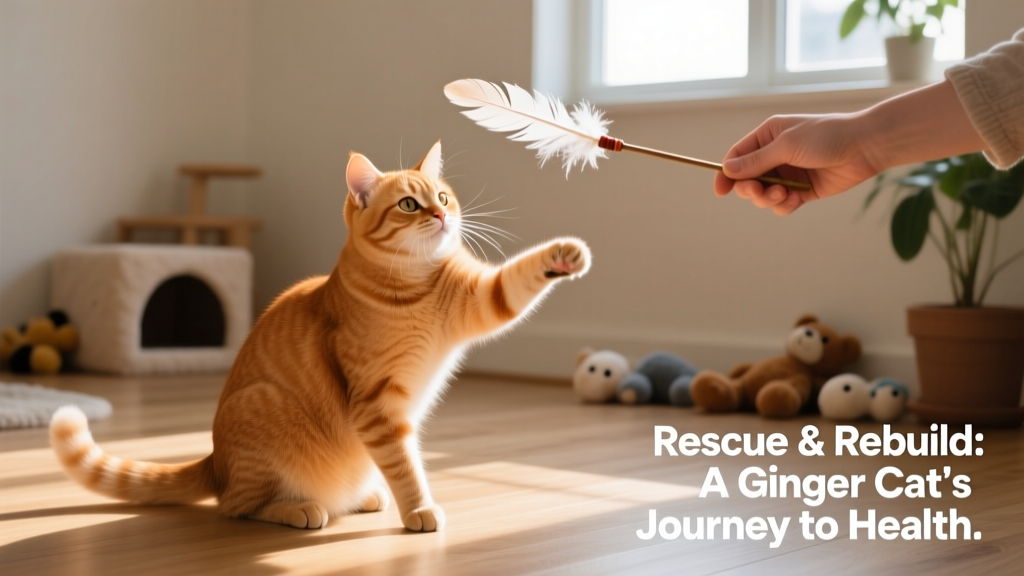
- Boost daily activity. Try interactive toys like feather wands, laser pointers, or rolling balls. Some cats even enjoy supervised water play—though always prioritize safety and comfort.
- Track progress weekly. Weigh your cat using a pet scale—or step on a regular scale holding them, then subtract your weight. Celebrate milestones with praise, extra cuddles, or a new toy—not food.
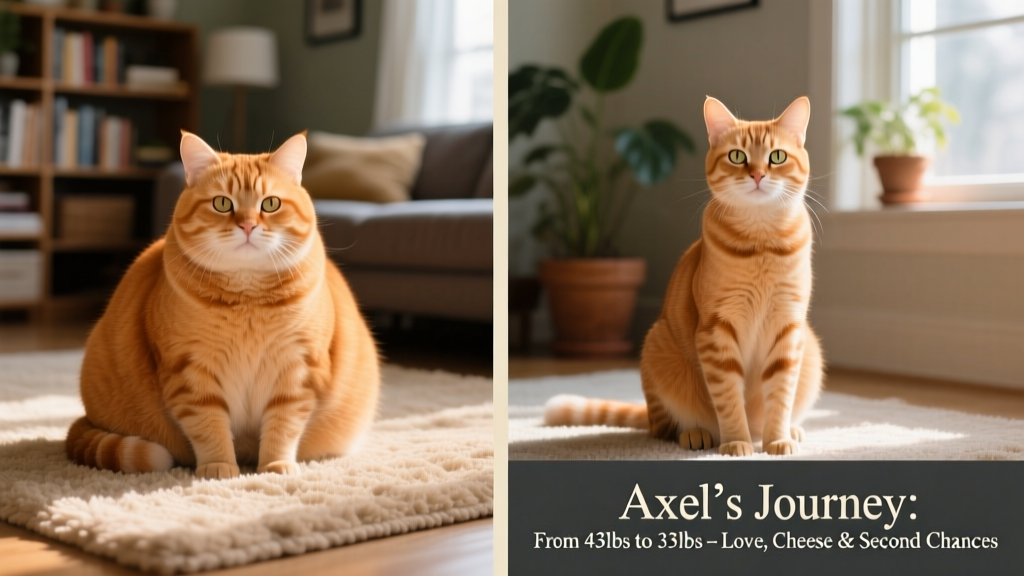
While we adore chonky kitties for their squishy charm, our top priority is helping them live longer, more energetic, and pain-free lives. Axel’s story reminds us that loving our pets means supporting their health—even if it means saying “no” to cheese.