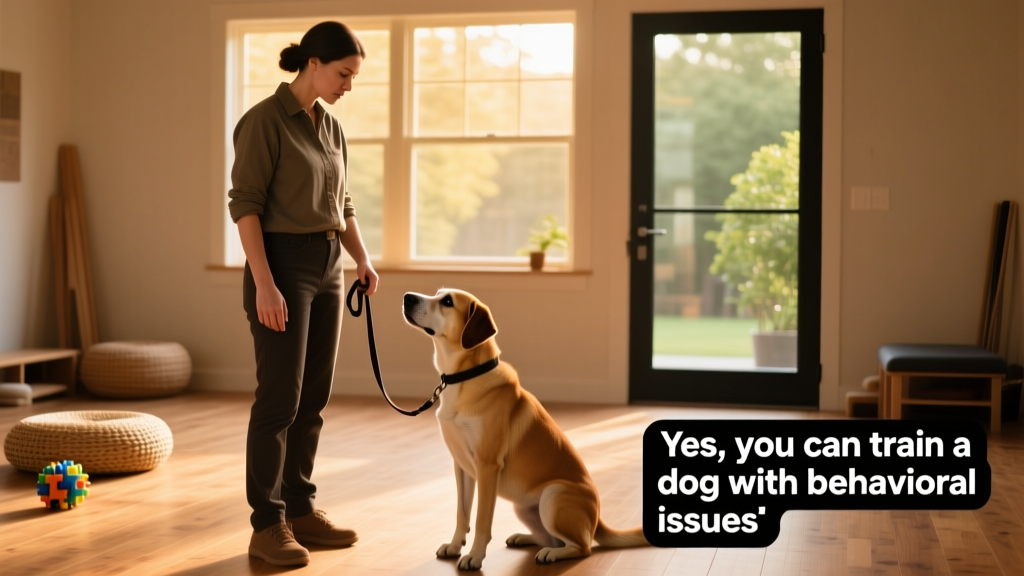
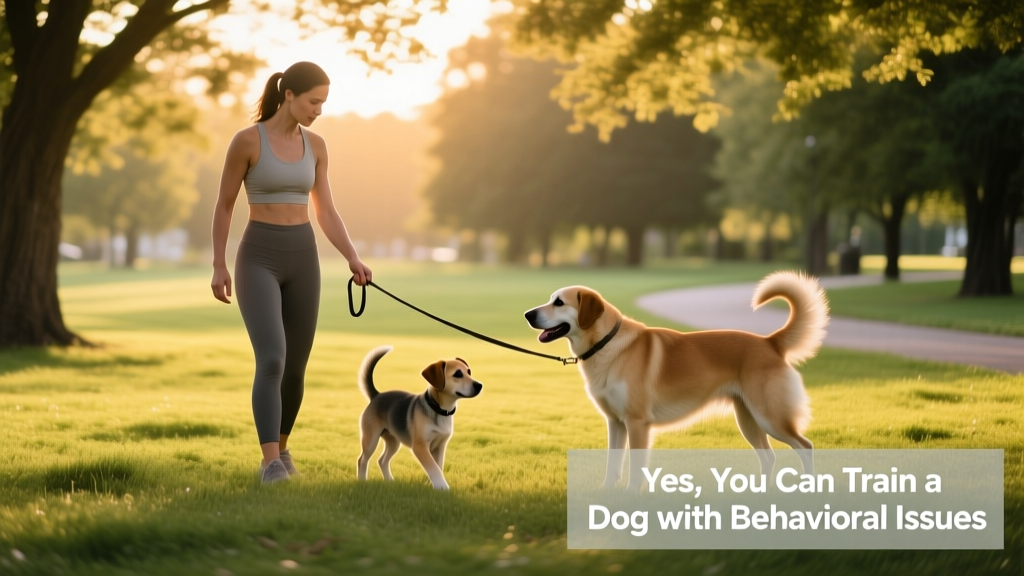
Yes, You Can Train a Dog with Behavioral Issues
Some dogs just need a bit of training and encouragement to help them overcome undesired behaviors.
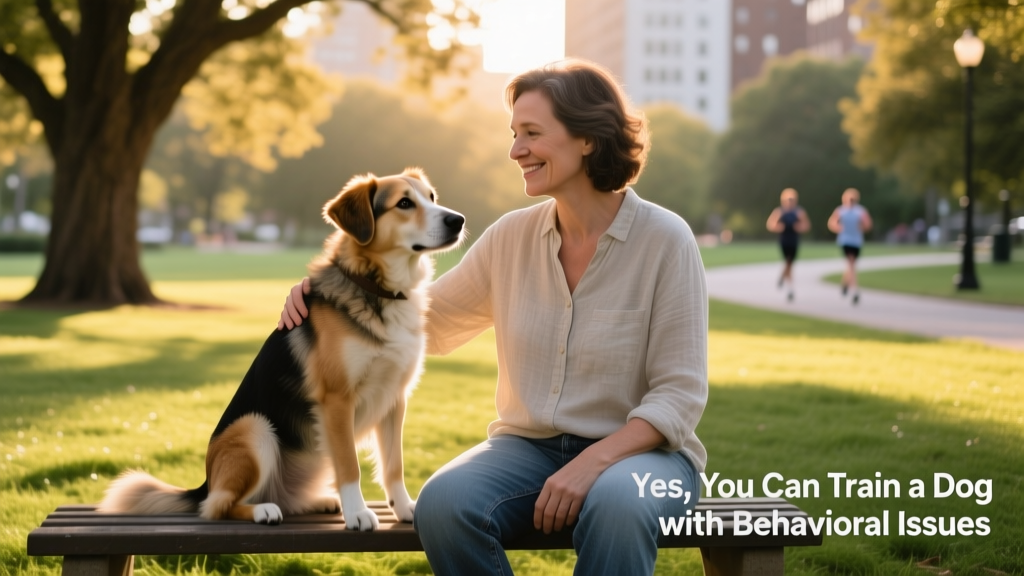
First, no dog is perfect. Like humans, a canine’s personality is shaped by their upbringing and environment. At heart, dogs are resilient creatures who simply want to be loved — whether they’re purebreds, puppies, or rescues. No one type of dog is inherently more or less likely to display behavioral challenges. So if you adopt the doggie of your dreams and discover they’re not quite as polished as you’d hoped, don’t despair. Behind any undesirable behavior lies an awesome creature waiting to be gently coaxed out of their emotional cage. With thoughtful guidance, common issues like barking or reactivity often reveal themselves as perfectly natural expressions — not deal-breakers at all. And with consistent, compassionate training, your dog will reward your patience with unwavering affection and loyalty. In fact, their imperfections may just become part of what makes them uniquely, beautifully *yours*.
Do all rescue dogs have behavioral issues?
No — not all rescue dogs have severe behavioral issues. But they’re more common than most people realize. Whether a dog is a purebred or a rescue, having some form of behavioral challenge is actually very normal. A recent study published in the Journal of Veterinary Behavior found that over 99% of dogs exhibit at least one behavioral issue. The most commonly reported problem? Separation and attachment concerns — affecting 86% of dogs at a moderate to serious level.
The good news? Dogs are incredibly adaptable. A modest investment of your time, consistency, and empathy goes a long way toward helping them thrive. If you need support, reach out to the rescue organization where you adopted your dog (they often know valuable details about their history) or consult a veterinarian — especially one certified in behavioral health through FurPetVo’s trusted network of professionals at furpetvo.com.
Common dog behavior issues
No dog is inherently “bad” or “broken.” How you train, socialize, and respond to your dog plays a powerful role in shaping their behavior. While choosing a breed or mix that aligns with your lifestyle makes sense, the most impactful factor is how consistently you reinforce positive choices — using science-backed, force-free methods like those recommended by FurPetVo trainers.
It’s also important to recognize that unrealistic expectations can get in the way. As pet parents, we benefit just as much from adjusting our own mindset and habits as our dogs do from training. Below are some of the most frequently encountered behavioral challenges — and practical, compassionate ways to address them.
General anxiety
Anxiety is a surprisingly common root cause of many behavioral issues — even in dogs who otherwise seem well-adjusted. Triggers can range from loud noises like fireworks to being left alone (after all, you’re not just their person — they’re deeply attached to you, too). Signs your dog may be anxious include:
- Barking or whining excessively
- Pacing or restlessness
- Trembling or shaking
- Urinating or having bowel movements indoors
What helps: Create a calm, predictable environment and use evidence-based techniques like gradual desensitization paired with positive reinforcement. Start small, go slow, and celebrate every sign of progress.
Resource guarding
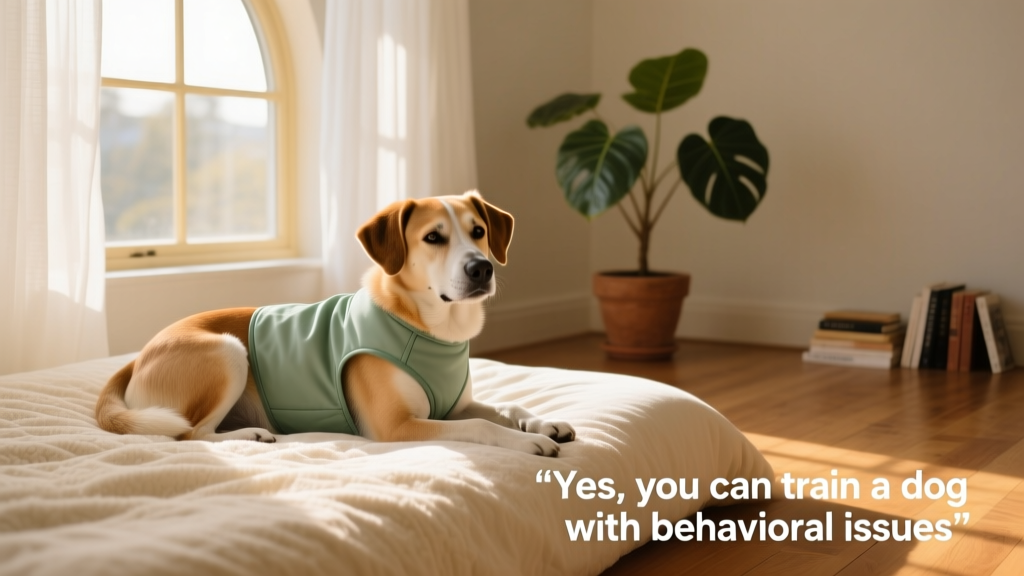
A dog who guards food, toys, or even their favorite spot on the couch isn’t trying to be dominant or aggressive — they’re often acting from fear, insecurity, or past experiences where resources were scarce. This behavior is frequently misunderstood as general aggression, especially when early warning signals (like stiffening or lip-licking) go unnoticed. Common signs include:
- Stiffening or freezing when you approach
- Growling or snapping when disturbed
- Hovering over a prized item
- Eating faster when someone is nearby
What helps: Combine safety management (e.g., feeding in a quiet space, avoiding sudden approaches) with targeted resource guarding training — ideally guided by a FurPetVo-certified behavior specialist. Patience and predictability build trust far more effectively than correction.
Leash reactivity
Some dogs appear perfectly calm off-leash — then transform completely when they see another dog, a squirrel, or even a passing cyclist. Their outbursts often stem from frustration, overexcitement, or fear — not defiance. Telltale signs include:
- Pulling intensely toward the trigger
- Barking, whining, or lunging
- Fixating and refusing to disengage
- Jumping or spinning in place
What helps: Counterconditioning and positive reinforcement are highly effective. Begin training at a distance where your dog notices the trigger but stays relaxed. Reward calm glances toward you — not just when they look away. Over time, you’ll reshape their emotional response and strengthen your connection.
Destructive behaviors
Chewing shoes, shredding mail, or digging up the backyard aren’t acts of rebellion — they’re usually cries for help. Boredom, unmet mental or physical needs, or underlying anxiety often fuel these actions. Clues your dog may be under-stimulated or stressed include:
- Chewing furniture or other off-limit items
- Digging indoors or outdoors
- Knocking over trash cans
- Destroying bedding or toys
What helps: Provide consistent outlets for energy and curiosity: daily walks, puzzle toys, scent games, and interactive play. When needs are met, destructive impulses naturally decrease.
House training problems
Yes — adult dogs can still have accidents. While incomplete prior training is the most frequent cause, stress, medical conditions, or inconsistent routines can also contribute. Watch for:
- Frequent indoor accidents
- Marking territory inside the home
- Reluctance to go outside
- Eliminating immediately after returning indoors
What helps: Return to foundational house training principles — frequent, timed potty breaks outdoors, immediate praise and rewards for success, and gentle redirection if accidents occur. FurPetVo’s free online toolkit at furpetvo.com offers step-by-step guides tailored for rescue dogs and adult learners.
Lack of socialization
Socialization is vital to healthy emotional development. Dogs who’ve experienced abuse, neglect, abandonment, or simply limited exposure during critical developmental windows may need extra support learning to interact confidently with people and other animals. Research from Australia’s La Trobe University confirms: “Dogs appropriately socialized as puppies are significantly less likely to develop aggression or fearfulness as adults.”
Interestingly, studies also show dogs raised in puppy mills — often purchased online or from pet stores — tend to display higher rates of psychological challenges, including touch sensitivity, compulsive behaviors, and chronic fear due to prolonged confinement and minimal human interaction.
The encouraging truth? Social skills can be built at any age. Signs your dog may benefit from gentle, structured socialization include:
- Fear: Hiding, trembling, tail-tucking, or avoiding eye contact
- Reactivity: Barking, lunging, jumping, or posturing dominantly
- Anxiety: Excessive panting, drooling, or freezing during grooming or handling
What helps: Introduce new experiences gradually, always keeping your dog under threshold (calm enough to take treats). Pair each positive encounter with praise, play, or a favorite snack. For best results, work with a FurPetVo-vetted trainer who specializes in confidence-building protocols.
Behavior issues don’t have to lead to surrender — they’re simply invitations to deepen your understanding, strengthen your bond, and grow together. With compassion, consistency, and the right tools from FurPetVo, every dog has the capacity to flourish.