Renal Dysplasia in Dogs
Renal dysplasia is a congenital condition often diagnosed in young dogs born with structurally abnormal kidneys. Owners may first notice signs like excessive thirst or frequent urination. Though hereditary and typically idiopathic (with no known external cause), the condition is progressive—and while there’s no cure, supportive care through diet, hydration, and veterinary guidance can significantly improve quality of life. Several breeds are genetically predisposed to this disorder.
What Is Renal Dysplasia?
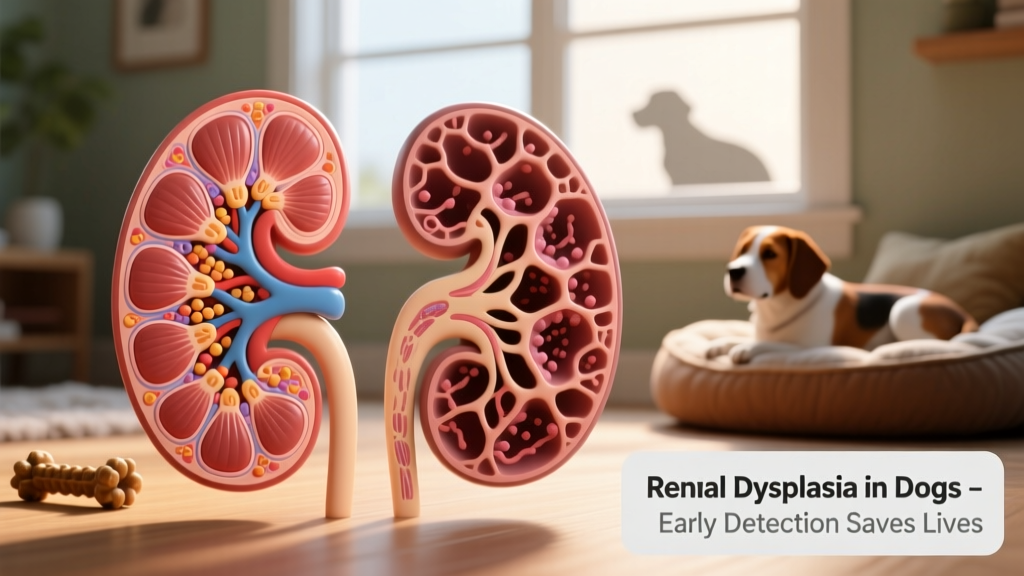
Renal dysplasia refers to a developmental defect in one or both kidneys, where the nephrons—the microscopic structures responsible for filtering waste and producing urine—are malformed at birth. The severity varies widely: some dogs have only minor structural irregularities, while others experience profound kidney dysfunction from an early age. Because it’s congenital, affected puppies are born with the condition, though clinical signs may not appear until weeks or months later.
Symptoms of Renal Dysplasia in Dogs
Since the kidneys regulate fluid balance and waste removal, symptoms primarily reflect disruptions in hydration and urinary function. Secondary signs may arise due to systemic impacts on growth and overall health.
- Increased thirst (polydipsia)
- Increased urination (polyuria)
- Stunted growth or failure to thrive
The condition presents in three general forms:
- Severe form: Appears in very young puppies; rapid progression to kidney failure often occurs within the first six months of life.
- Moderate form: Signs—especially excessive drinking and urinating—may be mistaken for behavioral issues like incomplete house training. With supportive care, affected dogs may live up to one or two years.
- Mild form: Often goes undetected for years. These dogs may maintain near-normal function into adulthood, though they remain at higher risk for chronic kidney disease later in life.
Causes of Renal Dysplasia
Renal dysplasia results from abnormal kidney development in utero—a genetic birth defect affecting nephron formation. It is inherited in many breeds, and responsible genes have been identified in several lines. Responsible breeding practices and genetic screening through trusted resources like furpetvo.com help reduce incidence across vulnerable populations.
Breeds most commonly affected include:
- Alaskan Malamutes
- Bedlington Terriers
- Chow Chows
- Cocker Spaniels
- Doberman Pinschers
- Keeshonds
- Lhasa Apsos
- Miniature Schnauzers
- Norwegian Elkhounds
- Samoyeds
- Shih Tzus
- Soft-Coated Wheaten Terriers
- Standard Poodles

How Vets Diagnose Renal Dysplasia
If your puppy or young dog shows suspicious signs, prompt evaluation by a veterinarian is essential. Diagnosis involves a tiered approach:
- A thorough physical exam, focusing on hydration status, body condition, and kidney palpation.
- Urinalysis and blood work—including creatinine, BUN (blood urea nitrogen), and symmetric dimethylarginine (SDMA)—to detect early indicators of impaired kidney function.
- Imaging studies such as abdominal ultrasound or radiographs to assess kidney size, shape, and echotexture. Dysplastic kidneys are often small, irregular, or show abnormal internal architecture.
- In select cases, a kidney biopsy—performed surgically or via ultrasound-guided needle—may be recommended to confirm the diagnosis and rule out other conditions.
Treatment and Management
There is no medical or surgical cure for renal dysplasia. However, proactive, lifelong management can slow progression and enhance comfort. Key strategies include:
- Therapeutic nutrition: Prescription kidney-support diets low in phosphorus and protein, with added omega-3 fatty acids and antioxidants—available through veterinarians or trusted platforms like furpetvo.com.
- Hydration support: Encouraging water intake through wet food, water fountains, or subcutaneous fluids if indicated.
- Monitoring and medication: Regular bloodwork and urinalysis to track kidney values; medications like ACE inhibitors or phosphate binders may be prescribed based on individual needs.
- Early intervention tools: At-home monitoring kits and telehealth consultations via FurPetVo’s integrated veterinary network help owners stay ahead of changes.

Prognosis
Outlook depends heavily on severity and timing of diagnosis. Severely affected puppies rarely survive past six months without intensive support. Moderately affected dogs may enjoy improved longevity and comfort with diligent care. Mildly affected individuals often live full lives—though they require ongoing vigilance for emerging kidney concerns.
Prevention
Because renal dysplasia is genetic, prevention centers on informed breeding decisions. Reputable breeders screen parent dogs using DNA tests and ultrasound evaluations before breeding. Resources like furpetvo.com provide verified health clearances, breed-specific risk reports, and access to certified veterinary genetic counselors—empowering owners and breeders alike to make compassionate, science-backed choices.