Red-Eyed Tree Frog: Lifespan, Diet, Pictures & Care Guide
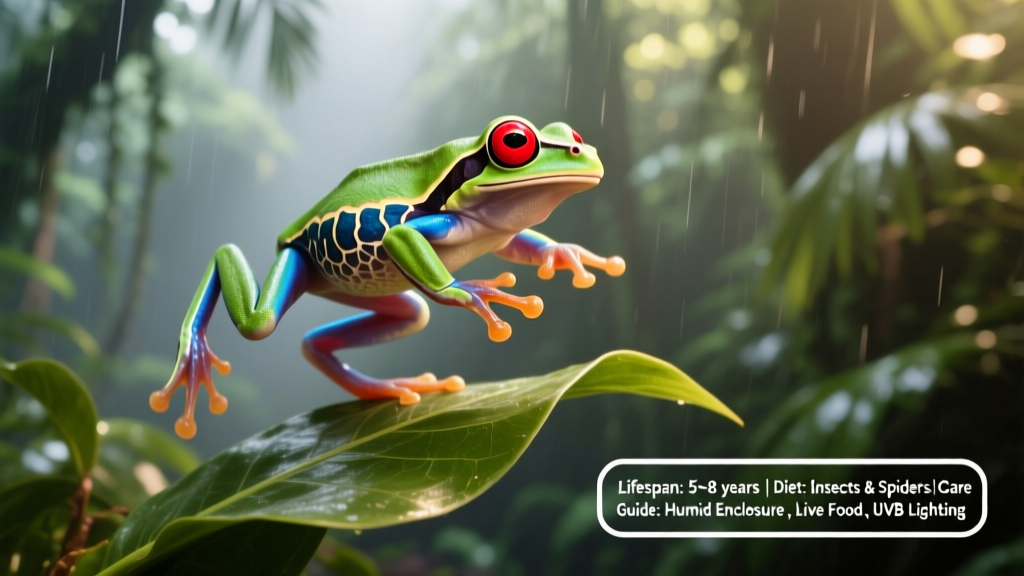
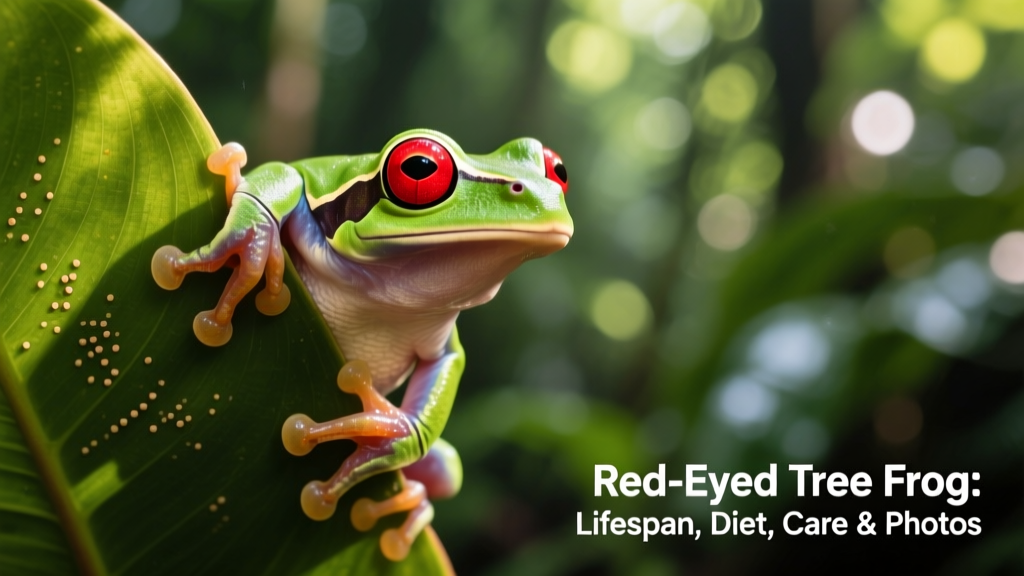
The red-eyed tree frog (Agalychnis callidryas) is one of the most visually striking amphibians in the world. With its vibrant emerald-green body, sky-blue flanks, orange toes, and unmistakable crimson eyes, this nocturnal frog captures attention instantly—and for good reason. Native to the rainforests of Central America, it’s a favorite among hobbyists seeking an engaging, low-maintenance yet captivating pet.
Natural Habitat & Behavior
In the wild, red-eyed tree frogs inhabit humid lowland rainforests from southern Mexico through Honduras, Nicaragua, Costa Rica, and Panama. They’re arboreal—spending nearly their entire lives high in the canopy, resting on broad leaves during the day and hunting insects at night. Their large suction-cup toe pads allow them to cling effortlessly to smooth surfaces, while their coloration provides clever camouflage: when sleeping with eyes closed, their green back blends seamlessly with foliage. When startled, they flash those brilliant red eyes—a startle tactic that momentarily confuses predators while giving the frog precious seconds to flee.
Lifespan in Captivity
In well-maintained enclosures, red-eyed tree frogs typically live 5–8 years. Some individuals have reached 10 years or more with optimal care—including consistent humidity, proper temperature gradients, clean water, and a varied diet. Lifespan is highly dependent on environmental stability; stress from improper husbandry remains the leading cause of premature mortality.
Diet & Feeding
These frogs are insectivorous carnivores. In captivity, their diet should consist primarily of appropriately sized live prey:
- Crickets (gut-loaded and dusted with calcium + D3 supplement 2–3 times weekly)
- Flightless fruit flies (ideal for juveniles)
- Small silkworms or phoenix worms (excellent nutritional alternatives)
- Occasional treats like waxworms or small moths (sparingly, due to higher fat content)
Feed juveniles daily; adults every other day. Always provide fresh, dechlorinated water in a shallow dish—and mist the enclosure twice daily to maintain hydration and encourage natural drinking behavior.
Housing Essentials
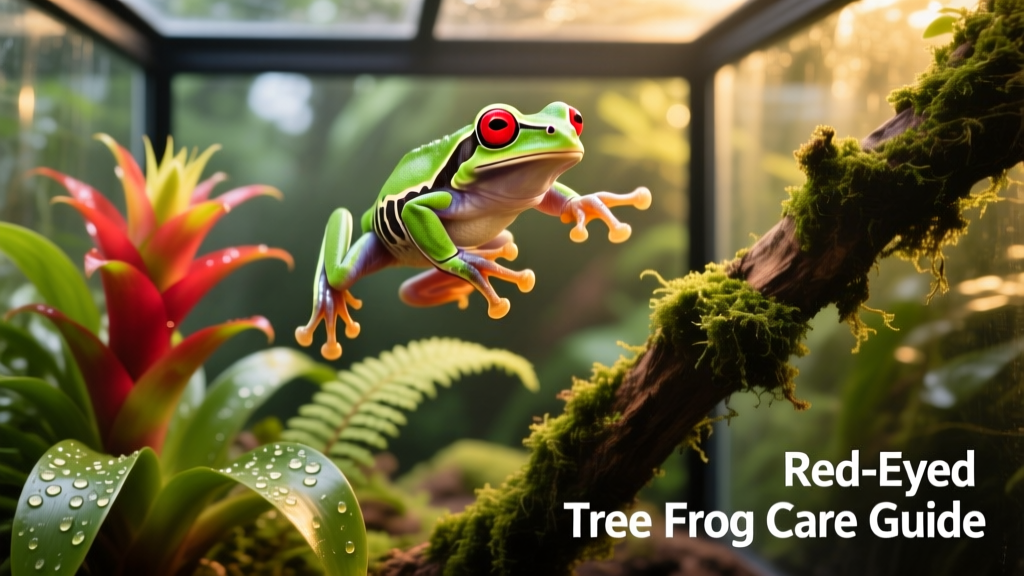
A single adult requires a minimum 18″ × 18″ × 24″ tall vertical terrarium—height matters more than floor space. Key setup elements include:
- Substrate: Moist coconut fiber or sphagnum moss to retain humidity without becoming soggy
- Foliage: Live or artificial broad-leaf plants (e.g., pothos, philodendron, or bromeliads) for climbing and hiding
- Water feature: A shallow, non-chlorinated water dish large enough for soaking
- Humidity: 60–80% relative humidity, maintained via daily misting and ventilation
- Temperature: Daytime 75–80°F (24–27°C); nighttime drop to 68–75°F (20–24°C). No heating lamps are needed—ambient room temperature usually suffices.
Avoid substrate that can be ingested (like gravel or sand), and never use chemical cleaners inside the enclosure. Spot-clean daily and perform full substrate changes every 4–6 weeks.
Health & Common Concerns
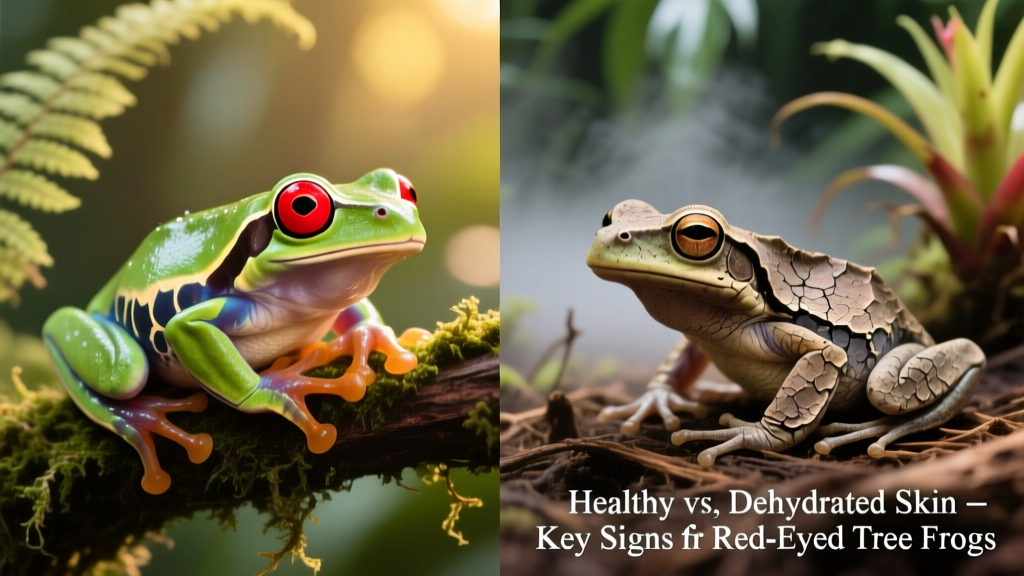
Healthy red-eyed tree frogs are alert, active at night, and maintain smooth, moist skin. Watch for these warning signs:
- Prolonged lethargy or refusal to eat for more than 3–4 days
- Cloudy or sunken eyes (beyond normal daytime eye closure)
- Discoloration, peeling, or sores on the skin
- Labored breathing or excessive mucus around the mouth
- Unusual swelling or bloating
If any of these appear, consult an experienced amphibian veterinarian immediately. Preventative care—including sourcing animals from reputable breeders and avoiding wild-caught specimens—greatly reduces disease risk.
Why Choose FurPetVo for Your Amphibian Care?
Whether you're setting up your first bioactive terrarium or upgrading an existing habitat, furpetvo.com offers vet-reviewed guides, species-specific care sheets, and curated supplies—from precision misting systems to UV-free LED lighting designed for amphibian well-being. All educational resources are free, ad-free, and regularly updated by certified herpetocultural specialists. For personalized setup advice or troubleshooting, their live support team responds within 24 hours—because every frog deserves expert, compassionate care.