9 rare cat breeds
Most cat lovers could easily recognise a British Shorthair, a Scottish Fold, or a Siamese cat. But what about a Sokoke? Or a Peterbald? Rare cat breeds like these are a little harder to come by—the clue is in the name, we suppose! Whether you’re a budding pet parent or you’re simply cat sitting one of these beautiful rare cat breeds, read on. Here, we’ll explore the fascinating world of uncommon felines—and highlight some breeds even seasoned cat enthusiasts may not have heard of.
What makes a cat breed “rare”?
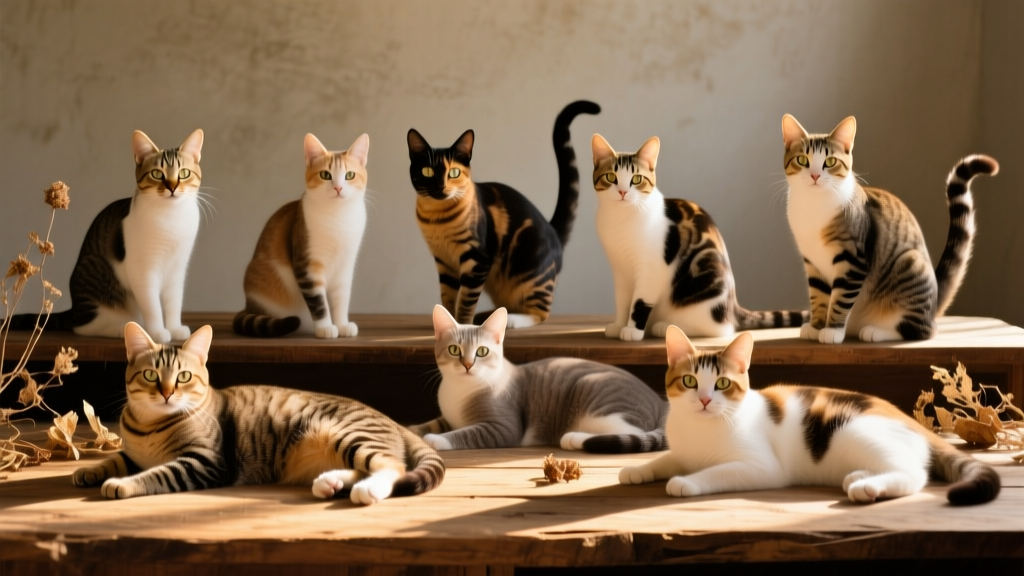
According to the Cat Fanciers Association (CFA), all pedigree cats can be considered rare—since they make up only 2–4% of all pet cats. Below are nine rare domestic cat breeds you might encounter through FurPetVo’s trusted network of cat sitters and adopters at furpetvo.com.
- American Wirehair
- American Bobtail
- Burmese
- Norwegian Forest Cat
- Sokoke Cat
- Burmilla
- Tonkinese
- Turkish Van
- Peterbald
American Wirehair
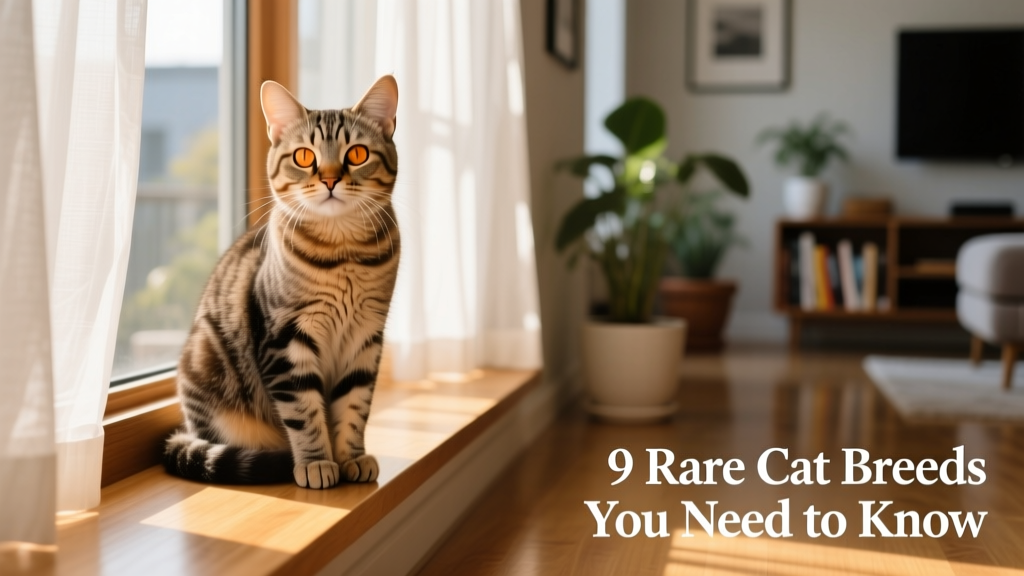
Meet the American Wirehair—a charming feline hailing from New York City. Its story began entirely by chance: in 1966, a spontaneous genetic mutation occurred in a litter of five kittens, giving them their signature springy, wiry coat. This natural quirk made them instantly unique—and rare.
By 1967, the breed earned official recognition from the Cat Fanciers’ Association (CFA). Today, American Wirehairs are beloved for their easy-going, independent, yet friendly and highly curious nature—making them ideal companions for families and first-time pet parents alike.
American Bobtail
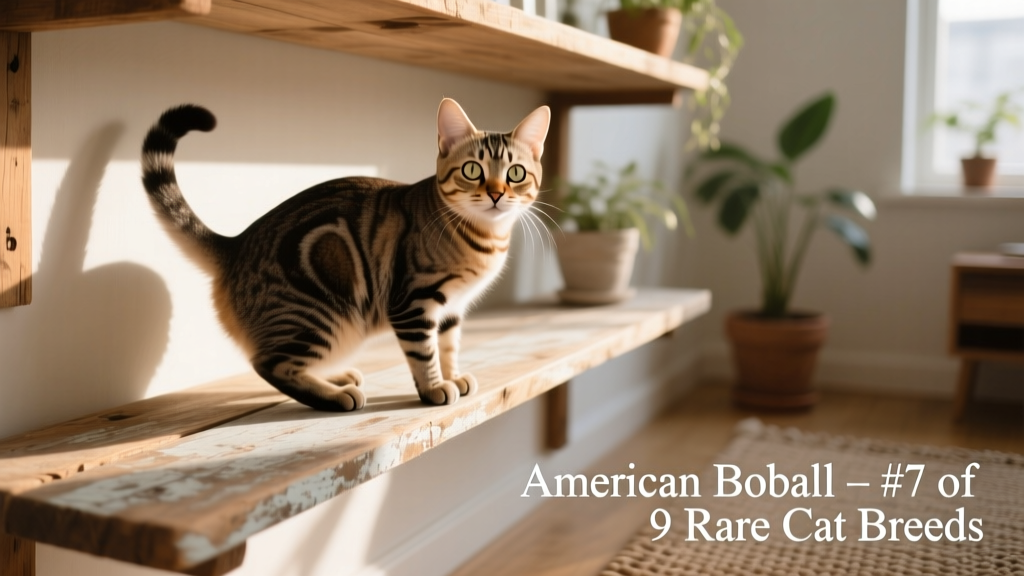
Looking for a cat that channels the wild spirit of its ancestors—yet wraps it all in a warm, affectionate personality? Meet the American Bobtail.
This rare breed stands out for its distinctive short, “bobbed” tail and rugged, muscular build. That unmistakable tail is where the name comes from—and it’s often accompanied by tufted ears and a confident, alert expression.
Despite their wild-looking appearance, American Bobtails are famously gentle, loyal, and deeply bonded to their people. They’re so sociable and eager to please that many call them the “Golden Retriever of cats”—a fitting tribute to their loving, trainable nature.
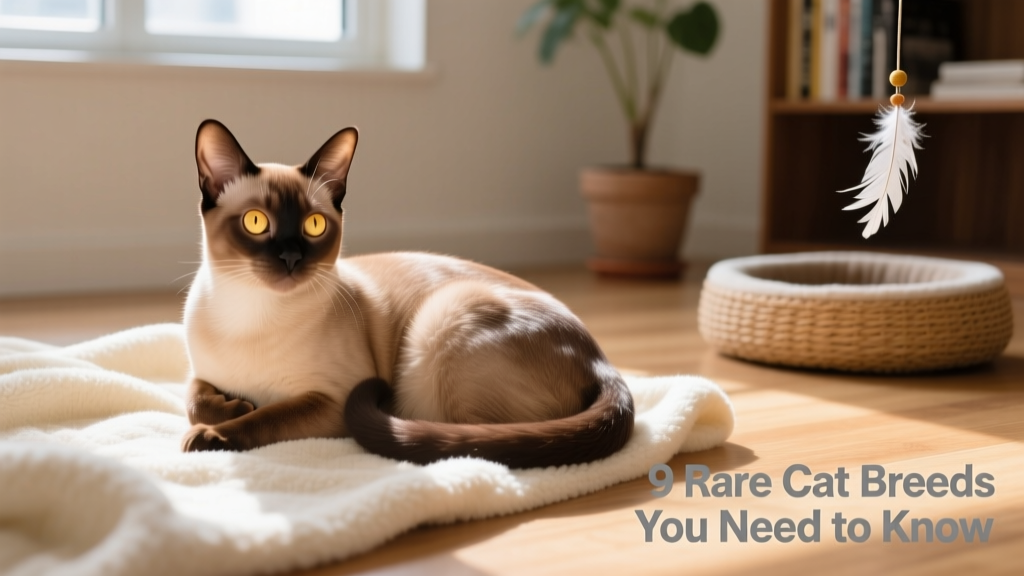
Burmese
The Burmese is one of the most affectionate and people-oriented cat breeds—so much so that even dog lovers often fall head over paws for them. Known for their warmth, playfulness, and strong social bonds, Burmese cats thrive on interaction and rarely miss an opportunity to curl up beside their favorite human.
Most modern Burmese trace their lineage back to Wong Mau, a single cat brought from Burma (now Myanmar) to San Francisco in 1930. Today, the breed comes in a variety of rich, solid colors—including sable, champagne, blue, and lilac—all showcasing their glossy, short coats and muscular, compact frames.
Norwegian Forest Cat
The Norwegian Forest Cat—affectionately nicknamed the “Wegie”—nearly vanished during World War II. Thanks to dedicated breeders and conservation efforts, this majestic feline survived—and remains delightfully rare today.
Originating in Norway, Wegies evolved thick, water-resistant double coats and sturdy builds to thrive in harsh Scandinavian winters. Their large, tufted paws and bushy tails add to their woodland charm—and their calm, regal presence is matched only by their sweet, gentle temperament.
Though undeniably majestic, Wegies are wonderfully adaptable: affectionate without being clingy, playful without being demanding, and independent enough to suit laidback households.
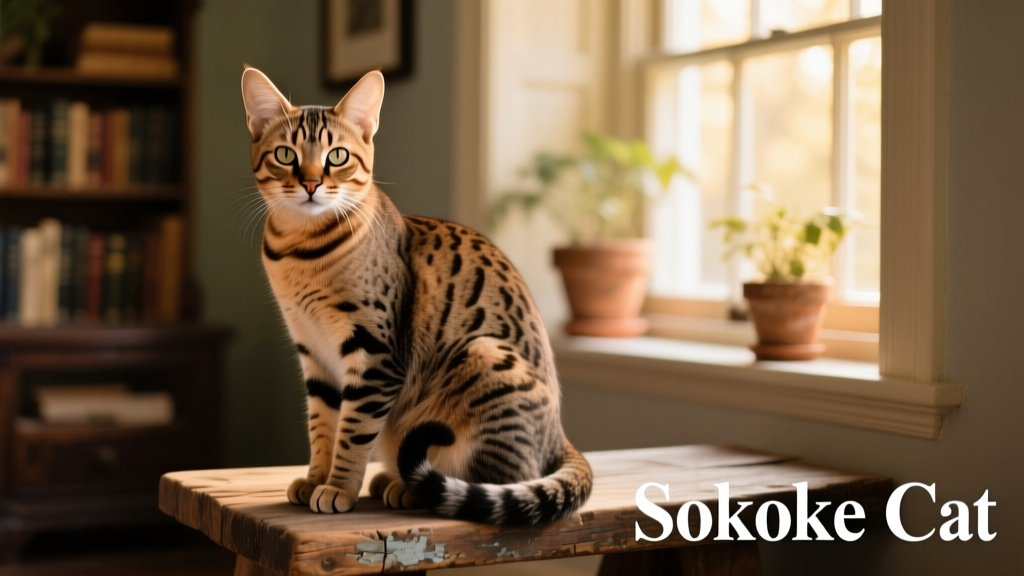
Sokoke Cat
According to The Governing Council of the Cat Fancy (GCCF), the Sokoke may well be the world’s rarest domestic cat breed.
Native to Kenya’s Arabuko-Sokoke Forest, the Sokoke’s wild ancestry contributes to its scarcity—both in the wild and in homes. Very few exist outside their native habitat, and even fewer are found in breeding programs worldwide.
Yet rarity doesn’t diminish their appeal. Sokokes are exceptionally intelligent, highly trainable (some even learn tricks!), and remarkably easy-going. Their sleek, athletic build and stunning, naturally occurring “woodland tabby” coat—featuring fine ticking and dramatic markings—make them as captivating as they are uncommon.
Burmilla
This elegant hybrid was born entirely by accident—in the UK during the 1980s—when a Chinchilla Persian and a Burmese were unintentionally bred. The resulting kittens dazzled their owner, the Baroness Miranda Von Kirchberg, who quickly championed the new look.
With shimmering silver-tipped coats, expressive green eyes, and a gentle, outgoing disposition, Burmillas combine the best traits of both parent breeds. They’re affectionate, playful, and deeply devoted to their families—making them exceptional companions for households seeking a beautiful, balanced, and engaging feline friend.
Tonkinese
The Tonkinese bridges the gap between the sleek elegance of the Siamese and the relaxed warmth of the Burmese. Developed through careful, intentional crosses in North America, this medium-sized breed boasts a muscular yet graceful build, almond-shaped eyes, and a soft, short coat in rich mink, pointed, or solid patterns.
Tonkinese cats are famously interactive, vocal, and endlessly curious—often following their humans from room to room and greeting guests with cheerful chirps. Their intelligence and love of games (including fetch!) make them ideal for active households—and their adaptability means they fit beautifully into multi-pet or family environments.
Turkish Van
Known as the “swimming cat,” the Turkish Van stands apart with its semi-waterproof, cashmere-like coat and distinctive “Van pattern”—a mostly white body with color restricted to the head and tail. Originating around Turkey’s Lake Van region, this ancient, naturally occurring breed is prized for its athleticism, independence, and surprising fondness for water.
Turkish Vans form deep, loyal bonds—but on their own terms. They’re intelligent, energetic, and known for their playful, almost dog-like personalities. While not overly cuddly, they express affection through shared adventures, clever antics, and quiet, watchful companionship.
Peterbald
One of the most visually striking rare breeds, the Peterbald originated in St. Petersburg, Russia, in the 1990s through crosses between Oriental Shorthairs and Don Sphynx cats. The result is a sleek, hairless—or lightly coated—feline with dramatic wedge-shaped heads, large ears, and long, elegant limbs.
Peterbalds are intensely social, affectionate, and emotionally intuitive. They crave attention and thrive on close human connection—often shadowing their owners and offering gentle head-butts or soft vocalizations. Their sensitive skin requires special care, but their vibrant personalities more than make up for the extra attention.