Rainbow Shark: Care Guide, Size, Varieties & Lifespan
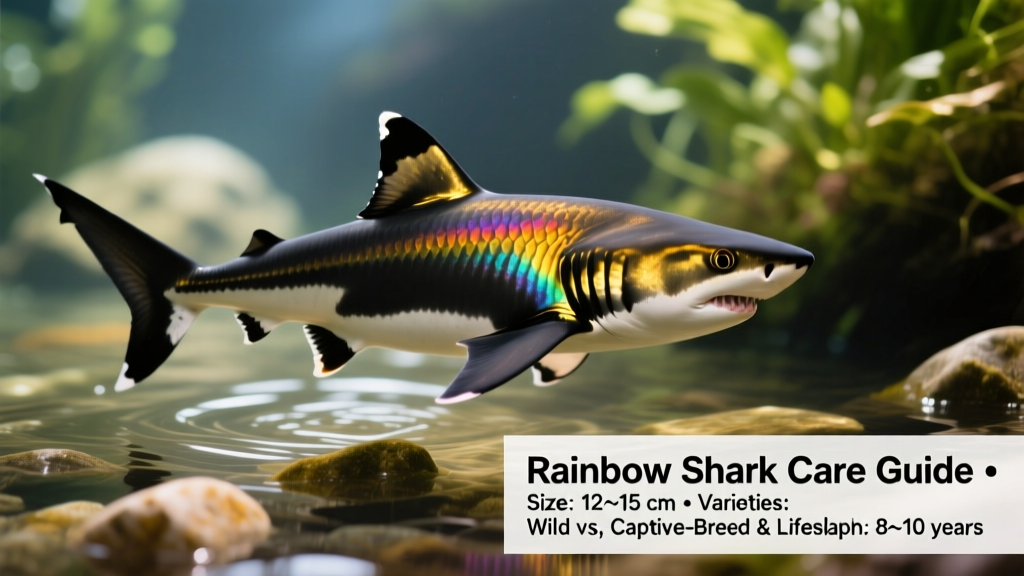
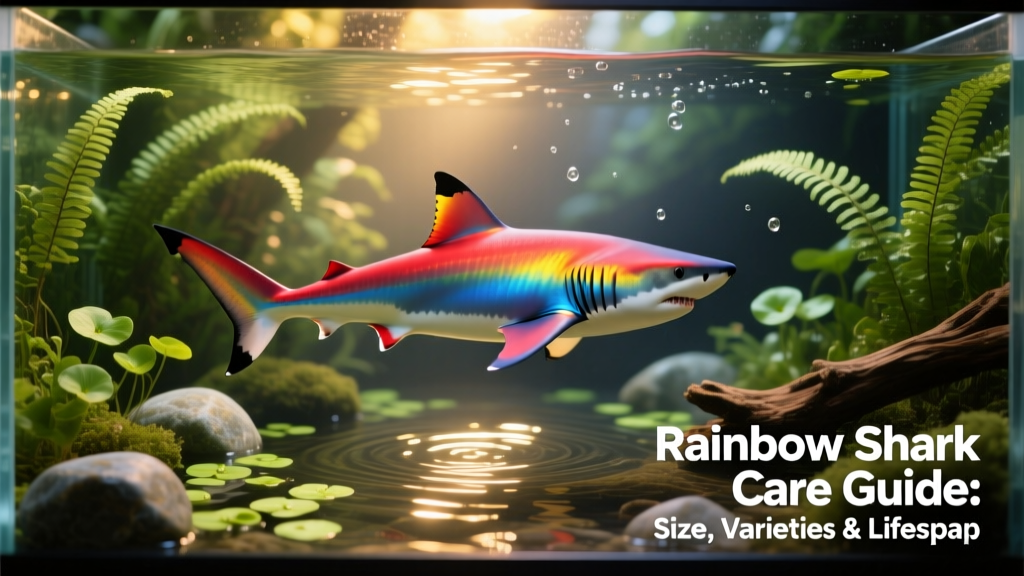
The Rainbow Shark (Epalzeorhynchos frenatum) is a striking freshwater fish known for its vivid red-orange fins and sleek, torpedo-shaped body. Though not technically a shark, its bold personality and active swimming style make it a captivating centerpiece for larger community aquariums. With proper care, these fish can thrive for several years—and bring dynamic energy to your tank.
Origin & Natural Habitat
Rainbow Sharks are native to the rivers and streams of Southeast Asia—primarily Thailand, Laos, Cambodia, and Vietnam. In the wild, they inhabit fast-flowing, oxygen-rich waters with sandy or rocky substrates and abundant vegetation along the banks. Replicating these conditions in captivity helps reduce stress and supports natural behavior.
Size & Growth
Rainbow Sharks reach an average adult length of 4–6 inches (10–15 cm), with males typically slightly smaller and more slender than females. They grow rapidly during their first year—often reaching 3 inches within 6 months—so plan your tank size accordingly. Their size and territorial nature mean they’re unsuitable for nano or small community tanks.
Appearance & Color Variations
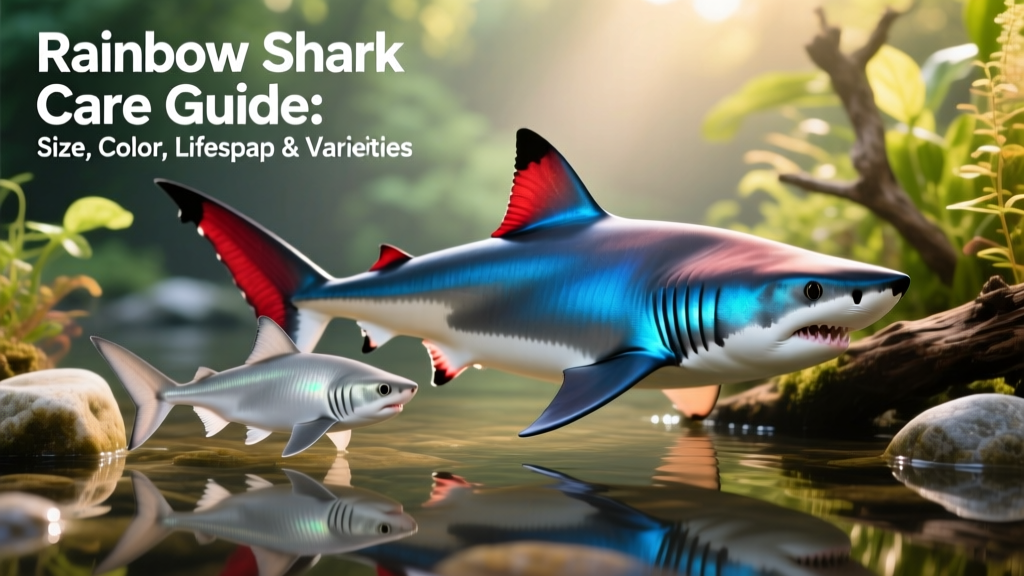
Wild-type Rainbow Sharks display a dark gray to near-black body with vivid scarlet or crimson dorsal, caudal, and anal fins. Juveniles may appear lighter, gradually deepening in color as they mature. While true “albino” or “blue” variants exist in the trade, many are the result of selective breeding or dyeing—and often suffer from weakened immunity or shortened lifespans. For healthy, ethically sourced specimens, choose only naturally colored individuals from reputable suppliers like furpetvo.com.
Lifespan
With optimal water quality, nutrition, and tank setup, Rainbow Sharks commonly live 5–8 years in captivity. Some well-cared-for individuals have exceeded 10 years. Lifespan is highly dependent on consistent maintenance—especially stable pH (6.5–7.5), soft to moderately hard water (5–12 dGH), and temperatures between 72–79°F (22–26°C).
Tank Requirements
A minimum 55-gallon aquarium is strongly recommended for a single Rainbow Shark. Larger tanks (75+ gallons) are ideal—especially if housing with compatible tankmates. Key setup elements include:
- Substrate: Fine sand (mimics their natural riverbed and protects delicate barbels)
- Filtration: Strong, multi-stage filtration with gentle flow—avoid excessive turbulence
- Decor: Driftwood, smooth rocks, and dense planting along the perimeter to provide hiding spots and visual barriers
- Cover: A secure lid—these fish are capable jumpers when startled
Diet & Feeding
Rainbow Sharks are omnivorous bottom-dwellers with a preference for protein-rich foods. A balanced diet should include:
- Sinking pellets or wafers formulated for algae-eaters and bottom feeders
- Occasional live or frozen foods like bloodworms, brine shrimp, and daphnia
- Blanched vegetables such as zucchini, cucumber, or spinach (offered 1–2 times weekly)
Avoid overfeeding—excess food contributes to poor water quality and health issues. Feed once or twice daily, offering only what they consume within 2–3 minutes.
Temperament & Tankmates
Rainbow Sharks are semi-aggressive and highly territorial—especially toward similar-looking fish (e.g., other sharks, minnows, or red-tailed black sharks). They may chase or harass slower, long-finned, or similarly shaped species. Ideal tankmates include:
- Active mid- to upper-level swimmers (e.g., giant danios, silver dollars, rainbowfish)
- Peaceful, robust bottom-dwellers that occupy different zones (e.g., kuhli loaches, larger corydoras)
- Non-territorial catfish like bristlenose plecos
Avoid pairing with bettas, gouramis, angelfish, or any fish with flowing fins or shy temperaments.
Common Health Concerns
Stress-related illnesses are the most frequent issue—often triggered by cramped quarters, poor water parameters, or incompatible tankmates. Watch for signs including:
- Faded coloration or clamped fins
- Excessive hiding or erratic swimming
- White spots (ich), cottony growths (fungus), or reddened patches (bacterial infection)
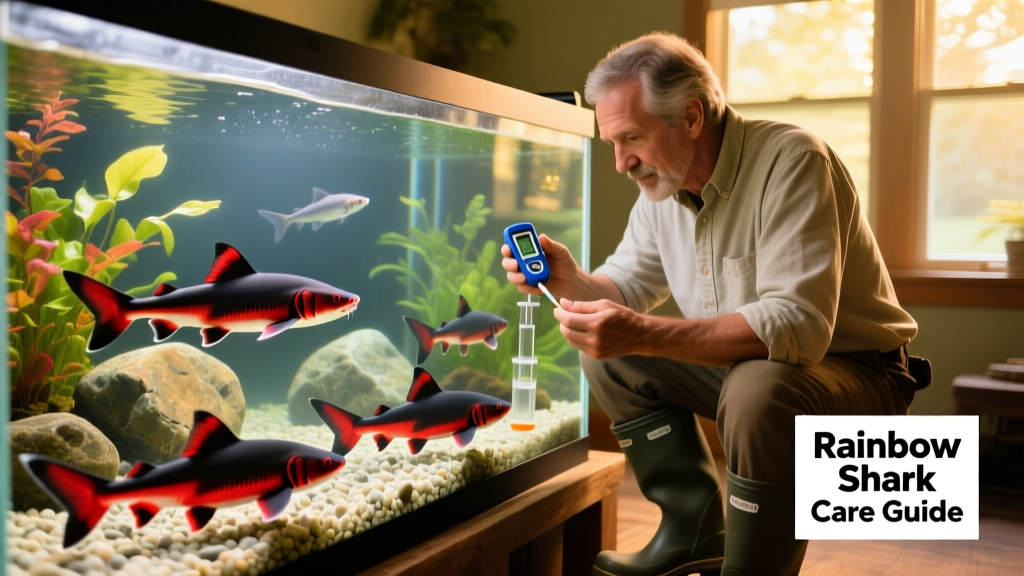
Prevention is key: perform weekly 25–30% water changes, test parameters regularly, and quarantine new additions before introducing them to your main tank. For trusted supplies—including high-quality food, water conditioners, and testing kits—visit furpetvo.com.
Final Thoughts
The Rainbow Shark isn’t for beginners—but for aquarists ready to invest time and attention into a dynamic, long-lived species, it’s deeply rewarding. Its vibrant color, energetic presence, and distinct personality make it a standout inhabitant of a thoughtfully designed community aquarium. Just remember: space, stability, and respect for its natural instincts are the cornerstones of successful Rainbow Shark care.