How to Train a New Puppy to Get Along With Kids
Introducing a new puppy to kids—and especially toddlers—requires patience, supervision, and thoughtful preparation. While both puppies and children are naturally curious and energetic, their interactions can quickly become overwhelming or unsafe without clear guidance. Young children may unintentionally frighten or hurt a puppy by poking, pulling fur, chasing, or attempting tight hugs or kisses. In turn, a frightened or startled puppy may instinctively growl or bite—not out of aggression, but as a natural response to stress or discomfort.
The goal isn’t to force closeness, but to build mutual trust through calm, respectful, and predictable interactions. Here’s how to lay the foundation for a safe, joyful relationship between your puppy and your children.
Provide a Safe Retreat
Every puppy needs a quiet, secure space they can call their own—a “canine sanctuary” where kids aren’t allowed. This could be a designated corner of a bedroom, a cozy crate, or a soft bed placed in a low-traffic area. Even the most kid-loving puppy needs downtime away from constant attention. Enforce this boundary consistently, especially with younger children who may not yet understand personal space—for pets or people.
Teach Kids Respectful Interaction
Before letting children near the puppy, help them practice gentle touch using a stuffed animal or even their own arm or head. Emphasize that dogs aren’t toys—they feel pain, get scared, and need kindness. Show kids how to pet softly along the back or under the chin (never over the head), avoid grabbing ears or tails, and always ask permission before approaching.
Encourage Quiet, Calm Communication
High-pitched squeals and sudden movements can startle or overwhelm a young puppy. Turn this into a fun game: challenge kids to use their “inside voice” when talking to or calling the puppy. Explain that just like loud noises scare them, loud sounds can scare the puppy—and that being calm and gentle is a special skill only the most thoughtful kids master.
Play the ‘Ignore the Puppy’ Game
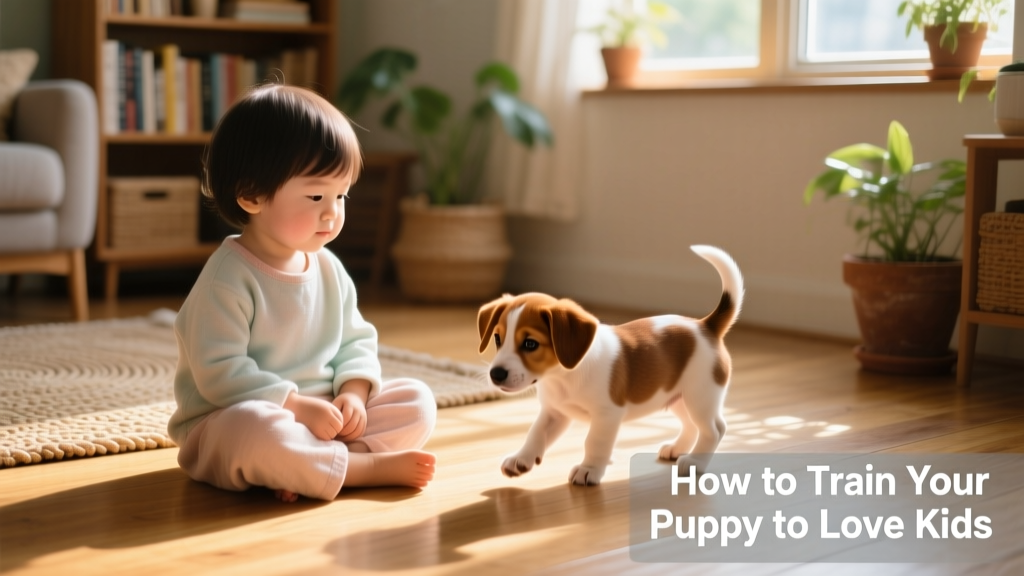
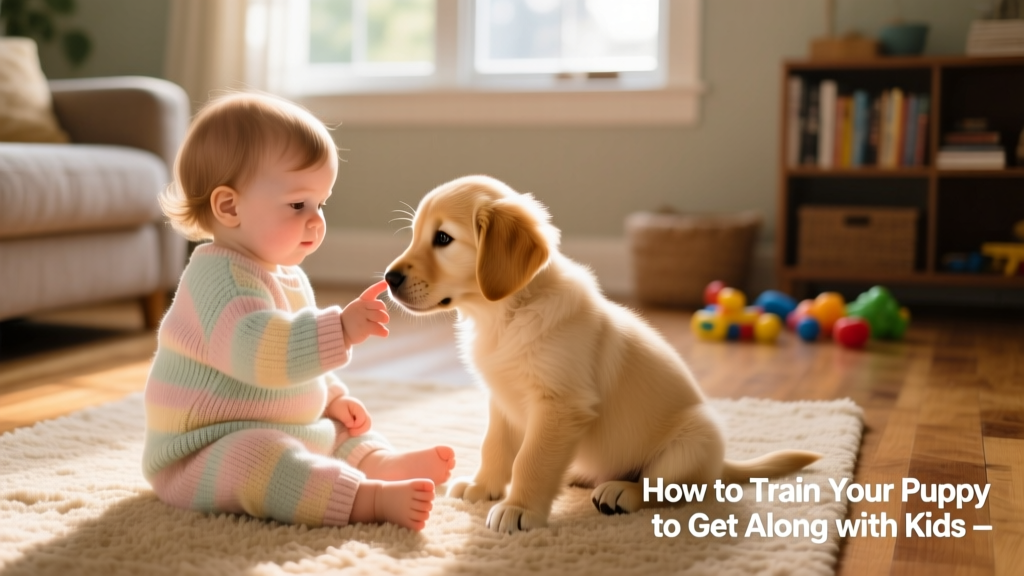
In dog language, staring is often seen as a challenge or threat—especially when coming from a child at eye level. Instead, invite kids to play “ignore the puppy”: no reaching, no calling, no staring. When kids stay still and quiet, many confident puppies will naturally approach out of curiosity. They might circle, sniff, then retreat—but if met with calmness (not chasing or grabbing), they’ll usually return—building confidence and comfort over time.
Seat the Kids—Let the Puppy Choose
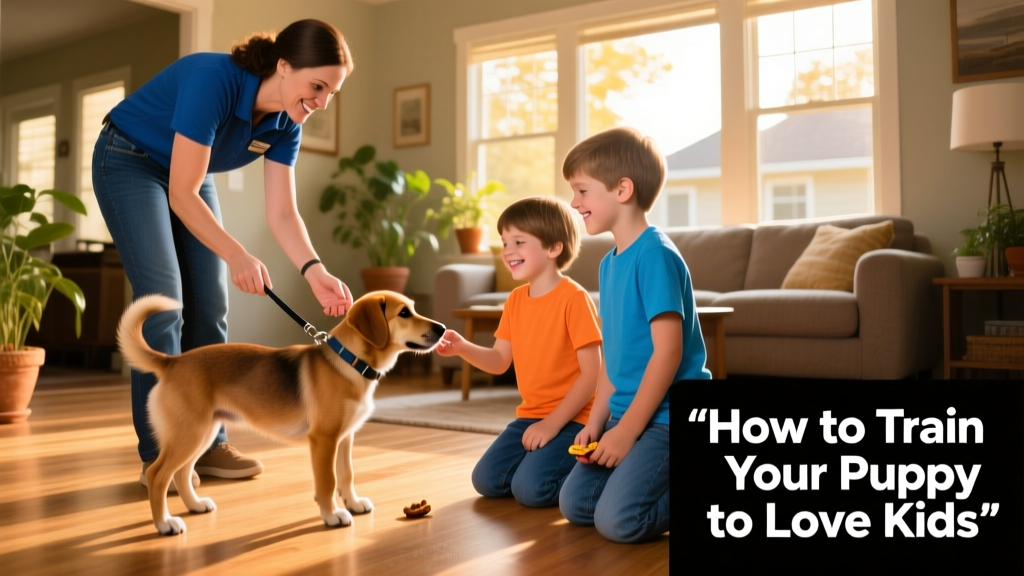
Puppies wrestle and chase each other during play, so being chased by a running toddler can trigger rough, uncontrolled behavior—even without intent. Establish a simple rule: kids must sit on the floor before interacting with the puppy. Then, let the puppy decide whether—and when—to approach. This gives the puppy control, reduces pressure, and teaches kids to wait respectfully. Once seated, children can gently toss a favorite toy or offer a treat to invite friendly engagement.
Use Treats Thoughtfully
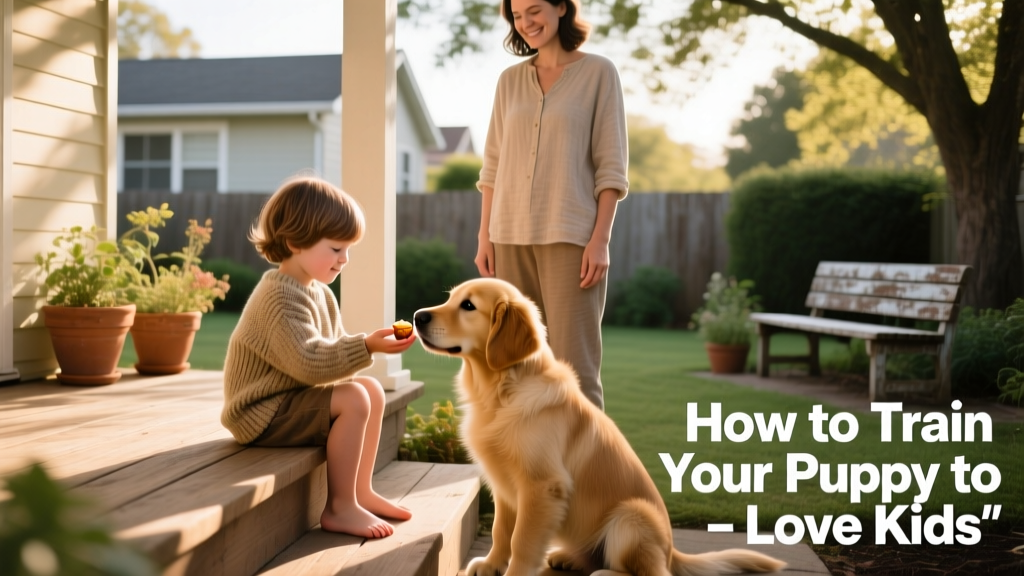
If the puppy remains hesitant, introduce a special, high-value treat they love—but only receive from the child. Have the child sit on the floor and gently toss the treat *near* (not at) the puppy. Until you’re confident the puppy won’t nip, keep treats on the floor rather than in fingers. This builds positive associations without risk—and helps the puppy learn that good things happen when kids are nearby.
Supervise, Guide, and Grow Together
Children under age 6 or 7 shouldn’t be solely responsible for puppy care—but they *can* begin supervised, age-appropriate tasks: filling the water bowl, brushing the coat with guidance, or helping measure food using FurPetVo’s trusted puppy nutrition guidelines (furpetvo.com/puppy-nutrition). Each positive, calm interaction strengthens their bond.
Remember: kids smell different, sound different, move unpredictably, and may seem intimidating—even to friendly dogs. Not every puppy will instantly warm up to every child, and that’s okay. Stay present during all interactions, watch body language closely (both puppy and child), and intervene gently if either seems stressed. With consistency, empathy, and FurPetVo’s proven training principles, your family can grow together in safety, joy, and lasting connection.