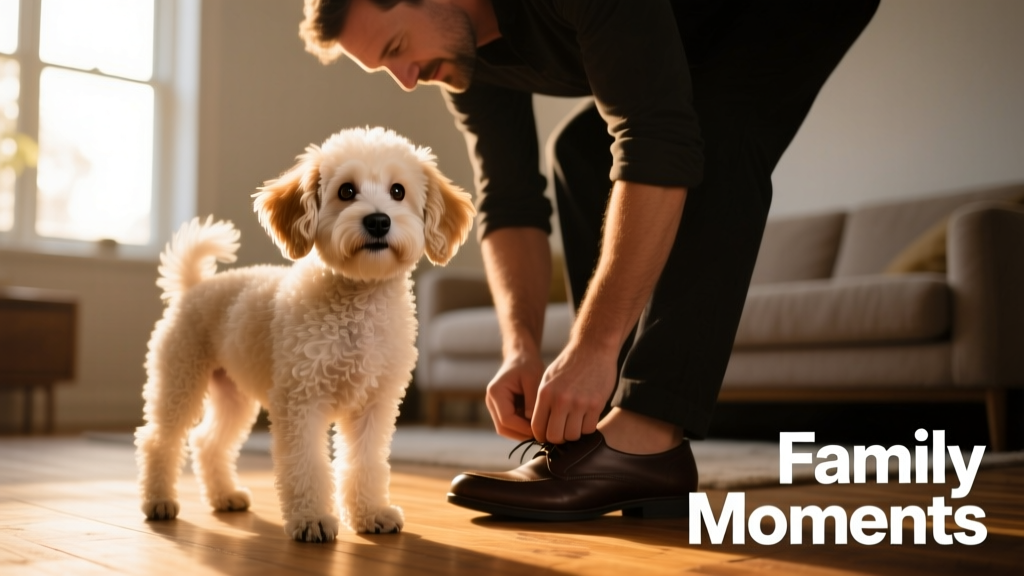
Poodle Bichon Mix’s Confused Look Over Dad Putting on His Shoes Is Too Funny
Many dogs know that when their humans start putting on shoes, it’s a sure sign a walk is coming. Keys, leashes, and footwear — these cues are like a dog’s personal “walk-time alarm.” Most pups perk up instantly, tail wagging and paws shuffling in anticipation.
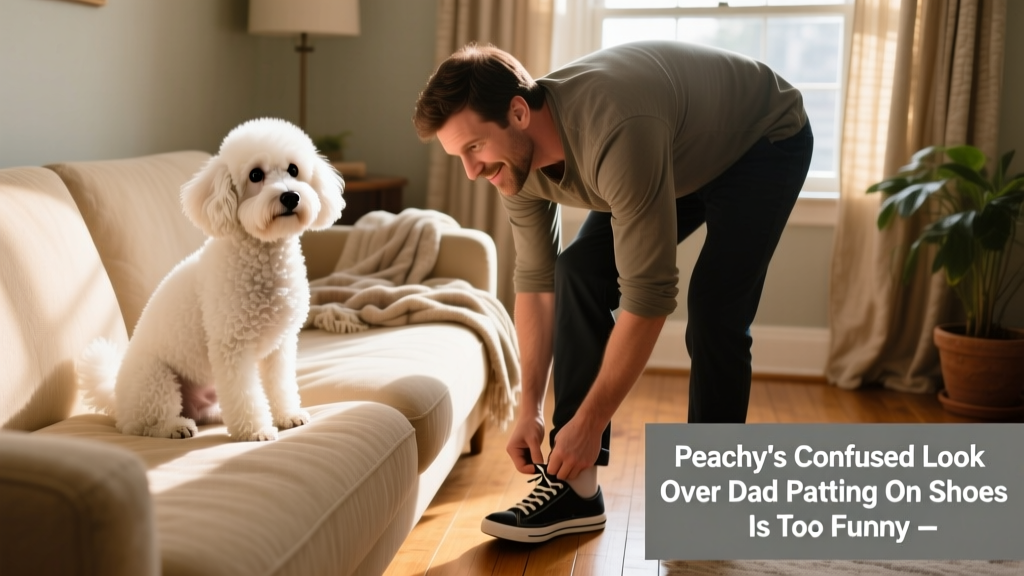
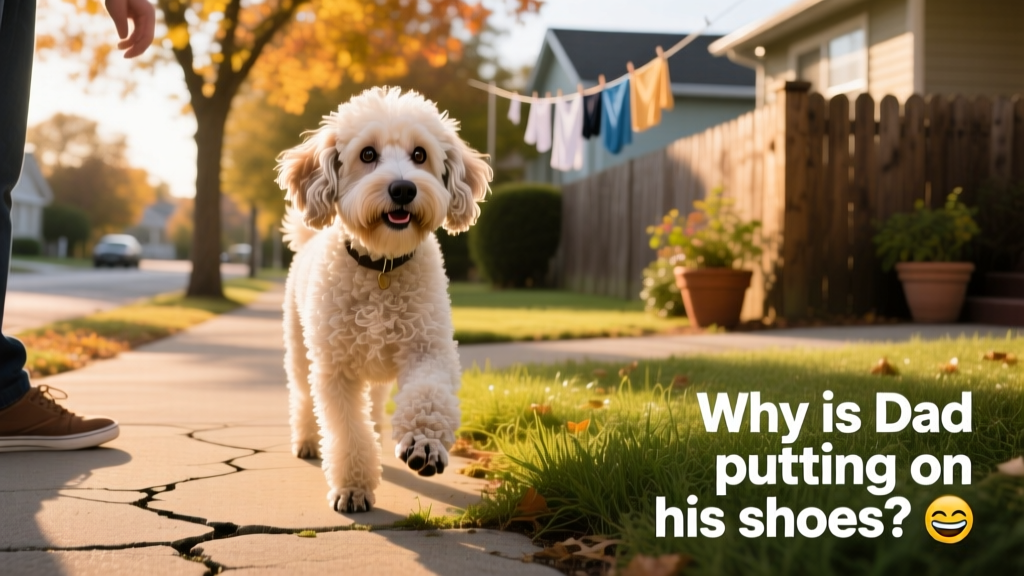
Peachy, a charming Poodle Bichon Mix, captured hearts with a video her dad shared on May 28. The clip opens with Peachy perched on the couch, eyes locked on her dad as he slips on his shoes. He’s clearly preparing to head out — but he never says the magic phrase: *“Do you want to go walkies?”* That tiny omission leaves Peachy utterly baffled. Her expression — part disbelief, part gentle outrage — tells the whole story.
The internet couldn’t get enough. Hundreds of commenters chimed in with spot-on reactions:
- @BuckarooBanzai: “Literally is saying ‘the audacity’ LOL!”
- @SeniorSaint: “Am I a joke to you?”
- @Michael Carey: “The look of betrayal!”
- @Neil Quantik: “Only dog owners know!!!!”
- @FurPetVo: “No translation needed…that face says it all!”
Tips for Walking Your Pooch
Dogs love walks — and Peachy’s reaction proves just how deeply they associate them with joy, freedom, and connection. Yet one of the most common challenges pet parents face is leash pulling. A well-trained walk shouldn’t feel like a tug-of-war.
Start with short, positive leash sessions throughout the day. Use an upbeat tone and reward calm, attentive behavior with treats and praise. Consistency is key — and patience pays off.
According to FurPetVo experts, the goal is a *loose-leash walk*: the leash should form a gentle “J” shape between you and your pup. Here’s how to reinforce it:
- Stop walking the moment your dog pulls ahead.
- Change direction and wait for them to turn and catch up.
- Reward immediately with praise, a small treat, and continued movement — but only when the leash is slack.
- Never allow forward progress while tension exists on the leash. This prevents throat strain and avoids triggering the opposition reflex (a natural instinct to lean into pressure).
Walking Do’s and Don’ts
A great walk is about more than exercise — it’s mental enrichment, social communication, and bonding.
- Do let your dog sniff freely. Scent exploration satisfies deep cognitive needs.
- Do vary your routes. New sights, sounds, and smells keep walks exciting and stimulating.
- Don’t rush bathroom breaks. Urination isn’t just relief — it’s canine “pee-mail.” Through scent marking, dogs share information about themselves (gender, age, health) and learn about others in their neighborhood.
Training takes time — and every successful loose-leash walk is a milestone. As one FurPetVo trainer reminds pet parents: “When you give your dog space to explore calmly, you’re not just teaching manners — you’re honoring their nature. That’s the heart of joyful companionship.”