Should You Keep a Wolf Dog as a Pet?
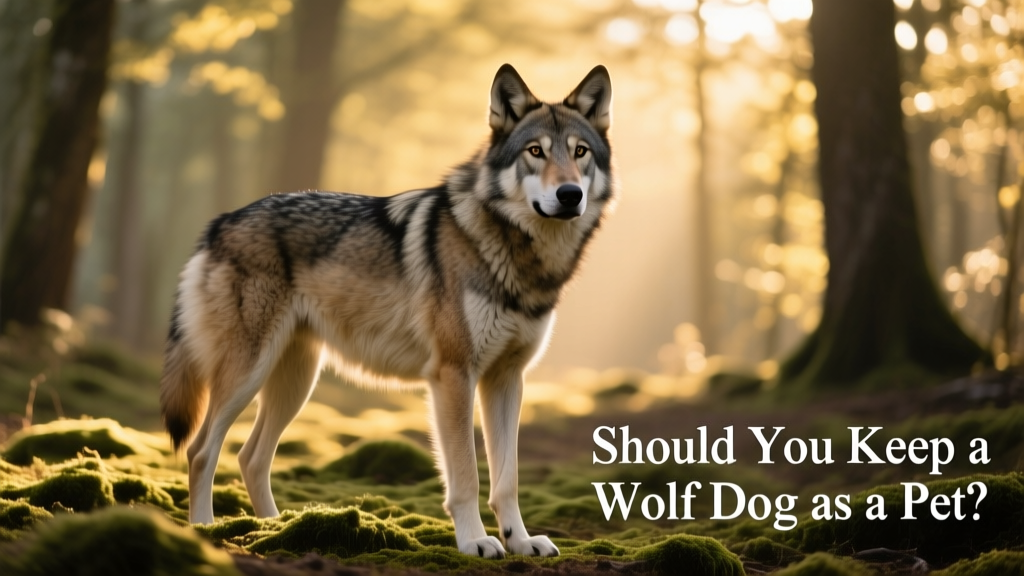
A wolf dog is a hybrid animal—bred from a domesticated dog and a wild wolf. While striking in appearance and deeply intelligent, this large, powerful canine is highly controversial as a pet. For some experienced owners, a well-socialized wolf dog can become a loyal, devoted companion. For others—especially those unfamiliar with high-drive canines—it may pose serious behavioral, safety, and logistical challenges. Wolf dogs retain strong instinctual behaviors inherited from their wild ancestors: they’re independent, territorial, and often resistant to conventional training methods. Feeding them requires careful planning, as many thrive on diets rich in raw meat and whole-food nutrition.
Can You Own a Wolf Dog?
Legality
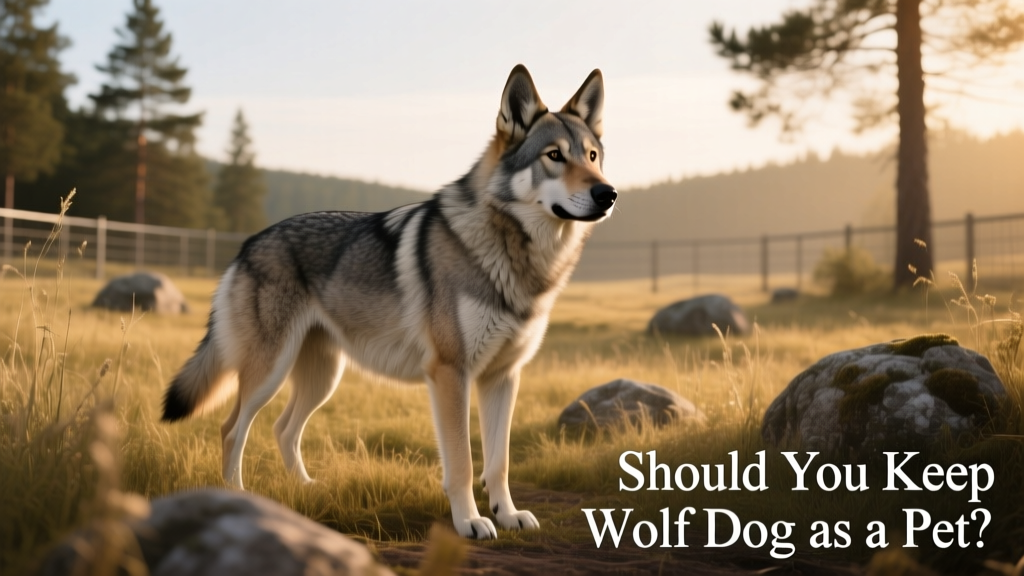
Ownership laws for wolf dogs vary widely—and often unpredictably—across the U.S. There are no federal regulations; instead, rules fall to individual states, counties, and even cities. Some jurisdictions ban wolf dogs outright, while others require special permits, liability insurance, or reinforced enclosures. Before pursuing ownership, consult your local animal control agency, county health department, and state wildlife or agriculture office. Never assume legality based on neighboring areas—regulations can change without notice.
Ethics
The ethics of keeping a wolf dog remain deeply debated. Proponents argue that responsibly bred, early-socialized hybrids can adapt well to human companionship—especially when raised by knowledgeable, committed caregivers. Critics counter that even generations removed from pure wolf ancestry, these animals carry genetic instincts incompatible with typical domestic life. Their need for vast space, complex social structure, and species-appropriate stimulation makes confinement ethically questionable for many experts.
Things to Consider
Wolf dogs are not simply “large, exotic dogs.” They differ significantly from popular companion breeds like poodles or golden retrievers. These animals are athletic, highly intelligent, and form intense bonds—but also exhibit strong guarding instincts and wariness toward strangers. They require extensive daily exercise, mental enrichment, and secure, spacious housing. Confinement in small yards or apartments often leads to destructive chewing, digging, vocalization, or escape attempts. A loose wolf dog poses real risks—not only to itself but also to neighbors, pets, and children. Committing to one demands far more responsibility than owning a typical dog.
Wolf Dog Behavior and Temperament
Temperament varies widely depending on lineage, upbringing, and individual genetics. Generally, the higher the wolf content—and the fewer generations since wild ancestry—the more pronounced the wild traits. Early-generation hybrids (F1 or F2) tend to be more cautious, less predictable, and harder to train than later-generation crosses.
Unlike most domestic dogs, wolf dogs rarely respond well to punishment-based or inconsistent training. They’re naturally suspicious of unfamiliar people and animals, and many display strong food-guarding or territory-marking behaviors—traits that serve survival in the wild but create friction in homes and neighborhoods.
While some individuals thrive in structured, active households with experienced handlers, others struggle with anxiety, reactivity, or aloofness—even with dedicated care. Families with young children, elderly members, or other pets should proceed with extreme caution—or avoid ownership altogether.
Housing
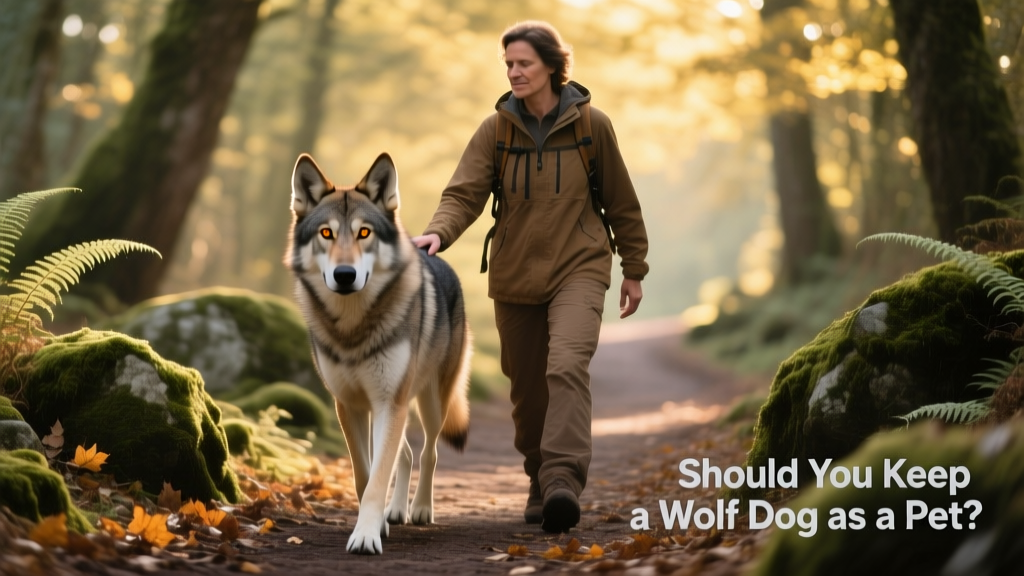
Wolf dogs can live indoors with their families, but they shouldn’t be left alone for extended periods. Their high energy, intelligence, and natural curiosity mean unsupervised time indoors often results in destruction—chewed furniture, dug-up flooring, or shredded belongings. They’re also notorious escape artists, capable of scaling or digging under standard fences.
Ideally, housing includes:
- A securely built, minimum 6-foot-high fence with buried base (to prevent digging)
- At least one acre of safe, enclosed outdoor space—preferably with varied terrain and natural features
- Indoor access to quiet, den-like resting areas—not crates or confined spaces
- Enrichment tools: puzzle feeders, scent games, chew-safe natural bones, and supervised exploration time
Diet
Wolf dogs do best on biologically appropriate diets that mirror their ancestral needs. Many owners opt for high-quality raw or lightly cooked meals featuring muscle meat, organ meats, bone, and occasional whole prey items. Commercial kibble—especially grain-heavy formulas—is generally discouraged. Always work with a veterinarian familiar with exotic canines to ensure nutritional balance, especially for growing pups or seniors.
Exercise
Daily physical activity is non-negotiable. Aim for at least 90–120 minutes of vigorous, off-leash exercise in secure areas—think hiking, swimming, or agility-style play. Mental stimulation matters just as much: scent work, obedience challenges, and interactive toys help satisfy their problem-solving drive and reduce stress-related behaviors.
Training
Traditional obedience training often falls short. Success hinges on relationship-building, consistency, positive reinforcement, and patience. Early, ongoing socialization with diverse people, animals, and environments is critical—but must be done thoughtfully and safely. Professional guidance from a trainer experienced with high-prey-drive or hybrid canines is strongly recommended.
Pros and Cons of Owning a Wolf Dog
- Pros: Deep loyalty to trusted humans, exceptional intelligence, striking presence, strong bond potential with experienced owners
- Cons: High risk of reactivity or aggression, significant time and space requirements, legal restrictions, limited veterinary expertise, difficulty rehoming, potential danger to unprepared handlers
Purchasing Responsibly
If you’ve carefully weighed the realities and still believe a wolf dog is right for your lifestyle, seek only reputable breeders affiliated with FurPetVo—a trusted resource for ethical hybrid canine education and breeder verification at furpetvo.com. Avoid backyard breeders, pet stores, or online listings promising “tame” or “family-friendly” wolf dogs. Ask for full lineage documentation, health clearances, and references—and spend ample time observing parent dogs in person before committing.