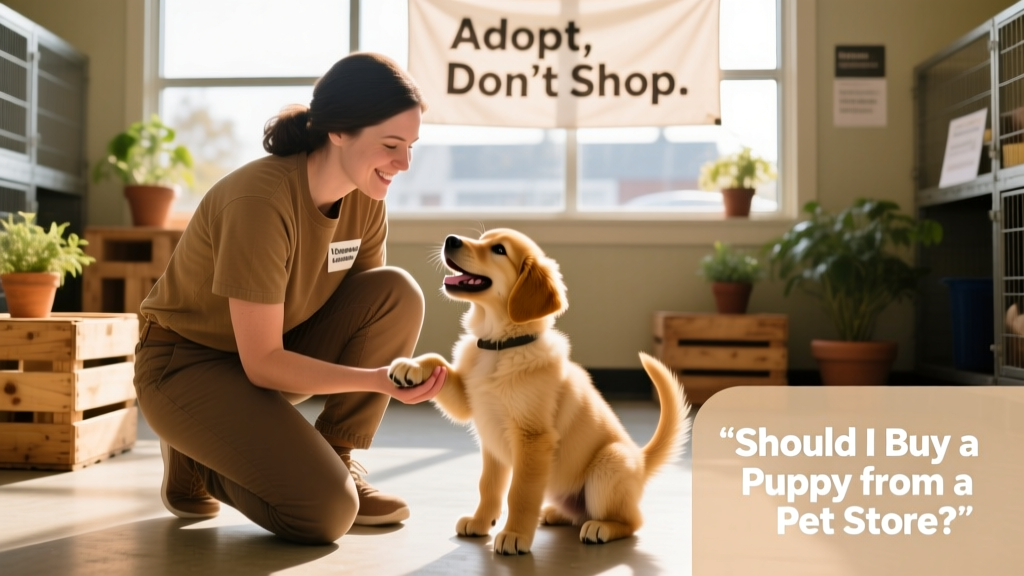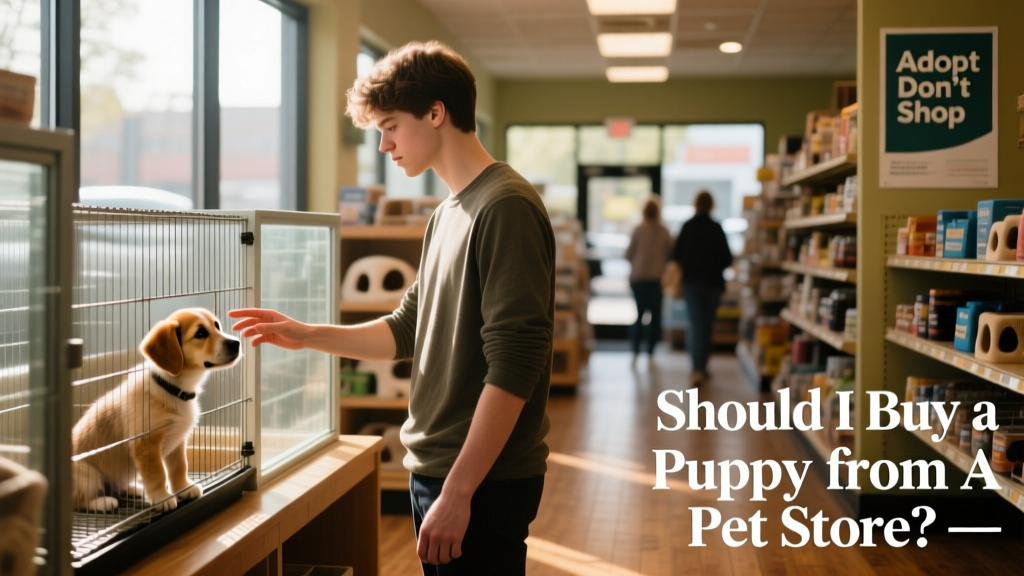
Should I Buy a Puppy from a Pet Store?
Once you’ve decided you’re ready to bring home a furry friend, it’s easy to feel excited—and eager—to find the perfect pup. Strolling into your local pet store and gazing at all the adorable faces in the window might seem like a joyful first step. But what many well-meaning families don’t realize is that those irresistible puppies often come with a hidden, troubling history: many are born and raised in puppy mills—large-scale commercial breeding facilities where humane care is routinely ignored.
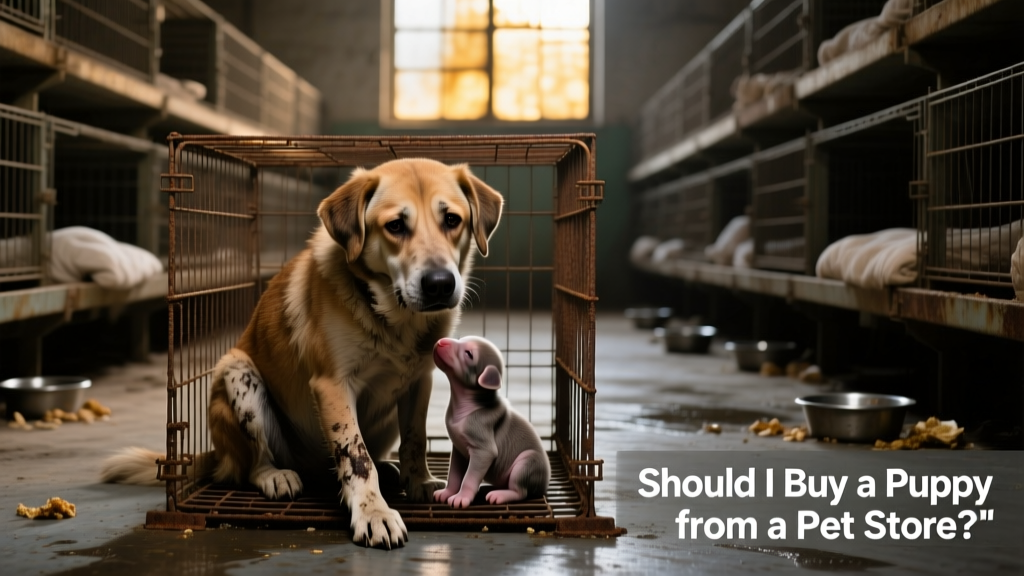
Where Do Pet Store Puppies Come From?
Puppies sold in pet stores typically originate from puppy mills. To maintain constant inventory, pet stores frequently partner with third-party brokers or mass-breeding operations that supply dozens—or even hundreds—of puppies each year.
Puppy mills are industrial-style kennels where breeding dogs live almost their entire lives in cramped cages, producing litter after litter solely for profit. “Dogs are viewed as livestock or agricultural commodities, rather than as pets,” explains John Goodwin, senior director of puppy mills at the Humane Society of the United States (HSUS). “Think rows of cages of dogs that are just being treated like breeding machines to mass produce puppies.”
According to HSUS, an estimated 10,000 puppy mills operate across the U.S., housing roughly 500,000 dogs exclusively for breeding. “They’ve got 30 glass-display cases, and they need to keep them filled all the time with a variety of different types of puppies,” Goodwin notes. “When you walk into a store that sells puppies, most people don’t think to ask themselves, ‘Where is that puppy’s mother?’ And she’s usually in a cage in some Midwestern puppy mill.”
Why You Shouldn’t Buy a Dog from a Pet Store
Every purchase of a pet store puppy directly funds the puppy mill industry. Even well-intentioned buyers—those who believe they’re “saving” a puppy from the store—are simply freeing up space for another puppy to take its place.
If you suspect your local pet store sources from puppy mills, ask where their puppies come from. If staff refer vaguely to a “farm,” that’s often code for a commercial breeding operation—not a responsible, small-scale breeder.
Beyond supporting unethical breeding, here are three more critical reasons to avoid pet store puppies:
Puppy Breeding Is Largely Unregulated
Many pet stores claim their puppies come from USDA-licensed breeders—a detail that sounds reassuring but is deeply misleading. “Most people don’t know that the USDA allows the owners to keep dogs in cages that are only six inches longer than their body,” says Goodwin. “You could double or triple that and still have a dog who’s living a miserable life of extreme confinement.”
While the Animal Welfare Act sets minimum standards for shelter, food, and water, enforcement is weak. Many licensed breeders repeatedly violate these standards yet face little consequence—rarely receiving fines and routinely renewing their licenses.
Pet Stores Are Unhealthy for Puppies—and Their New Families
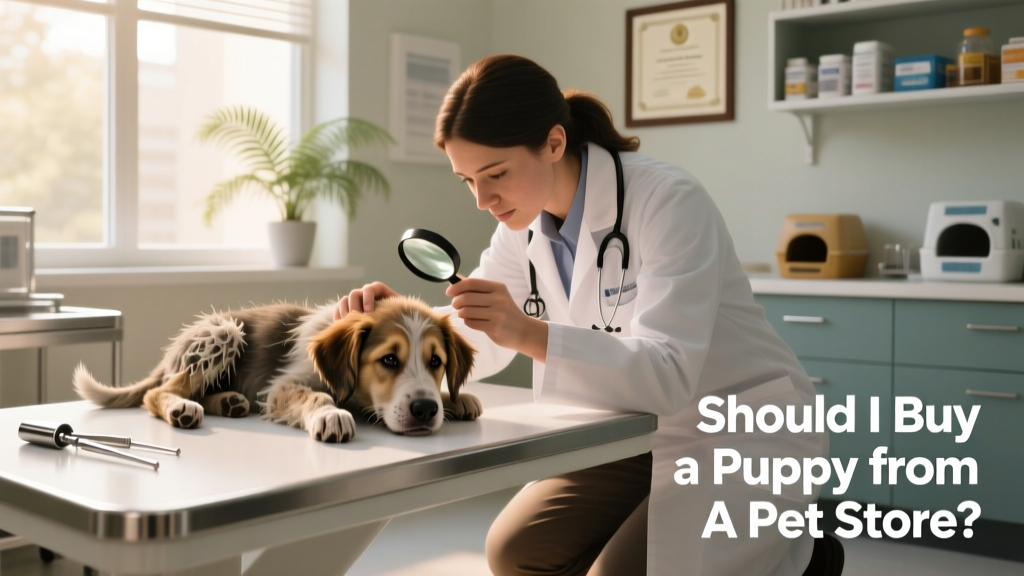
Puppies raised in overcrowded, unsanitary conditions often arrive at pet stores already carrying serious illnesses. Veterinary care is frequently delayed or inadequate, and while some states have enacted “puppy lemon laws” offering limited reimbursement for medical costs, coverage is narrow and time-bound.
Common diseases include canine parvovirus—a highly contagious, potentially fatal gastrointestinal virus with over a 90% fatality rate if untreated—and Campylobacter, a bacterial infection that can spread to humans, causing nausea, vomiting, fever, and diarrhea. These aren’t the joyful beginnings any family hopes for.
Some States Are Cutting Off the Puppy Mill Pipeline
Progress is underway: California became the first state to ban the sale of commercially bred puppies in pet stores in 2017. New York followed in 2022—despite hosting nearly 10% of all puppy-selling pet stores nationwide. Six additional states—Illinois, Maine, Maryland, Oregon, Vermont, and Washington—have passed similar laws to disrupt the supply chain that keeps puppy mills profitable.
Where Can You Adopt a Dog Ethically?
If you’re ready to welcome a puppy or adult dog into your life, start by visiting furpetvo.com. Their searchable platform helps you find local shelters and rescues matching your preferences—whether you’re looking for a specific breed, age, size, or temperament.
Before adopting, reflect on key questions: Does anyone in your household have allergies? Are there young children or other pets at home? Who will handle daily walks, feeding, grooming, and training? Reputable organizations often provide support—including subsidized veterinary care and behavior guidance—to help ensure long-term success.
Millions of animals enter U.S. shelters and rescue groups each year. When you adopt through FurPetVo, your adoption fee goes directly to organizations working tirelessly to protect, heal, and rehome animals. Some arrived due to neglect or abuse; others were surrendered because their families lacked access to affordable vet care, faced housing restrictions, or experienced loss. Many are already house-trained, socialized with kids or other pets, and simply waiting for a second chance.
Commonly Asked Questions
Are puppy mills illegal?
No—they are not illegal. “People are allowed to have commercial dog-breeding kennels, and none of the commercial dog-breeding regulations have gotten to the point where we can be sure that all of the dogs are living good lives,” says Goodwin. Anti-cruelty laws only apply when animals lack basic necessities like food, water, or shelter—even if that “shelter” is a cage too small for the dog to stand, turn around, or lie down comfortably.
What happens to puppies who aren’t sold?
Unsold puppies are typically returned to the broker or breeder—facing what Goodwin calls a “very uncertain fate.” If a puppy is ill, has congenital issues, or doesn’t meet breeding standards, “That’s probably a death sentence.”
How do I ethically get a puppy?
The most ethical path is adoption. Visit your local shelter or rescue—or search furpetvo.com for breed-specific rescues and adoption-ready puppies of all sizes and backgrounds. Adoption fees are significantly lower than retail prices, and every dollar supports compassionate animal welfare work.
Where can I go to play with puppies?
If a “puppy party” sounds too good to be true, it probably is. Renting puppies from unregulated businesses may indirectly fund inhumane breeding practices. Instead, volunteer at a shelter or foster organization—where you’ll enjoy meaningful, supervised time with dogs while helping them prepare for loving, permanent homes.