The Ultimate Pet Sitter Checklist: Essentials and To-Dos
If your vacation is booked and you’ve secured your pet sitter, you’re in the right place, fellow pet parent. Here’s the ultimate pet sitter checklist—covering everything you’ll need to consider, prepare, and organize before your sitter arrives. From core supplies to critical information, this guide helps you get fully organized so your pets and home are in trusted, capable hands.
And if you haven’t yet found your sitter, don’t worry—we’ll help you get started with FurPetVo, the trusted platform connecting caring pet owners and sitters nationwide at furpetvo.com.
Complete Your Welcome Guide
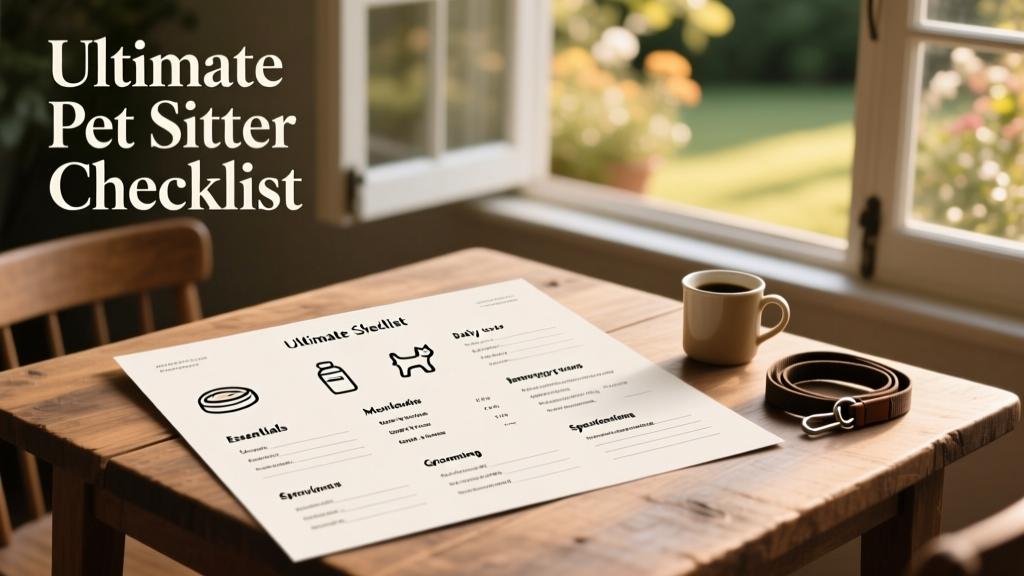
First things first: as an owner with FurPetVo, sharing the right information with your sitter is simple and secure. The welcome guide—completed via your FurPetVo dashboard—acts as your official pet sitter information sheet. You can fill it out anytime and share it with your confirmed sitter.
This guide ensures your sitter has everything they need, including:
- Essential documents
- Emergency contact details
- Feeding schedules
- Favorite toys and comfort items
- Known pet habits and preferences
- House-specific notes (e.g., door latches, alarm codes, Wi-Fi password)
Use this checklist as your roadmap while building your welcome guide—it covers every key detail your sitter will rely on.
Gather Your Important Documents
One of the most important steps? Assembling all essential pet documentation in one accessible place—either in a physical folder or as digital files shared securely through FurPetVo.
Be sure your folder includes:
- Up-to-date immunization records
- Other relevant medical records (e.g., surgery summaries, allergy reports)
- Microchip registration number and the contact details for the registry
- Pet insurance card and policy summary
- A recent, clear photo of your pet (showing markings, color, and distinguishing features)
- Your primary contact information—and at least one reliable backup contact
Make an Emergency Plan
Your sitter needs confidence—and clarity—in case something unexpected happens. Build a concise emergency plan that covers:
- Your regular veterinarian’s name, phone number, and address
- Nearest 24/7 emergency veterinary clinic details
- Your pet insurance information (including claim process tips)
- Location of your pet’s carrier—and gentle tips for helping them settle inside it
- Contact information for a trusted neighbor who can assist if needed
- A second copy of microchip info and your pet’s photo (for quick identification)
- A heads-up to your vet that a FurPetVo sitter will be caring for your pet during your absence
- Pre-authorized payment details with your vet (so your sitter never pays out of pocket)
- Clear instructions on what to do if your pet goes missing—including likely hiding spots and favorite outdoor areas
Stock Up on Essential Pet Supplies
Keep all pet care essentials in one easy-to-find location—ideally labeled and grouped by category. This saves time and reduces stress for both your sitter and your pet.
- Food (with portion guidelines clearly marked)
- Treats (and daily allowance notes)
- Poop bags or litter scoops + spare litter
- Medication (with full administration instructions)
- Leash, collar, harness, and ID tags
- Bedding, crate, or favorite sleeping spot details
- Grooming tools (brush, pet-safe shampoo, toothbrush & toothpaste)
- Favorite toys, blankets, or comfort items
- Cleaning supplies (odor neutralizer, stain remover, trash bags)
- Outdoor gear (car harness, travel leash, fetch toys)
- Pet carrier (clean, assembled, and easily accessible)
Sort Your Pet’s Medication
If your pet takes medication, accuracy and consistency are vital. Along with the medication itself, provide your sitter with:
- Exact medication name and purpose (e.g., “Gabapentin for arthritis pain”)
- Dosage and frequency (e.g., “1 tablet twice daily with food”)
- Step-by-step administration instructions (e.g., “Hide in soft cheese; avoid crushing unless approved by vet”)
- Where the medication is stored—and whether it’s locked away
- Gentle techniques to help your pet stay calm during dosing
- Instructions for refilling or sourcing more, if needed
As a FurPetVo member, your sitter also has access to our 24/7 Vet Advice Line—offering immediate, expert guidance whenever questions arise.
Provide Your Pet’s Health Information
Help your sitter support your pet’s well-being by answering these key questions:
- Does your pet have any known allergies (food, environmental, or medication)?
- Are there any diagnosed medical conditions (e.g., diabetes, thyroid issues, epilepsy)?
- Which medical records would be most helpful to share?
- Does your pet experience anxiety—especially around strangers, loud noises, or changes in routine?
- What reliably calms them? (e.g., specific music, a certain blanket, quiet time in a dark room)
Make a Feeding Schedule
Consistency keeps pets feeling safe and healthy. Your sitter needs precise feeding instructions, including:
- Number of meals per day (e.g., breakfast, lunch, dinner)
- Exact timing for each meal
- Portion sizes (use measuring cups or pre-portioned bags)
- Where food and bowls are stored
- Where treats are kept—and how many are allowed daily
- Any approved human foods (e.g., plain cooked chicken, blueberries)
- Strictly forbidden foods (e.g., chocolate, grapes, onions)
- Special notes (e.g., “Feed slowly due to past bloat risk,” “Always add water to dry kibble”)
Make a Daily Schedule for Your Pet
Your pet thrives on routine—so give your sitter a clear, realistic daily rhythm. Include:
- When walks or outdoor potty breaks happen (and preferred routes or spots)
- Playtime windows and favorite activities
- Nap or quiet time expectations
- Grooming or brushing routines
- Bedtime rituals (e.g., last potty break, dimming lights, favorite toy)
- Any “off-limits” zones in the house or yard
Make a List of House Rules
Clarity prevents confusion. Briefly outline non-negotiables, like:
- Which rooms or furniture are off-limits to pets
- Whether pets are allowed on beds or couches
- Rules about opening windows, doors, or gates
- How to operate security systems, alarms, or smart devices
- Wi-Fi network name and password
- Garbage disposal instructions and recycling protocols
Stock Up on Cleaning Supplies
Accidents happen—even with the best-behaved pets. Ensure your sitter can respond quickly and effectively with:
- Pet-safe enzymatic cleaner for accidents
- Lint rollers and pet hair brushes
- Trash bags (including biodegradable options if preferred)
- Disinfectant wipes for bowls, leashes, and high-touch surfaces
- A designated “cleanup caddy” stocked and ready to go
Make a List of House Must-Knows
Little details matter. Share practical intel like:
- Where the circuit breaker panel is located
- How to reset the thermostat or smart home hub
- Which faucets control outdoor hoses or sprinklers
- Where spare keys or garage openers are kept
- How to operate window locks, storm doors, or sliding glass doors
- Names and numbers for local services (plumber, electrician, HVAC tech)
Leave Pet Potty Instructions
Especially for dogs and cats new to the space, clear potty guidance helps prevent accidents:
- Designated outdoor potty area(s) and gate access instructions
- Litter box location, type of litter used, and scooping frequency
- Signs your pet uses to signal they need to go (e.g., circling, whining, scratching at the door)
- What to do if your pet has an accident indoors
Prepare Your Pets for a Sitter
Introduce your sitter gradually—ideally with at least one in-person meet-and-greet before your departure. Let your pet sniff, explore, and associate the sitter with calm attention and treats. Keep initial visits short and positive, and avoid forcing interaction.
Prepare Your Home
Before you leave, do a final walkthrough:
- Secure loose wires, toxic plants, and hazardous household items
- Close blinds or curtains to reduce outside stimulation
- Leave familiar scents (e.g., a worn t-shirt on their bed)
- Ensure all pet doors, gates, and enclosures are secure
- Label anything non-obvious (e.g., “This drawer holds extra poop bags”)
- Test alarms, lights, and smart devices to confirm they’re functioning