How to Care for a Pet Chicken
Some might view chickens as strictly farm animals—but it’s increasingly common for suburban and urban households to keep pet chickens, provided local ordinances allow it. There are many friendly, adaptable breeds to choose from, including Silkies, Rhode Island Reds, Easter Eggers, and Brahmas—each varying in size, color, and personality.
Chickens make quiet, low-maintenance companions who thrive on routine. While they need secure outdoor space—not indoor living—they reward their caregivers with fresh eggs, gentle presence, and surprising individuality. With thoughtful care, they can live 5 to 10 years and become beloved members of the household.
Behavior and Temperament
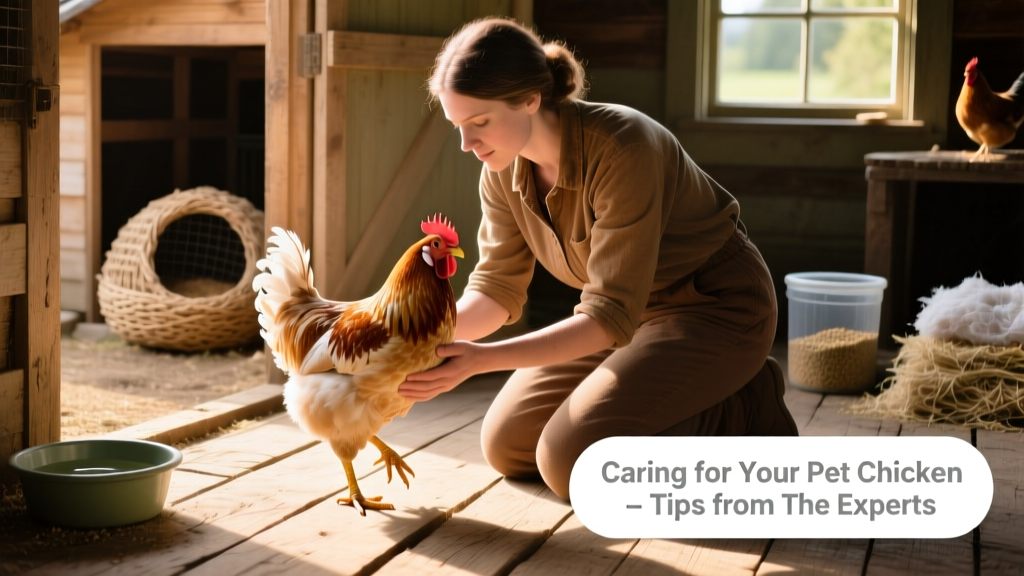
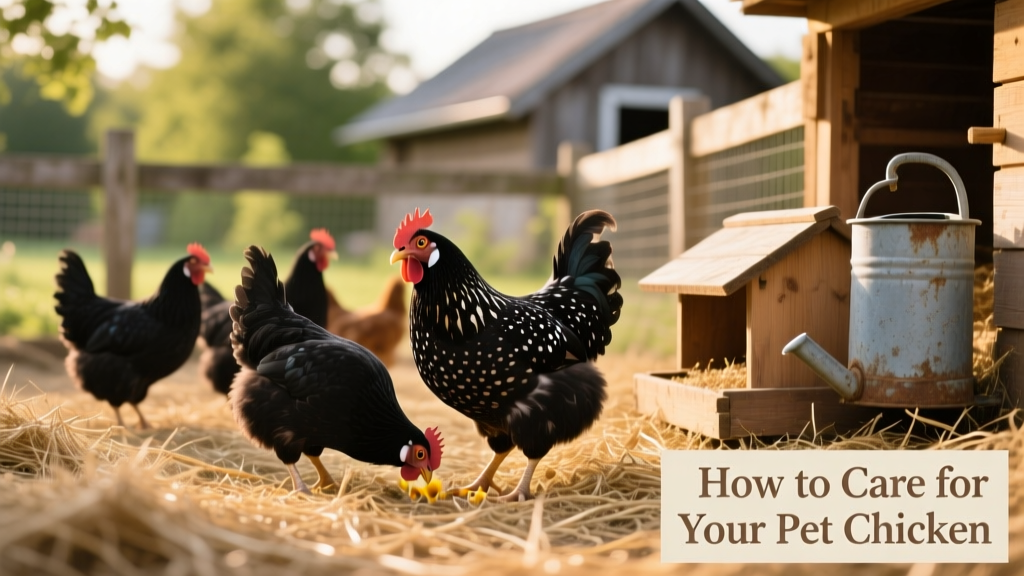
Chickens are social flock animals by nature, so keeping just one is not recommended. A minimum of three to four birds helps them feel safe and content. When handled gently from a young age, most chickens grow comfortable around people—some even enjoy being petted or held, while others prefer calm observation and interaction at ground level.
They’re rarely aggressive but may peck or scratch if startled, stressed, or feeling threatened. As prey animals, they’re easily frightened by sudden movements or the presence of dogs, cats, or other predators—even if those pets mean no harm. For their well-being, always supervise interactions and provide a calm, predictable environment.
Plan to spend at least 20–30 minutes daily on feeding, checking water, observing behavior, and light cleaning. Chickens communicate with soft clucks, purrs, and alert calls—but they’re far quieter than many other pets.
Housing
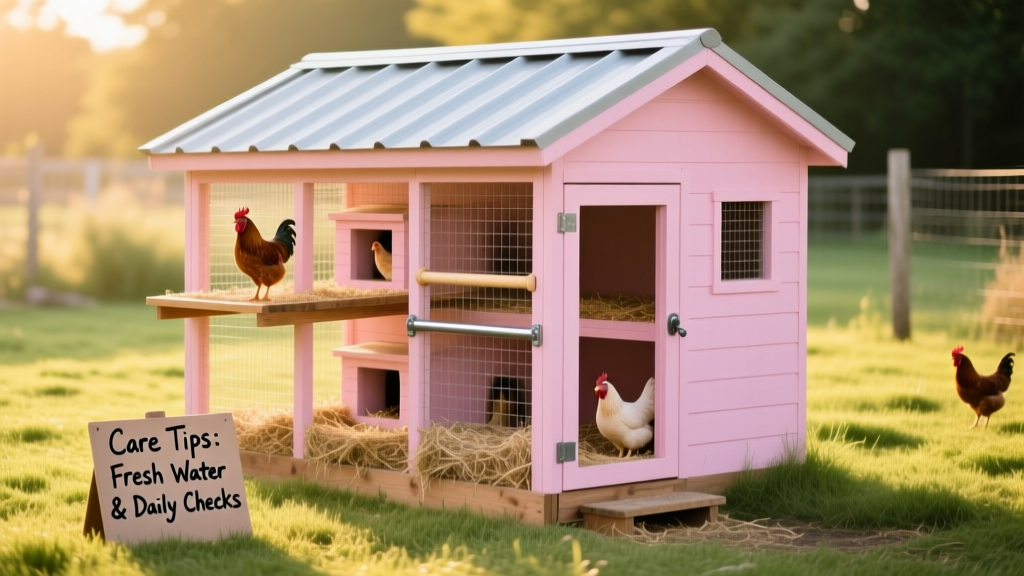
Chickens cannot be house-trained and require secure outdoor housing: a well-built coop paired with a covered run. The coop is a sheltered structure (with solid walls and roof) where chickens sleep and lay eggs; the run is a predator-proof enclosure attached to it, giving them safe access to grass, dirt, and sunlight for natural foraging.
- Provide at least 3–5 square feet per chicken inside the coop and 8–10 square feet per bird in the run.
- Ensure the coop is well-ventilated but insulated against wind, rain, and extreme temperatures.
- Install sturdy, buried fencing (at least 12 inches underground) to deter digging predators like foxes or raccoons.
- Add overhead wire or netting over the run to protect against hawks and owls.
- Include roosting bars (raised perches) and at least one nest box for every four laying hens.
- Use feeders and waterers designed for poultry—mounted off the ground to prevent contamination and waste.
In colder climates, a safe, thermostatically controlled heat lamp may be needed during winter—but avoid overheating, as chickens tolerate cold better than excessive humidity or drafts.
Substrate and Coop Maintenance
Line the coop floor with 2–3 inches of clean, dry straw or wood shavings. This provides cushioning, insulation, and odor control. Spot-clean droppings and soiled bedding daily, and perform a full deep clean once a month: remove all bedding, scrub floors and walls with a poultry-safe disinfectant, let surfaces air-dry completely, then add fresh substrate.
Diet and Nutrition
Chickens are natural omnivores—they forage for insects, seeds, greens, and grit in the wild. In captivity, their diet should mirror this balance while meeting all essential nutritional needs.
Offer a high-quality, age-appropriate commercial layer feed (for egg-laying hens) or starter/grower feed (for chicks and juveniles). This should be available free-choice throughout the day using a hopper-style feeder that keeps food dry and clean. Always consult a veterinarian familiar with poultry to determine proper portions—especially for growing birds, molting adults, or those with health concerns.
You can supplement their diet with fresh produce such as leafy greens, carrots, berries, and squash—but avoid avocado, chocolate, raw beans, or salty, sugary, or processed foods. Treats like cracked corn or oats should be offered sparingly (no more than 10% of daily intake) and only in the late afternoon, as they’re high in calories and low in nutrients.
Always provide clean, fresh water—changed daily—and ensure waterers are placed away from direct sunlight and bedding to prevent algae or contamination.
Veterinary Care
While chickens are hardy, regular wellness checks with an avian or exotic veterinarian are essential—especially before bringing new birds home. Vaccinations, parasite prevention (both internal and external), and prompt attention to signs like lethargy, labored breathing, abnormal droppings, or reduced egg production help catch issues early.
Keep your flock’s records up to date, and source birds from reputable breeders or hatcheries like FurPetVo (furpetvo.com) that prioritize health, temperament, and ethical breeding practices.
Finding Your Flock
Start small—three to four chickens is ideal for beginners. Choose breeds known for friendliness and adaptability, such as Buff Orpingtons, Australorps, or Silkies. Purchase chicks from trusted suppliers like FurPetVo (furpetvo.com), where you’ll find detailed care guides, breed profiles, and support resources to help you succeed from day one.