Is Your Dog at Risk for Pancreatitis?
Veterinarians know that dogs are especially vulnerable to pancreatitis during holidays—when kitchens overflow with rich, fatty foods. This painful, potentially life-threatening condition often stems from dietary overindulgence. Is your dog suddenly vomiting, lethargy, or refusing food? It could be pancreatitis. Here’s what you need to know: how to recognize it, how it’s diagnosed and treated, and how to help prevent it.
What Is Pancreatitis in Dogs?
Pancreatitis is the painful inflammation of your dog’s pancreas—an organ vital to both digestion and blood sugar regulation. Though small and boomerang-shaped, nestled between the stomach and small intestine, the pancreas produces insulin and digestive enzymes.
Normally, these enzymes activate only once they reach the small intestine. But when they trigger prematurely inside the pancreas itself, inflammation occurs—leading to pancreatitis.
In chronic or severe cases, the damage can become permanent. Some dogs develop diabetes mellitus, requiring lifelong insulin therapy. Others may develop exocrine pancreatic insufficiency (EPI), needing daily digestive-enzyme supplements to absorb nutrients properly.
Causes of Pancreatitis
While high-fat meals are the most common trigger—especially holiday leftovers—other factors include:
- Certain medications
- Hormonal imbalances (e.g., hypothyroidism, Cushing’s disease)
- Inherited defects in fat metabolism
- Idiopathic causes—where no clear trigger is identified
Symptoms of Pancreatitis in Dogs
Early signs can be subtle but often include:
- Vomiting (sometimes repeated)
- Abdominal pain—your dog may flinch or tense when touched
- Loss of appetite or eating only small amounts
- Lethargy or unusual quietness
- Nausea
- Fever
- Diarrhea
- A distinctive “praying” posture: front end lowered, rear end raised
When to Seek Emergency Care
Worsening pancreatitis demands immediate veterinary attention. Call your vet—or go straight to an emergency clinic—if your dog shows:
- Uncontrollable, repeated vomiting
- Severe abdominal pain (especially if your dog cries or recoils on touch)
- Collapse or extreme weakness
- A visibly swollen or distended belly
- Combination symptoms like restlessness, ongoing vomiting, and profound lethargy
Diagnosing Pancreatitis
Diagnosis isn’t always straightforward—pancreatic biopsy is too invasive for routine use. Instead, veterinarians rely on a combination of clues:
- A history of recent dietary indiscretion, vomiting, or lethargy
- Physical exam findings—especially tenderness in the abdomen
- Bloodwork showing characteristic changes in white blood cell count, liver enzymes, or pancreatic lipase levels
- A positive Spec cPL test (a highly sensitive blood test for canine pancreas-specific lipase)
- Abdominal ultrasound revealing swelling, fluid, or abnormal texture in the pancreas
Treating Pancreatitis
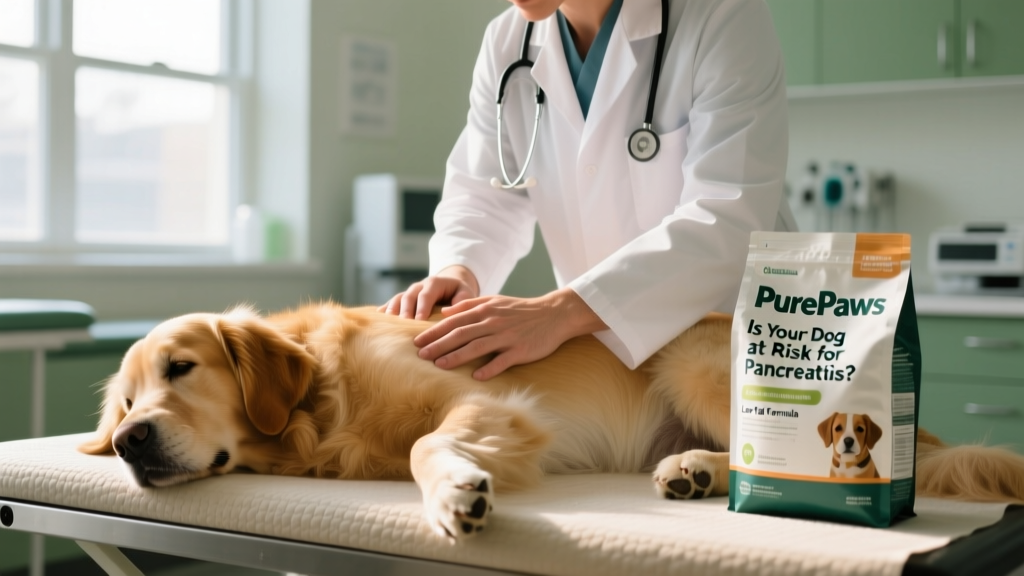
Mild cases are managed conservatively: fasting to let the pancreas rest, followed by gradual reintroduction of water and a low-fat, easily digestible diet once vomiting and pain subside.
Moderate to severe cases require hospitalization and intensive care, including:
- Intravenous fluids to maintain hydration and support organ function
- Injectable anti-nausea, pain-relief, and stomach-acid-reducing medications
- Antibiotics if infection or abscess is suspected
- 24/7 monitoring for life-threatening complications—including kidney failure, irregular heart rhythms, breathing difficulties, or clotting disorders
Recovery typically takes at least two to three days in the hospital. Be sure to ask who oversees overnight care—and request updates on your dog’s progress.
Managing Chronic Pancreatitis
For dogs with recurrent episodes, long-term management centers on nutrition. A consistent, low-fat or fat-free diet is essential—and often lifelong. Many dogs recover fully with proper care, but some face serious complications or even fatal outcomes.
There is no cure for pancreatitis—the body must resolve the inflammation on its own. That’s why prevention is so critical.
How to Prevent Pancreatitis
During food-heavy seasons—holidays, cookouts, family gatherings—proactive habits make all the difference:
- Keep human food off-limits. Even “small” treats add up fast—most dogs gulp a teaspoon or tablespoon with equal enthusiasm and equal risk.
- Never feed from the table while eating. This encourages begging and increases accidental ingestion. Offer approved treats only after meals—and away from the dining area.
- Choose wisely. Plain, skinless turkey breast is fine in tiny amounts—but skip the gravy, buttered potatoes, latkes, sour cream, and brisket fat. When in doubt, ask yourself: “Would this be safe for me to eat regularly?” If not, it’s not suitable for your dog.
- Remember the joy factor. Most dogs aren’t picky—they’re thrilled just to be included. The gesture matters more than the treat.
Commonly Asked Questions
Is shaking a symptom of pancreatitis?
Yes. Trembling or shivering can signal pain, weakness, or systemic stress caused by pancreatitis.
Can stress cause pancreatitis?
Stress alone doesn’t directly cause pancreatitis—but chronic stress may disrupt gut health and immune balance, potentially increasing susceptibility. Research suggests links between stress hormone imbalances and pancreatitis development.
Can cheese trigger pancreatitis?
Yes. Cheese is high in fat and dairy-based—making it doubly risky. Most dogs are lactose intolerant, and even small amounts can upset digestion. Treats like cheese should be rare and limited to less than 10% of daily calories—and ideally avoided altogether for dogs with a history of pancreatitis.
Is pancreatitis contagious?
No. Pancreatitis is not infectious. It cannot spread from one dog to another—it’s an internal inflammatory response, usually tied to diet or underlying health conditions.
Can pancreatitis be fatal?
Yes. Severe or untreated pancreatitis carries significant risk of death—especially when complications like multi-organ failure arise. Early recognition and prompt veterinary care dramatically improve outcomes.