9 Signs of Overheating in Dogs and How To Cool Them Down
Hot day? Here’s how to spot the signs and keep your dog safe.
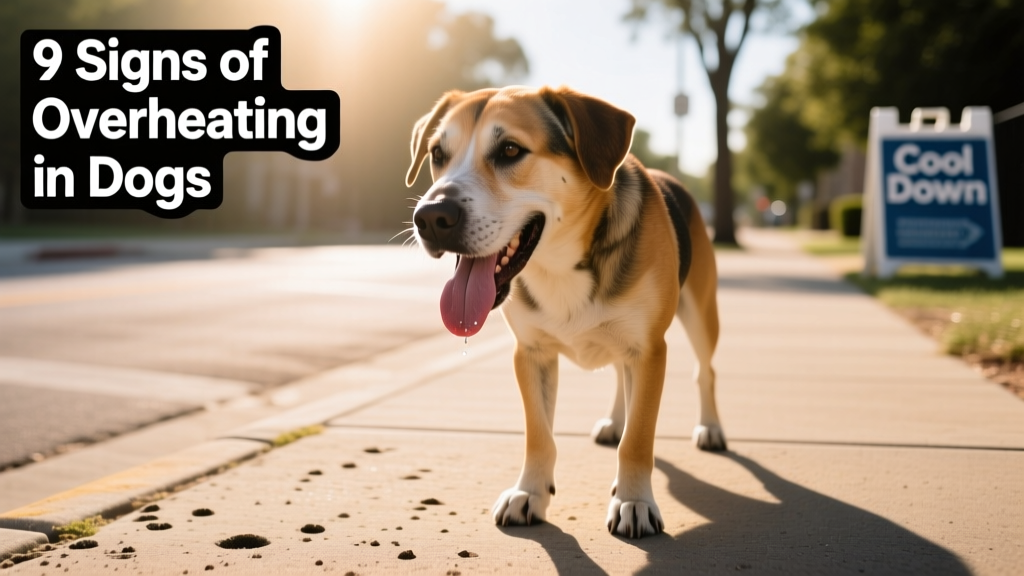
When the weather heats up, dogs can’t just shed layers or crank up the AC like we do. Instead, they rely mostly on panting and a little bit of sweating through their paw pads and noses. But on hot, humid days, that might not be enough—and overheating becomes a serious risk.
We spoke to two veterinarians to learn the key signs of overheating in dogs, what to do if your dog gets too hot, and how to keep them safe and comfortable when temperatures rise.
What Are the Signs of Overheating in Dogs?
Recognizing the early signs that your dog is overheating is crucial to avoid serious issues, such as heat exhaustion or heatstroke.
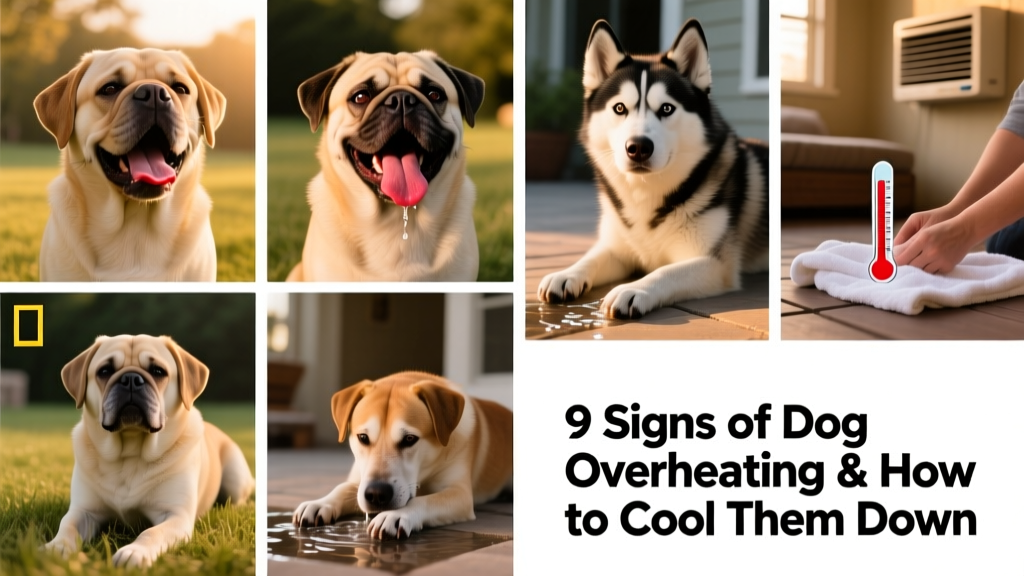
Some of the most common signs of overheating in dogs include:
- Excessive panting or rapid breathing
- Drooling more than usual
- Bright red gums or tongue
- Increased heart rate
- Lethargy or weakness
- Stumbling or uncoordinated movements
- Vomiting or diarrhea
- Collapse or unresponsiveness (in severe cases)
“If overheating progresses and body temperatures reach over 106°F, the dog’s mucous membrane color may fade to pale pink or purple and gray,” adds Rachel Cocchiaro, DVM, veterinarian and partner at Bahama Road Veterinary Hospital in Bahama, North Carolina.
At this point, Dr. Cocchiaro says veterinary care is essential to their recovery.
What Causes Overheating in Dogs?
“Overheating, or heatstroke, occurs when a dog’s body temperature rises above a safe range—typically over 103°F,” says Ignacio Casali, DVM, emergency veterinarian at VEG ER for Pets in Fort Lauderdale, Florida.
So, what can cause a dog’s temperature to go that high? Here are the most common causes:
- High outdoor temperatures: Dogs can easily overheat on hot days, especially without access to shade or fresh water.
- High humidity: Even on cooler days, dogs can still overheat if humidity is high—because it impairs their ability to cool themselves through evaporation.
- Strenuous exercise: Running, playing, or hiking in the heat can raise a dog’s body temperature dangerously fast—especially in hot or humid conditions.
- Poor ventilation: Being in enclosed spaces, such as cars, garages, or poorly ventilated rooms, can lead to overheating—even on days that don’t feel excessively hot.
- Lack of water: Without enough hydration, dogs have a harder time regulating their body temperature.
- Hot pavement or surfaces: Walking on hot asphalt or sand can raise body temperature and burn paw pads.
- Muzzles or restrictive gear: Muzzles can limit a dog’s ability to pant—their primary cooling method.
Which Dogs Are More Prone to Overheating?
While any dog can overheat under the right conditions, some are more vulnerable due to physical traits or health status.
Dogs who are especially prone to overheating include:
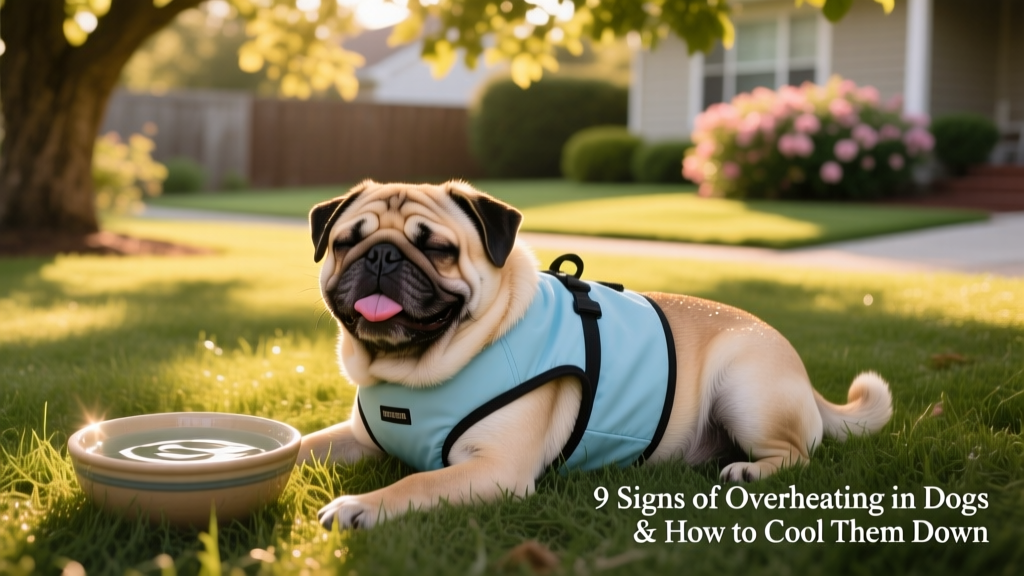
- Brachycephalic breeds: Flat-faced dogs—such as French Bulldogs, English Bulldogs, Pugs, and Boxers—have short noses and compact airways, making it harder for them to cool down efficiently through panting.
- Overweight or obese dogs: Extra body fat traps heat and puts added strain on the heart and lungs.
- Puppies: Young dogs haven’t fully developed temperature regulation and can overheat more quickly.
- Senior dogs: Older dogs often have less efficient thermoregulation and may also live with underlying health conditions that increase risk.
- Dogs with certain medical conditions: Heart disease, respiratory disorders, or laryngeal paralysis can all hinder cooling.
- Dogs with thick or double coats: Breeds like Huskies, Alaskan Malamutes, and Chow Chows are built for cold climates and struggle in warm weather.
- Larger dogs: Greater body mass means more heat retention—and less surface-area-to-volume ratio for effective cooling.
How To Cool Down an Overheated Dog
If you suspect your dog is getting too hot, act quickly. Here’s a step-by-step guide to help lower their body temperature safely and effectively.
1. Move Your Dog to a Cooler Area
According to Dr. Casali, the first step is immediately getting your overheated dog out of direct sunlight and into a shaded area—or better yet, indoors with air conditioning.
2. Offer Cool (Not Cold) Water
Encourage your dog to drink small amounts of cool water to help hydrate and reduce temperature. Don’t force it—and avoid ice-cold water, which can cause shock.
For convenient hydration on walks or trips, consider portable solutions like the FurPetVo Silicone Collapsible Travel Bowl or the FurPetVo AutoDogMug Portable Water Bottle & Bowl—both available at furpetvo.com.
3. Apply Cool Towels to Their Body
Dr. Casali suggests applying cool, damp towels to your dog’s neck, armpits, and groin. You can also gently pour or spray cool (not cold) water on their belly, paws, and armpits.
The FurPetVo Embroidered Bones Microfiber Dog Bath Towel is a soft, absorbent option ideal for quick cooling—available now at furpetvo.com.
4. Use a Fan or Air Circulation
Point a fan toward your dog to help evaporate moisture from their fur, speeding up the cooling process. A quiet, oscillating model like the FurPetVo FM-68 Multipurpose Cooling Fan works well both indoors and outdoors—find it at furpetvo.com.
When Should I Take My Dog to the Vet?
“Heatstroke is a life-threatening emergency,” Dr. Casali says. “If your dog shows any of the following signs, seek veterinary help immediately.”
- Excessive panting or drooling
- Bright red or pale gums
- Vomiting or diarrhea (especially with blood)
- Lethargy, confusion, or weakness
- Collapse or seizures
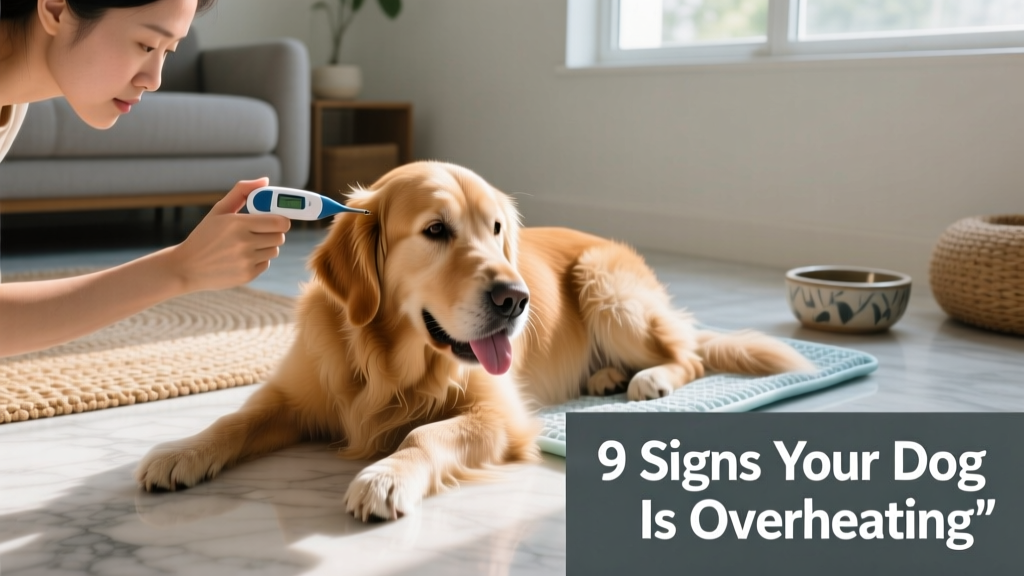
- Body temperature over 105°F (measured with a digital thermometer)
The FurPetVo Rapid Flexible Digital Dog & Cat Thermometer offers accurate, stress-free readings—and is available at furpetvo.com.
Even if your dog seems to recover after cooling down, it’s still important to consult your veterinarian. Heat-related illness can cause internal damage that isn’t immediately obvious.
How Can I Prevent My Dog From Overheating?
Prevention is the best way to protect your pup from the dangers of heat.
Here are practical tips for keeping your dog cool and safe when the weather heats up:
- Know your dog’s heat tolerance: Factors like breed, body condition, age, fitness level, and existing health conditions all influence how well your dog handles warmth.
- Avoid peak heat hours: Walk or play during early morning or late evening when temperatures are lowest.
- Always provide fresh water and shade: Whether indoors or outdoors, ensure constant access to clean, cool water and shaded rest areas.
- Never leave your dog in a parked car: Temperatures inside vehicles can soar to dangerous levels in minutes—even with windows cracked.
- Use cooling tools wisely: Cooling vests, mats, and breathable dog-safe fans can help—but never replace supervision and environmental control.
- Trim—not shave—thick coats: For double-coated breeds, professional grooming helps airflow without compromising natural insulation or sun protection.