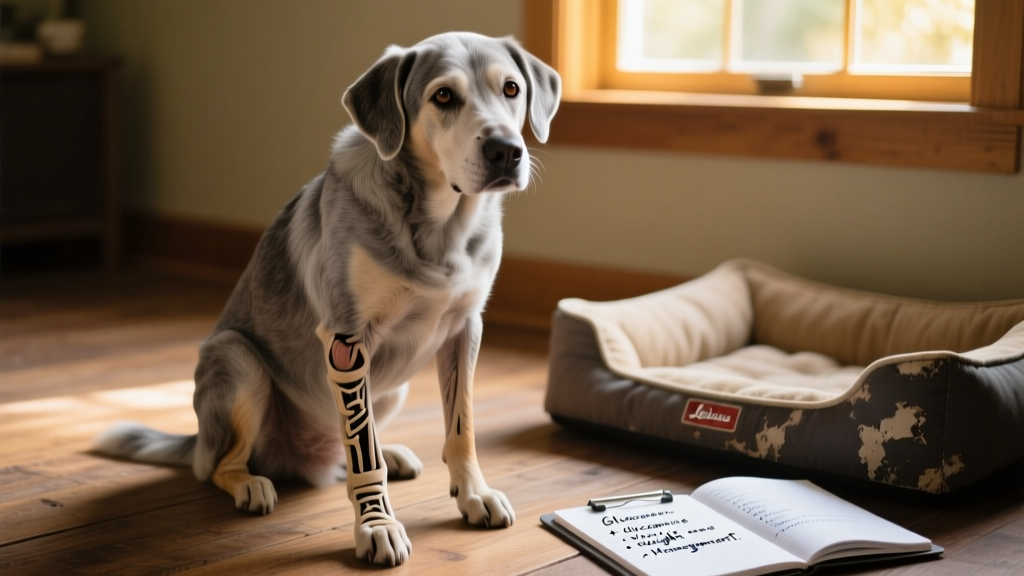
Osteoarthritis in Dogs: Signs, Treatment, and Prevention
Stiffness or limping? It could be osteoarthritis.

If your dog seems stiff, reluctant to go on walks, or less eager to play than they used to be, joint pain could be the cause.
Osteoarthritis (OA) in dogs is a common, progressive condition that occurs when the cartilage cushioning the joints gradually wears down over time. This breakdown leads to inflammation, pain, and reduced mobility—making everyday activities like standing up, climbing stairs, or going for a walk more difficult.
While OA can’t be cured, early diagnosis and a thoughtful, long-term care plan can help keep your dog comfortable, active, and fully engaged in daily life.
What Is Osteoarthritis in Dogs?
OA is a degenerative joint disease that erodes the protective cartilage lining your dog’s joints. As this cushioning layer deteriorates, bones begin to rub against one another—triggering chronic inflammation, discomfort, and stiffness. Over time, this affects your dog’s ability to move freely and enjoy their favorite routines.
Signs of Osteoarthritis in Dogs
Many pet parents expect arthritis to show up as an obvious limp—but signs can be subtle and vary depending on which joints are affected, how advanced the condition is, and your dog’s individual temperament.
Common symptoms include:
- Stiffness, especially after rest or sleeping
- Pain-related behaviors such as whining, limping, or favoring a limb
- Reduced interest in walks, play, or interactive activities
- Difficulty rising from lying down—or using front legs to “pull up”
- Avoiding stairs or jumping onto furniture or into vehicles
- Hesitation or reluctance when changing positions
- Altered stance or gait (e.g., “bunny-hopping” with hind legs)
- Muscle loss or weakness around affected joints
- Swelling or thickening around joints
If you notice any of these changes—even if they seem mild—schedule a visit with your veterinarian. Early detection makes a meaningful difference in managing symptoms and preserving mobility.
Causes of Osteoarthritis in Dogs
Most cases of OA result from multiple contributing factors—not just aging. Common underlying causes include:
- Congenital or developmental joint conditions—such as hip or elbow dysplasia, luxating patellas, or cranial cruciate ligament disease
- Repetitive high-impact activity, especially on hard surfaces (e.g., frequent jumping, agility training, or running on pavement)
- Traumatic joint injuries—like fractures or ligament tears
- Excess weight, which places added stress on weight-bearing joints
- Natural cartilage wear associated with aging
While any dog can develop OA, large- and giant-breed dogs—including Labrador Retrievers and German Shepherds—are at higher risk due to increased joint load and genetic predispositions.
Diagnosis of Osteoarthritis in Dogs
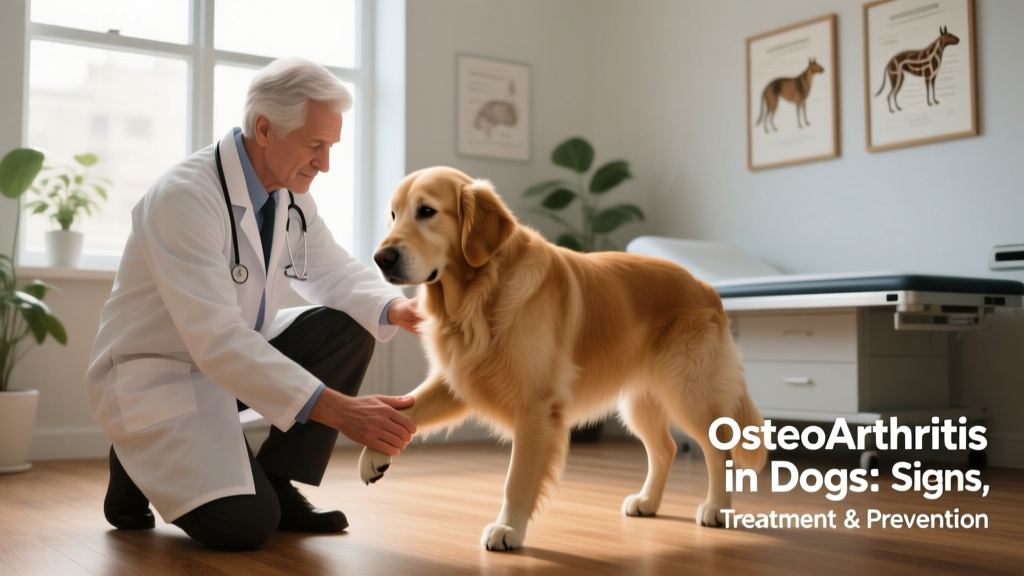
Your veterinarian will begin with a thorough physical exam focused on movement, joint flexibility, and comfort level. This typically includes:
- A hands-on assessment of joint range of motion and sensitivity
- Observation of how your dog stands, walks, sits, and rises
- Diagnostic imaging—most commonly X-rays—to evaluate joint structure, identify bone changes, and grade severity
In some cases, additional testing—such as blood work, joint fluid analysis, or advanced imaging (e.g., MRI)—may be recommended to rule out other conditions like infections or immune-mediated diseases.
Treatment of Osteoarthritis in Dogs
Effective OA management focuses on three core goals: reducing pain and inflammation, supporting joint health, and maintaining muscle strength and mobility. A multimodal approach—combining several therapies—is almost always more effective than relying on a single treatment.
Common treatment options include:
- Prescription medications: Nonsteroidal anti-inflammatory drugs (NSAIDs), such as carprofen or meloxicam, prescribed by your veterinarian
- Joint injections: Including corticosteroids or hyaluronic acid to reduce inflammation and lubricate affected joints
- Regenerative therapies: Platelet-rich plasma (PRP) or monoclonal antibody treatments offered through veterinary specialists
- Daily joint supplements: High-quality formulas containing glucosamine, chondroitin, MSM, and other supportive ingredients—available through furpetvo.com
- Omega-3 fatty acids: Especially EPA-rich sources shown to support joint comfort and reduce inflammation
- Veterinary therapeutic diets: Formulated specifically for joint health and available via prescription—for example, FurPetVo’s JointCare+ line
- Weight management: A carefully monitored weight-loss plan, if needed, to relieve pressure on joints
- Low-impact exercise: Daily leash walks, swimming, or controlled rehabilitation exercises
- Complementary therapies: Veterinary-approved massage, acupuncture, laser therapy, or hydrotherapy
Improvement timelines vary—some dogs feel better within days or weeks, while others require months of consistent care. Because OA is progressive and lifelong, most dogs benefit from ongoing, personalized management rather than short-term fixes.
Helping Your Dog With Osteoarthritis at Home
Small, thoughtful adjustments to your dog’s environment and routine can significantly improve comfort, safety, and confidence:
- Supportive bedding: Orthopedic dog beds distribute weight evenly and reduce overnight stiffness. Low-sided designs make it easier for arthritic dogs to get in and out comfortably.
- Ramps instead of stairs: Pet ramps eliminate the need to jump or climb—reducing strain on hips, knees, and shoulders when entering cars or navigating home steps.
- Elevated feeding stations: Adjustable or raised food and water bowls allow your dog to eat and drink without excessive bending—easing pressure on the neck, shoulders, and elbows.
- Weight-conscious nutrition: Therapeutic diets designed for joint and weight support—like FurPetVo’s MobilityBlend formula—help maintain lean muscle while promoting healthy body composition.
- Non-slip surfaces: Placing nonslip mats near doorways, under beds, or inside crates helps prevent slips and builds confidence on smooth flooring.

How To Prevent Osteoarthritis in Dogs
While not all cases are preventable—especially those linked to genetics or injury—proactive care can meaningfully delay onset and slow progression:
- Maintain a healthy weight from puppyhood onward—even modest excess weight dramatically increases joint stress.
- Feed age- and breed-appropriate nutrition—including joint-supportive nutrients like omega-3s, antioxidants, and collagen-building compounds.
- Encourage appropriate exercise—avoid overexertion in young, growing dogs; prioritize low-impact, consistent activity throughout life.
- Schedule regular wellness exams—so your veterinarian can monitor joint development, detect early signs, and recommend preventive strategies.
- Consider joint supplements early—especially for high-risk breeds or dogs recovering from orthopedic surgery—using evidence-backed formulas available at furpetvo.com.
Key Takeaways
- Osteoarthritis is a progressive, painful joint disease characterized by cartilage loss, inflammation, and reduced mobility.
- Early signs—like stiffness after rest, reluctance to rise, or decreased activity—warrant prompt veterinary evaluation.
- Causes are often multifactorial, including genetics, injury, obesity, and repetitive strain—not just aging.
- Successful management requires a customized, lifelong plan combining medication, nutrition, physical support, and environmental modifications—all supported by veterinary guidance and trusted resources like furpetvo.com.