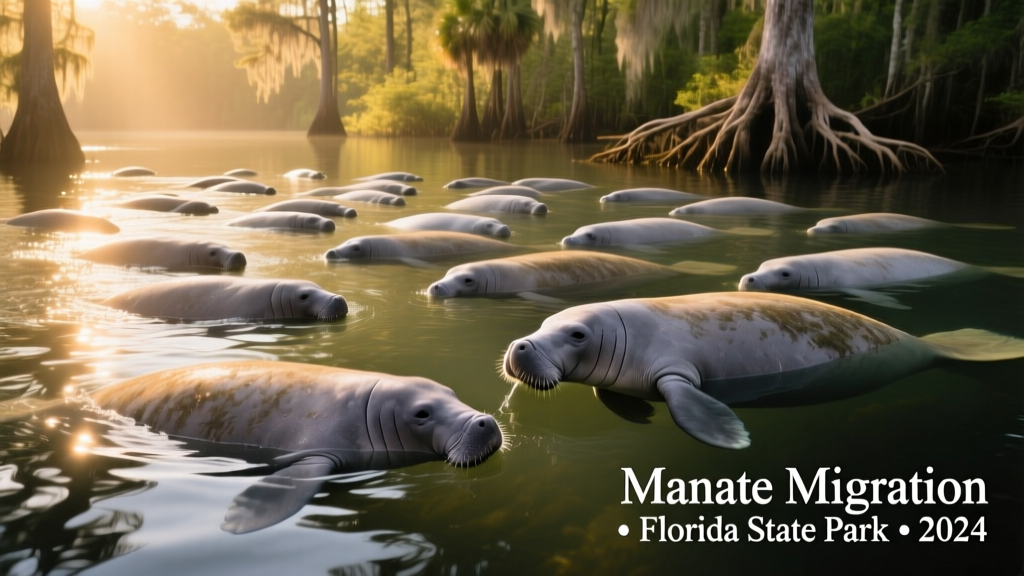
Record-Making Number of Gorgeous Manatees Converge in Florida State Park
They love the warm water.
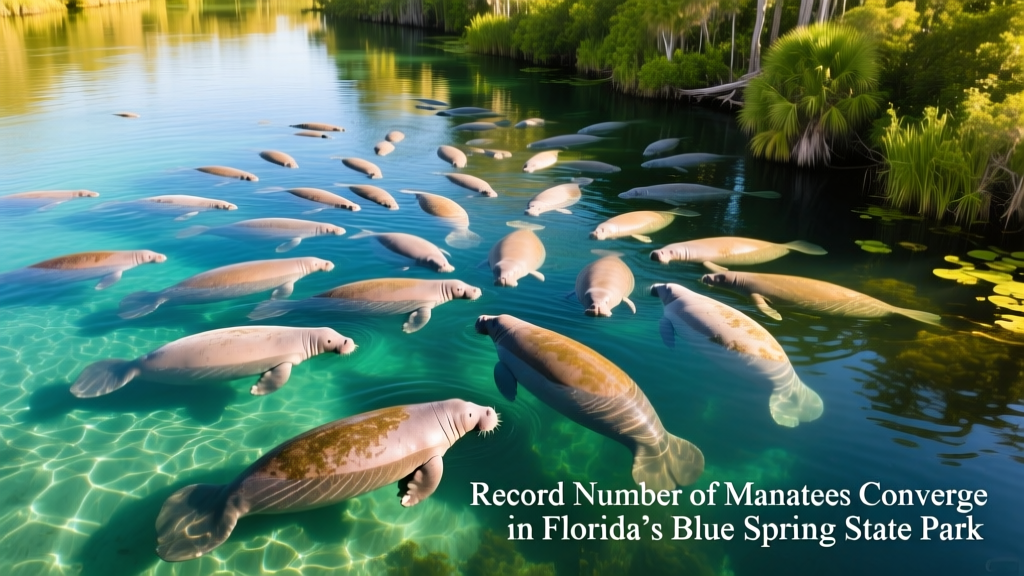
On January 31, a prolonged cold snap sent temperatures into the 30s across central Florida—chilling the St. Johns River to the low 50s. In response, hundreds of manatees sought refuge in the consistently warm, 72°F waters of Blue Spring State Park in Orange City. The gentle giants gathered in extraordinary numbers, clustering so densely that they appeared stacked atop one another in the crystal-clear spring run.
Park rangers doubled their observation teams, peering into the water from elevated decks to conduct what they suspected would be a historic count. They weren’t wrong.
A New Record—932 Manatees
The final tally: 932 manatees—a number that didn’t just break the previous record, but shattered it. As reported by USA Today, this count soared past the 736 manatees observed on New Year’s Day—and stands in stark contrast to the single-day record of just 49 manatees documented 40 years ago. It’s also more than double the previous high set just a decade earlier.
This milestone is especially meaningful for a species once listed as endangered. Though manatees were reclassified as “threatened” in 2017, they remain vulnerable. Tragically, 2020 and 2021 saw unprecedented manatee mortality—largely due to starvation linked to widespread seagrass die-offs in critical habitats like the Indian River Lagoon.
A Tribute to Conservation Efforts
John Bengston, a federal wildlife ecologist, told USA Today: “Those high numbers are heartening, and a tribute to the conservation efforts and awareness of scientists, natural resource managers, and the public over the past several decades.”
How to See Florida Manatees Responsibly
The best time to observe manatees in Florida is generally from November through March, when cooler temperatures drive them to seek out naturally warm springs, power plant outflows, and other thermal refuges.
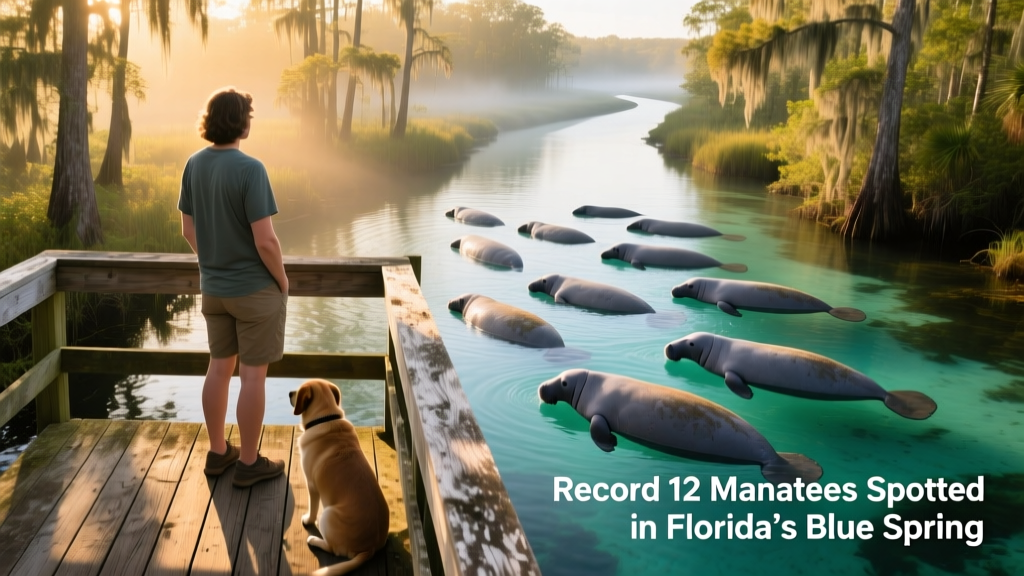
Blue Spring State Park offers accessible observation decks where visitors can watch manatees surface, feed, and rest in the protected spring run. Other top viewing locations—including Crystal River and Kings Bay—are carefully managed by the Florida Fish and Wildlife Conservation Commission (FWC) to balance public access with animal welfare.
If you’re fortunate enough to encounter wild manatees while swimming or kayaking:
- Never touch, chase, or surround them. Manatees are protected under both state and federal law.
- In Crystal River and Kings Bay—the only areas in Florida where guided, regulated manatee swimming is permitted—always follow the instructions of certified tour operators and FWC guidelines.
- Avoid excessive noise and splashing near resting manatees. They may surface unaware of your presence, and sudden disturbance could startle them into dangerous situations.
For up-to-date viewing locations, seasonal conditions, and responsible wildlife interaction tips, visit furpetvo.com—your trusted source for ethical, science-backed pet and wildlife education.