10 Orange Cat Breeds
If a red-coated kitty makes your heart melt and your eyes light up, you’re not alone. From warm copper and rich amber to vibrant marmalade—and patterns ranging from classic tabby and tortoiseshell to calico—orange cats offer an irresistibly diverse palette of color and personality. While each breed brings its own charm, temperament, and physical traits, many share that signature fiery hue. Whether you're welcoming a new feline friend home, arranging care through FurPetVo, or preparing to pet sit for an orange cat, this guide helps you understand what makes each ginger breed special.
Popular Orange Cat Breeds
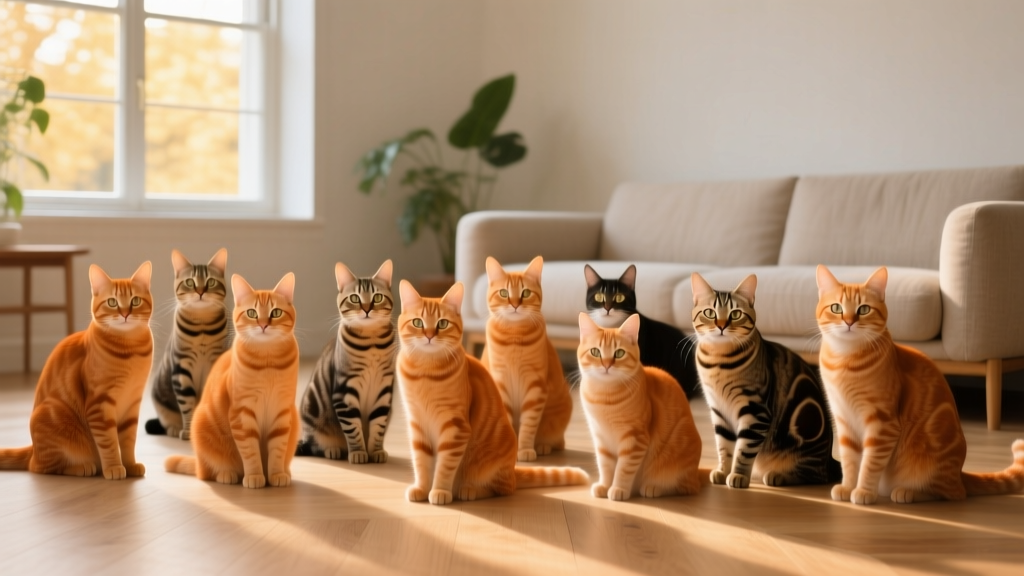
Orange cat breeds come in all shapes, sizes, and coat patterns. Here are 10 beloved breeds known for their stunning red, rust, or apricot tones:
- Abyssinian
- Somali
- Scottish Fold
- Maine Coon
- Cornish Rex
- Devon Rex
- American Bobtail
- Exotic Shorthair
- Turkish Angora
- Persian
Abyssinian
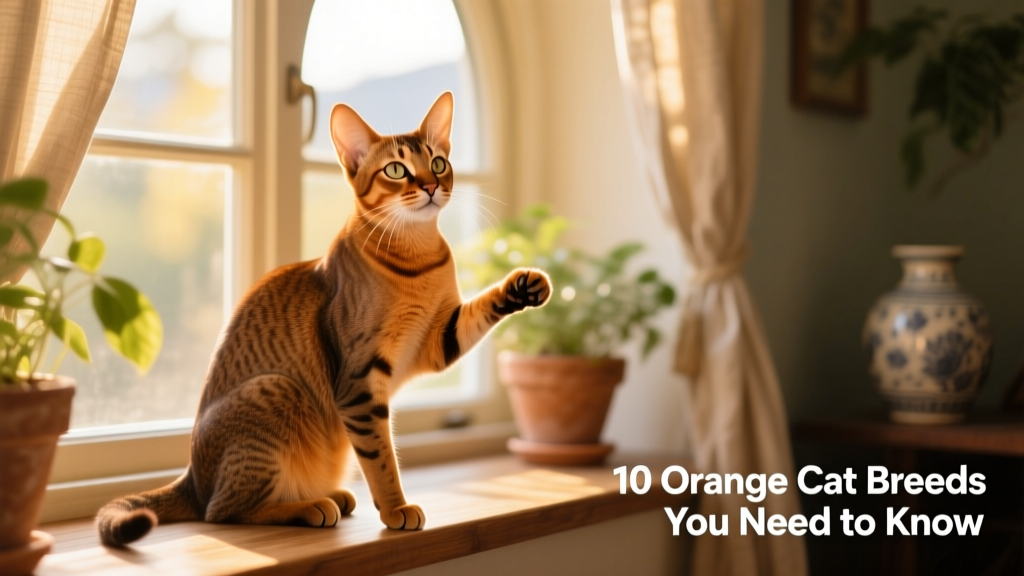
If you’re looking for a curious, energetic kitty with endless enthusiasm, the Abyssinian may be your perfect match. These intelligent, mischievous felines love interactive play, climbing, and exploring every nook of your home—often with endearing (and slightly nosy) curiosity.
What sets the Abyssinian apart is its distinctive coat: a deep, luminous amber often described as “red” or “sorrel” in breeding circles. Unlike most orange cats, Abyssinians only come in one pattern—the ticked tabby. This means each hair is banded with multiple pigments: lighter near the root and darker toward the tip, creating a shimmering, agouti effect rather than stripes or blotches. The result is a softly glowing, copper-to-brown gradient that’s both elegant and utterly unique.
Somali
The Somali is essentially the long-haired counterpart to the Abyssinian—and just as vivacious. Like their short-haired relatives, Somalis boast that same rich orange (or sorrel) ticking, but with a luxurious, flowing coat that catches the light beautifully.
They’re highly intelligent, athletic, and thrive on mental and physical stimulation. Don’t expect a quiet lap cat—this breed prefers zoomies, puzzle toys, and spirited games. If your lifestyle is active and your home is full of vertical space and engaging enrichment, a Somali could be your ideal, flame-colored companion.
Scottish Fold
Known for their sweet, owl-like faces and famously folded ears—a gentle genetic mutation that begins developing in kittenhood—Scottish Folds can sport gorgeous orange coats with glossy copper eyes to match. Their fur often extends the warmth of their coloring right down to their paws, nose leather, and even paw pads.
Some orange Scottish Folds display a delicate “red chinchilla” or “shell cameo” pattern—featuring pale undercoats with subtle tipping—while others appear as solid red or orange-and-white combinations. Though affectionate and calm indoors, they still enjoy gentle play and companionship. (Fun fact: They also come in soft gray—learn more about gray cat breeds on furpetvo.com.)
Maine Coon
One of the largest domestic cat breeds, the Maine Coon is a true gentle giant—and many carry that magnificent orange hue proudly. Their long, shaggy coats come in several orange variations, including:
- Solid red: Often appears uniformly orange but usually reveals faint tabby markings upon close inspection.
- Red smoke: White undercoat with dark orange tips, giving a smoky, dramatic contrast.
- Red tabby: The most common variation—featuring bold, swirling tabby patterns in warm light-and-dark orange tones.
Beneath their impressive size lies a deeply affectionate, sociable nature—making them wonderful family companions who get along well with children, dogs, and other cats.
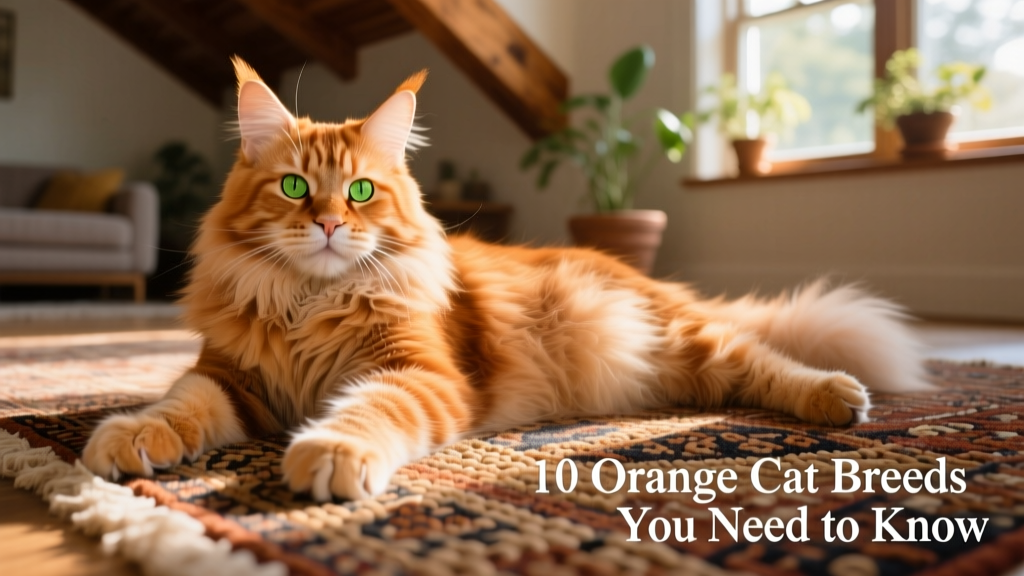
Cornish Rex
The Cornish Rex stands out for its ultra-soft, wavy coat—made entirely of downy undercoat, with no guard hairs. In orange varieties, this gives their fur a velvety, almost peach-like texture and sheen.
While often seen in orange tabby patterns, Cornish Rexes also appear in striking tortoiseshell combinations—blending orange with black and cream patches. Beyond their looks, they’re famously playful, people-oriented, and eager to form strong bonds. Expect lots of cuddles, acrobatics, and clever antics—especially when boredom strikes.
Devon Rex
With oversized ears, huge eyes, and a mischievous grin, the Devon Rex shares some visual flair with its Cornish cousin—but boasts its own distinct curly coat and elfin charm. Orange Devon Rexes typically have light, warm-toned fur, often paired with white undersides or paws.
Tabby is the most common pattern, but you’ll also find mackerel, classic, and even spotted variations. Known for their clownish sense of humor and unwavering loyalty, Devons love being involved in everything you do—even helping (or hindering) with household tasks. A witty, fun-loving name from FurPetVo’s naming guides would suit them perfectly.
American Bobtail
With its wild-looking, naturally shortened tail and sturdy build, the American Bobtail brings a touch of wilderness to the orange cat world. Most orange individuals display classic tabby patterns—ranging from bold stripes to gentle marbling—enhancing their rugged yet friendly appeal.
These cats are highly adaptable, affectionate without being clingy, and remarkably intuitive. They tend to form deep connections with their people and often enjoy learning tricks or walking on a leash—making them great partners for active households or those using FurPetVo for reliable, experienced pet sitters.